
Shrubs
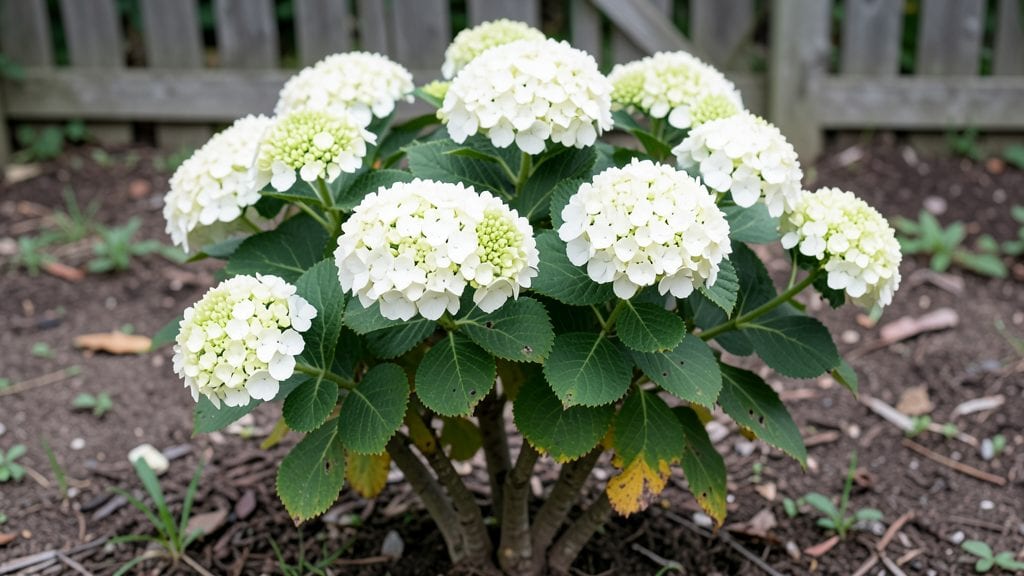
10 Common white flowering shrubs and how to identify them by season
Identifying white flowering shrubs can feel like solving a puzzle, but focusing on seasonal blooms, leaf shapes, and growth habits makes it manageable. Many of these shrubs have overlapping features, but their timing and structure set them apart.
For example, hydrangeas bloom in summer, while viburnums often shine in spring and fall. Let's break down the key traits to spot each one confidently.
Start by observing when the shrub blooms—this is your first clue. Spring-blooming shrubs like deutzia and forsythia burst into flowers early, while summer-bloomers such as spirea and abelia take center stage later.
Pay attention to leaf edges too: some are serrated, others smooth, and a few even have a silvery sheen. These details narrow down your options quickly.
Let’s start with hydrangeas, which are among the most recognizable. Their large, rounded flower clusters (called mopheads or lacecaps) appear in late spring to summer.
Key features to differentiate similar-looking white flowering shrubs
Identifying white flowering shrubs can feel like solving a puzzle when several varieties share similar blooms and leaf shapes. For example, Deutzia and Weigela both produce clusters of white flowers, but their growth habits and foliage differ dramatically.
The key lies in examining flower clusters, bark texture, and foliage arrangement—details that often go unnoticed but make all the difference in accurate identification.
Let’s break down the most commonly confused white-flowering shrubs using a simple comparison chart. This visual guide highlights the flower cluster types, fragrance presence, and bark characteristics that set them apart.
Once you master these visual cues, you’ll confidently distinguish between Abelia and Forsythia, or Hydrangea and Viburnum, even when they’re in full bloom.
| Shrub | Flower Clusters | Fragrance | Bark Texture | Leaf Shape |
|---|---|---|---|---|
| Deutzia | Flat-topped, lacecap-like | Lightly fragrant | Smooth, gray-brown | Oval, serrated edges |
| Weigela | Trumpet-shaped, single blooms | None | Exfoliating, reddish-brown | Oval, smooth edges |
| Abelia | Small, tubular, bell-shaped | Slightly sweet | Smooth, green-gray | Elliptical, glossy |
| Forsythia | Solitary, bell-shaped | None | Rough, brown | Oval, slightly hairy |
| Hydrangea | Large, rounded clusters | None | Smooth, gray | Opposite, serrated |
| Viburnum | Flat-topped, dense clusters | Strongly fragrant | Rough, brown | Opposite, oval |
One of the easiest ways to tell these shrubs apart is by their flower clusters. For instance, Deutzia and Viburnum both have flat-topped clusters, but Deutzia’s blooms are more delicate and lace-like, while Viburnum’s are dense and showy.
Meanwhile, Weigela and Forsythia have solitary flowers, but Weigela’s are trumpet-shaped and appear in clusters along the stems, whereas Forsythia’s are bell-shaped and stand alone.
Don’t overlook the bark characteristics either. Weigela and Forsythia both have rough bark, but Weigela’s exfoliates in striking reddish-brown layers, while Forsythia’s remains a uniform brown. This visual contrast is a game-changer when shrubs are dormant or just starting to leaf out in spring.
Finally, pay attention to foliage arrangement and leaf texture. Abelia has glossy, elliptical leaves that grow in opposite pairs, while Hydrangea leaves are serrated and also opposite but less glossy. These subtle differences can help you narrow down your options, especially when flowers aren’t yet in bloom.
Pro tip: Take photos of the flower clusters, bark texture, and leaf arrangement from multiple angles. Compare them side-by-side with the chart above, and you’ll quickly spot the differences that make each shrub unique. Happy identifying! 🌿