
Transplanting
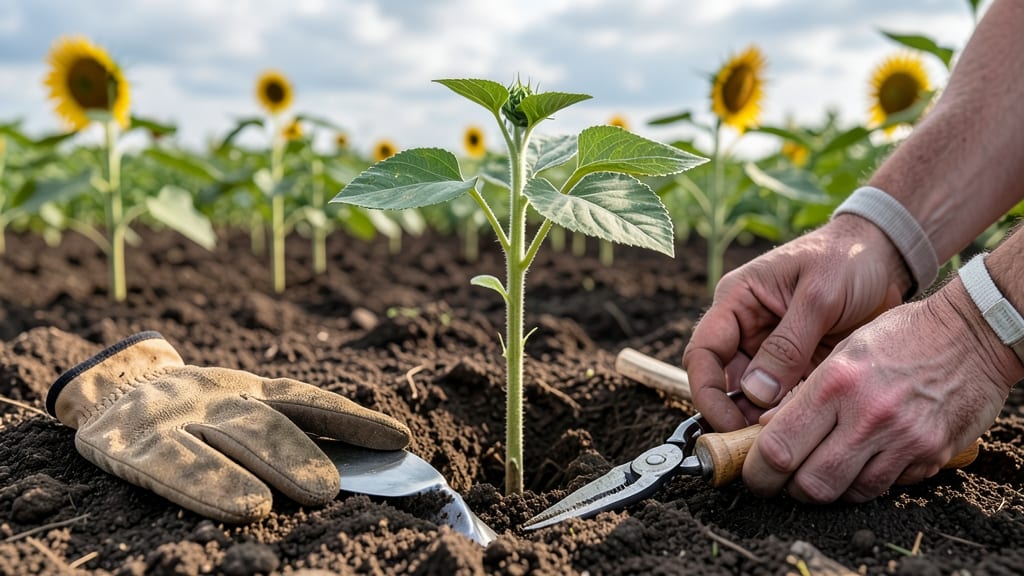
Thinning sunflower seedlings at the right time ensures strong, towering stems and vibrant blooms 🌻 — and the key is watching for those first true leaves.
Struggling to decide when to thin sunflower seedlings can mean the difference between towering, healthy blooms and weak, crowded stalks that never reach their full potential. Too early, and you risk stunting growth; too late, and you’re left with a jungle of competing plants.
Most gardeners wait until seedlings have 2-4 true leaves, but timing shifts with your zone and weather. In Zone 6a, aim for early May when soil warms and sprouts are sturdy enough to handle thinning without shock.
Below, I’ll walk you through the exact leaf stages to watch for, the best tools for the job, and how to space them for maximum sunlight—so your sunflowers grow bold and proud all summer long.
3 Critical leaf stages for thinning sunflower seedlings
Thinning sunflower seedlings at the right time ensures your plants grow strong and tall instead of competing for nutrients and space. The key is watching for specific leaf stages—not just guessing by days after planting.
When you thin at the correct true leaf stages, you give each plant room to develop a sturdy stem and root system for those iconic sunflower blooms.
Many gardeners make the mistake of thinning too early or too late. If you thin too soon, seedlings may not have enough energy to recover. If you wait too long, they become overcrowded, leading to weak stems that can't support their own weight.
The ideal window is between 2, 4, and 6 true leaves, but knowing how to spot these stages is everything.
True leaves are the second set of leaves that appear after the initial seed leaves (cotyledons). They’re usually smaller, narrower, and more complex in shape than the first leaves. Once you can confidently identify these stages, thinning becomes straightforward—and your sunflowers will thank you with vibrant, healthy growth.
2 True Leaves Stage
Thin to 1 plant per 6 inches when seedlings have 2 true leaves. This is the earliest safe time to thin—seedlings are small but strong enough to handle disturbance. Use sharp scissors to avoid uprooting weaker plants.
4 True Leaves Stage
If you missed the 2-leaf stage, thin at 4 true leaves to 1 plant per 12 inches. Seedlings are more established, but avoid pulling—use a clean knife or shears to cut at soil level and reduce stress.
6 True Leaves Stage
For late thinning, wait until 6 true leaves and space to 1 plant per 18-24 inches. This is ideal for taller varieties like Mammoth or Russian Giant. Thin carefully to avoid damaging the taproot system.
At the 2 true leaves stage, your seedlings are tiny but resilient. This is the perfect time to thin to 6 inches apart because the plants are still small enough to handle the process without shock.
Use a pair of sharp scissors or pruning shears to snip the weaker seedlings at the base. Avoid pulling, as this can damage the roots of neighboring plants.
By the time seedlings reach 4 true leaves, they’ve had more time to establish their root systems. At this stage, you can thin to 12 inches apart. This spacing gives each plant enough room to develop a strong stem and foliage without competing for sunlight or nutrients.
If you’ve been distracted or missed the earlier window, this is still a great time to act.
If you’ve waited until the 6 true leaves stage, your sunflowers are already more mature. Thin to 18-24 inches apart to accommodate their eventual height. This is especially important for tall varieties, which can grow over 10 feet tall.
Proper spacing now ensures they won’t topple over later due to wind or weight.
Pro tip: Always thin on a cloudy day or early morning to reduce stress on the remaining seedlings. The cooler temperatures help them recover faster from the disturbance. Water the area lightly before thinning to make the soil easier to work with and minimize root damage.
Watch for visual cues like leaf color and stem thickness. Healthy seedlings will have vibrant green leaves and sturdy stems. If you see yellowing leaves or leggy growth, it’s a sign they’ve been competing for resources and need thinning immediately.
Thinning at these stages isn’t just about spacing—it’s about giving each sunflower the best chance to grow into a showstopping specimen. With the right timing, you’ll end up with strong, straight stems and abundant blooms that turn heads in your garden.
Step-by-step thinning process for sunflower seedlings
Thinning sunflower seedlings might seem intimidating, but it’s a simple way to ensure your plants grow strong and tall. The key is timing and technique—both matter more than you might think.
When done right, thinning helps sunflowers develop thicker stems and larger blooms by reducing competition for nutrients and sunlight. Plus, it prevents disease spread from crowded, damp seedlings.
Before you start, gather your tools: a pair of clean scissors or pruners, a small trowel, and a spray bottle with water. Work on a cool, cloudy day to reduce stress on the plants.
Morning is ideal because the soil is moist, and the seedlings are still hydrated from overnight watering. Avoid thinning in the evening, as damp leaves can attract pests or fungal diseases.
How to Thin Sunflower Seedlings: Step-by-Step
- Step 1: Wait for the Right Stage Thin when seedlings have 2-4 true leaves (not cotyledons). This ensures they’re strong enough to survive without neighbors.
- Step 2: Water the Soil Moisten the soil 1-2 hours before thinning to make it easier to grip seedlings and avoid damaging roots.
- Step 3: Space Properly Leave 6-12 inches between plants (check seed packet for variety-specific spacing). Dwarf varieties need less space; giants need more.
- Step 4: Snip at Soil Level Use scissors to cut seedlings at the soil line, not above it. This prevents rot and allows remaining plants to absorb nutrients from the cut ones.
- Step 5: Transplant or Compost Thin seedlings can be transplanted to another spot or added to your compost pile. Avoid leaving them in the bed—they’ll compete with remaining plants.
One common mistake is thinning too late. If you wait until seedlings are too tall, their roots may already be tangled, making it harder for them to recover.
Another pitfall is pulling seedlings instead of cutting—the root damage can stunt growth or even kill the remaining plants. Always cut cleanly to minimize stress.
After thinning, give your sunflowers a light watering to help them recover. Mulch around the base to retain moisture and suppress weeds, which can also compete with your sunflowers. Within a few weeks, you’ll notice stronger stems and healthier foliage as your sunflowers focus their energy on growing upward.
Pro tip: If you’re growing sunflowers for seeds, leave the strongest, straightest stems in each cluster. These will produce the largest, most viable seeds. With the right thinning technique, you’ll be rewarded with sunflowers that reach their full potential—sometimes towering over 10 feet tall!