
How To
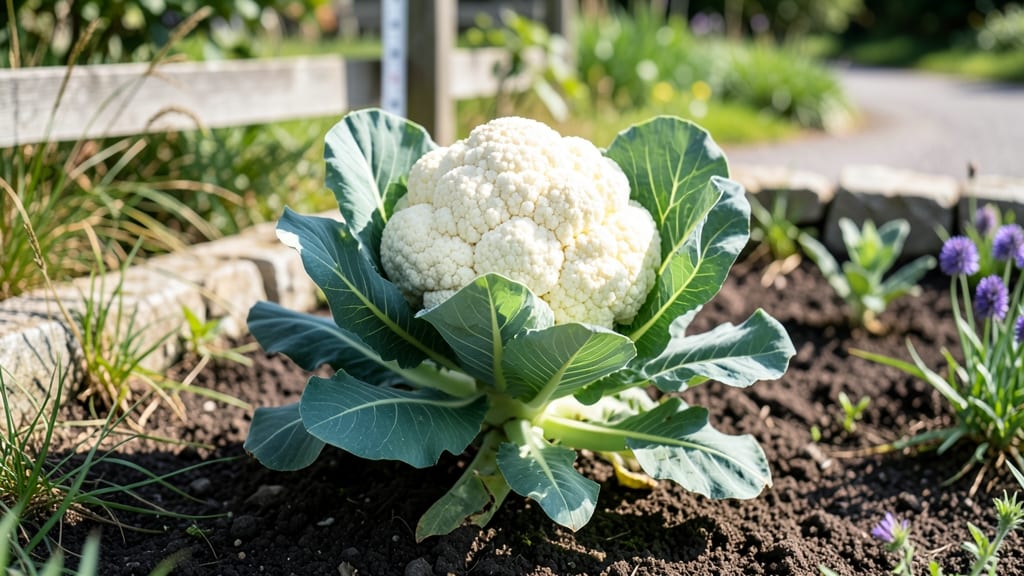
Cauliflower plants grow between 8 inches and 3 feet tall, depending on the variety you choose—so picking the right one for your garden space is the first step to a perfect harvest.
Wondering how much space to allocate in your garden for cauliflower? The height of your plants can vary dramatically—from compact varieties perfect for containers to towering giants that need room to sprawl—and knowing the right variety for your space is key to a bountiful harvest.
Dwarf varieties like 'Snowball' stay under 12 inches, making them ideal for small gardens or even window boxes, while standard types like 'Romanesco' can reach 3 feet or more. If you're short on space, a semi-dwarf (around 18 inches) strikes a great balance between productivity and garden layout.
Below, I’ll break down the height ranges for popular varieties, spacing tips to avoid overcrowding, and how to support taller plants if needed—so you can plan your garden like a pro.


Cauliflower height by variety: from dwarf to giant plants
When planning your garden, understanding cauliflower height by variety is essential for maximizing space and yield. Some varieties stay as short as 8 inches, while others can tower up to 3 feet or more.
The right choice depends on your garden layout, whether you're growing in containers or in-ground beds, and even your climate. For example, dwarf varieties like 'Snowball' are perfect for small spaces, while giant types like 'Romanesco' need ample room to thrive.
Let’s break down the height ranges so you can pick the perfect fit for your garden.
Cauliflower height isn’t just about the plant’s stature—it also affects sunlight exposure, air circulation, and even harvesting ease. Taller varieties may require staking or trellising to prevent lodging, while compact types can be interplanted with other crops.
Knowing these details helps you avoid overcrowding, which can lead to disease pressure or stunted growth. Whether you’re a beginner or a seasoned gardener, selecting the right height for your variety sets the stage for a successful harvest.
Here’s a quick comparison of popular cauliflower varieties by height, from the smallest to the tallest. This table will help you visualize how much space each type needs and which might suit your garden best.
If you’re growing dwarf varieties like 'Snowball' or 'Graffiti', you’ll love their compact size—ideal for container gardening or interplanting with herbs like thyme or parsley. These types rarely exceed 12 inches in height, making them perfect for urban gardens or balconies.
Just ensure they get 6+ hours of sunlight daily to prevent bolting or poor head formation.
For standard-height varieties like 'Cheddar' or 'Violetto', plan for 2–3 feet of space. These are the workhorses of the garden, offering large heads and reliable yields. They thrive in well-draining soil with consistent moisture, so mulching around the base can help retain humidity and suppress weeds.
Staking may be needed if your garden experiences heavy rain or wind.
Taller varieties like Romanesco can reach 3 feet or more, making them standout plants in both vegetable gardens and ornamental beds. Their striking fractal-shaped heads add visual interest, but they require ample spacing—at least 30–36 inches apart—to avoid competition for nutrients.
If space is limited, consider growing them in raised beds or along fences where their height can be supported with lightweight trellises.
One common misconception is that taller cauliflower plants always produce larger heads. While some giant varieties like 'Romanesco' yield impressive sizes, others may struggle in crowded conditions. Always check the spacing recommendations for your specific variety to ensure optimal growth.
For example, 'Purple of Sicily' might look compact but still needs 18–24 inches of space to prevent disease and encourage strong head development.
When selecting varieties, also consider your climate zone. Cooler climates favor taller types like 'Romanesco', while hotter regions may benefit from shorter, heat-tolerant varieties like 'Graffiti'.
If you’re in a USDA Zone 6 or lower, starting seeds indoors and transplanting after the last frost can give taller varieties a head start. Always harden off seedlings for 7–10 days before moving them outdoors to reduce transplant shock.
Pro tip: If you’re short on space, try
How cauliflower height affects your garden layout and harvest
When planning your garden layout, cauliflower height plays a crucial role in determining spacing, sunlight exposure, and even pest management. Taller varieties like 'Romanesco' can reach up to 3 feet, while dwarf types like 'Snowball' stay under 12 inches.
This height variation means you’ll need to adjust your garden design to accommodate each type’s needs—whether that’s creating vertical space or ensuring proper airflow.
Taller cauliflower plants often benefit from companion planting with shorter crops like lettuce or radishes, which don’t compete for sunlight. Meanwhile, dwarf varieties can thrive in containers or raised beds, making them ideal for small gardens or balconies.
Understanding these differences helps you maximize your garden’s productivity without overcrowding.
- 🌱 Dwarf varieties (8–12 inches): Perfect for containers or tight spaces; space 12 inches apart.
- 🌿 Semi-dwarf (12–18 inches): Ideal for in-ground planting; space 18 inches apart for airflow.
- 🌳 Tall varieties (2–3 feet): Use trellises or stakes to support growth; space 24 inches apart.
- ☀️ Sunlight tip: Taller plants may need morning sun to prevent bolting in hot climates.
For tall cauliflower varieties, consider using trellises or cages to save space and improve air circulation. This not only prevents the plants from toppling over but also reduces the risk of pest infestations like cabbage moths, which thrive in dense foliage.
If you’re growing in a small garden, vertical support can turn a 3-foot-tall plant into a space-saving feature.
Height also affects harvest timing and yield. Taller plants may produce larger heads but take longer to mature, while dwarf varieties offer quicker harvests. If you’re growing multiple varieties, stagger planting times to ensure a continuous supply throughout the season.
For example, plant dwarf types first for early harvests, followed by taller varieties for a late-season bounty.
If your cauliflower plants grow too tall or leggy, pruning can help manage their height and redirect energy to head formation. Simply trim the top leaves to encourage bushier growth, but avoid cutting into the developing head.
This technique is especially useful for standard varieties that may outgrow their intended space.
Finally, remember that height isn’t the only factor—leaf spread matters too! Some varieties like 'Purple of Sicily' have broad leaves that need extra space. Always check the plant’s mature size before planting, and don’t hesitate to thin seedlings if they’re too crowded.
With the right layout, your cauliflower garden will thrive, no matter the height! 🌱