
Landscaping
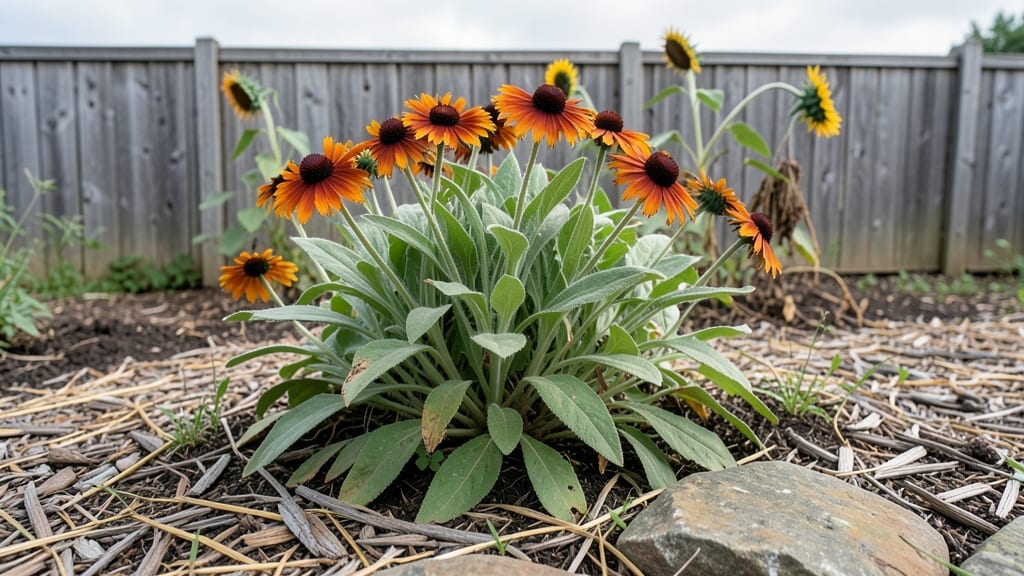
Blanket flower landscaping turns dull spaces into bold, sun-drenched statements with almost no effort—these fiery blooms thrive in full sun, need almost no water, and keep their color from summer through fall.
Picture this: a border that pops with orange, red, or yellow 🌼 without a single deadhead in sight, or a container garden that stays vibrant even when you forget to water. That’s the magic of blanket flowers, and they’re easier to grow than you think.
Whether you’re filling a sunny bed, lining a walkway, or dressing up pots, these drought-resistant stars bring year-round color with minimal care. Below, I’ll show you how to mix them with other plants, stretch their blooming season, and create layouts that steal the show.
Ready to ditch the high-maintenance plants? Here’s how to make blanket flowers the star of your landscape—no green thumb required.
How to plant and grow blanket flowers for maximum landscaping impact
Blanket flowers (Gaillardia) are the ultimate low-maintenance superstars for sun-drenched gardens, offering bold red-orange blooms that last from summer through fall. Their drought-tolerant nature and long-lasting flowers make them perfect for borders, beds, and containers where you want high impact with minimal effort.
The key to making them shine lies in proper planting techniques, sunlight exposure, and seasonal care—all of which I’ll break down step by step to ensure your blanket flowers dominate your landscape effortlessly.
Whether you’re revamping a drought-prone border or adding vibrant pops of color to a sunny patio, blanket flowers thrive in full sun and well-draining soil.
Their compact size (1-3 feet tall) and clustering habit make them ideal for mass planting, where their fiery hues create a stunning visual blanket across your garden. With the right approach, you’ll enjoy months of blooms that attract pollinators while requiring almost no extra care once established.
Step-by-Step Guide to Planting Blanket Flowers
-
Step 1: Choose the Right Location
Select a spot with full sun (6+ hours daily) and well-draining soil. Avoid low-lying areas where water pools, as blanket flowers hate soggy roots.
-
Step 2: Prepare the Soil
Test your soil’s drainage and pH (6.0–7.0 ideal). Amend heavy clay with compost or sand to improve aeration. A 2-inch layer of mulch helps retain moisture and suppress weeds.
-
Step 3: Plant at the Right Time
Plant after the last frost (April–May) when soil temps reach 60°F. Space plants 12–18 inches apart for full, bushy growth. Dig holes twice as wide as the root ball but no deeper.
-
Step 4: Water Deeply After Planting
Give newly planted blanket flowers 1 inch of water weekly for the first 2–3 weeks to encourage root establishment. Water at the base (not leaves) to prevent fungal issues.
-
Step 5: Fertilize Lightly for Blooms
Use a balanced fertilizer (5-10-10) once in early spring and again mid-summer. Over-fertilizing leads to leafy growth over flowers, so keep it light—1 tbsp per plant is plenty.
-
Step 6: Deadhead for Continuous Blooms
Snip off spent blooms regularly to encourage new flowers and extend the season. Use clean pruners or fingers—no need for fancy tools!
-
Step 7: Mulch and Monitor
Apply 2–3 inches of mulch around plants to retain moisture and deter weeds. In drought conditions, water deeply every 10–14 days instead of frequent shallow watering.
-
Step 8: Overwinter with Care
Blanket flowers are perennial in zones 3–9. In colder areas, cut back dead foliage in late winter and add a light mulch layer for insulation.
One of the biggest mistakes gardeners make is overwatering blanket flowers—they’re drought-tolerant once established, so less is more. I’ve seen them thrive in rock gardens and xeriscapes where other plants wilt.
For maximum impact, group them in odd-numbered clusters (3, 5, or 7 plants) to create natural focal points. Their bright colors contrast beautifully with silver foliage plants like lamb’s ear or deep greens like Russian sage.
If you’re planting in containers, choose pots with drainage holes and use a fast-draining mix (like cactus soil). Blanket flowers in containers need slightly more frequent watering (every 5–7 days) but still hate soggy conditions.
Pro tip: Add a layer of gravel at the bottom of the pot to improve drainage and prevent root rot.
For long-lasting blooms, I recommend mixing varieties like ‘Arizona Sun’ (red-orange) and ‘Fanfare’ (yellow). The color contrast will make your landscape pop even more.
Plus, their late-season blooms provide food for pollinators when other flowers fade. Just remember: full sun is non-negotiable—these plants wilts in shade and may not rebloom.
With these steps, your blanket flowers will thrive with minimal effort, turning your garden into a bold, sun-loving masterpiece that requires almost no maintenance. The best part? You’ll spend less time fussing and more time enjoying their vibrant, long-lasting blooms from summer through fall.
🌼
Best companion plants and design ideas for blanket flower landscapes
Blanket flowers (Gaillardia) thrive when paired with the right companions, creating stunning drought-tolerant borders and vibrant container gardens. Their fiery hues—ranging from crimson to golden yellow—complement succulents, ornamental grasses, and perennial bloomers beautifully.
The key is choosing plants that share similar water needs and sunlight requirements to minimize maintenance while maximizing visual impact.
For rock gardens, pair blanket flowers with sedum and lavender to create a low-water, high-impact design. In containers, mix them with salvia and black-eyed Susan for a cascading effect.
These combinations not only enhance color but also extend the blooming season, ensuring your garden stays lively from summer through fall.
Comparison Table: Best Companion Plants for Blanket Flowers
When designing with blanket flowers, focus on height variation and texture contrast. Plant taller varieties like Gaillardia aristata at the back of borders, while shorter types like Gaillardia pulchella work well in foreground containers.
Add mulch to retain moisture and suppress weeds, which is especially helpful in drought-prone areas.
For a year-round display, combine blanket flowers with evergreen shrubs like rosemary or dwarf boxwood. These pairings ensure your garden remains visually striking even in winter months, when other annuals fade.
Use container gardens to create mobile displays that you can move to follow the sun or create seasonal focal points.
Don’t overlook the power of seasonal layering. Plant spring bulbs like tulips or daffodils beneath blanket flowers to ensure early-season color. As the blanket flowers fade in late fall, their dried seed heads add winter interest while providing food for wildlife.
This approach keeps your landscape dynamic and engaging throughout the year.
Experiment with color-blocking by grouping monochromatic varieties of blanket flowers together. For example, plant deep red and orange types side by side for a bold, cohesive look. Add silver foliage plants like artemisia to create striking contrasts. These design tricks elevate your garden from ordinary to extraordinary with minimal effort.