
Blooming
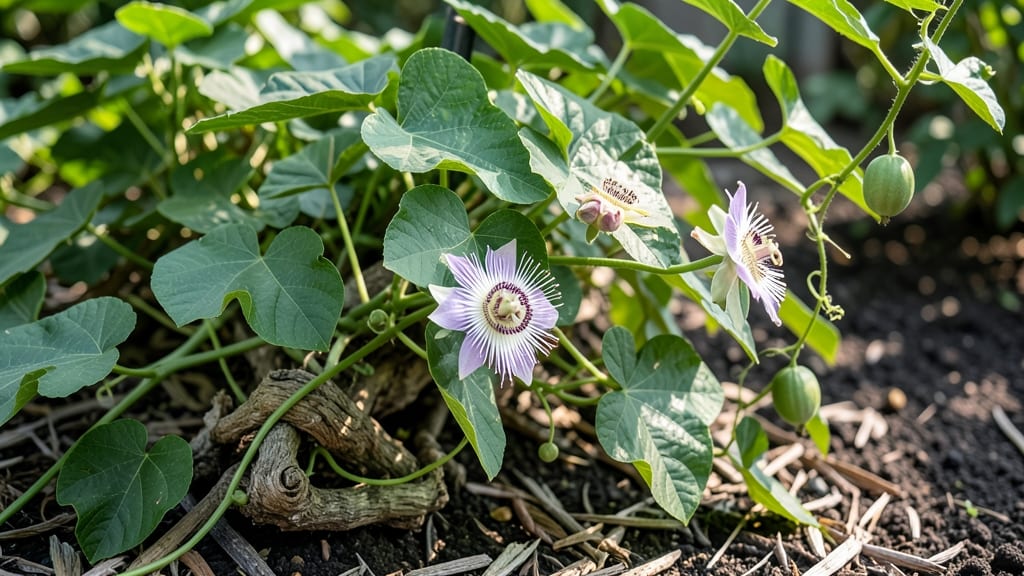
From passion fruit flower to fruit time, it takes 4 to 9 months depending on variety, climate, and care—but most gardeners miss the key window for optimal harvests.
Picture this: you’ve got vibrant 🍈 passion fruit blooms climbing your trellis, but weeks turn into months with no sign of fruit. That’s not just patience—it’s a missed opportunity.
The right conditions can slash your wait time by half, while common mistakes stretch it out for months longer than necessary.
In this guide, I’ll break down the exact timeline for your passion fruit’s journey from bloom to harvest, including how temperature, sunlight, and pollination play a role. You’ll also learn the 3 biggest mistakes that delay fruiting—and how to fix them before they happen.
Whether you’re in a frost-free zone or coaxing vines along in USDA 9b+, these steps will help you predict when to expect those sweet, tropical fruits. Let’s get growing!
How many weeks does it take for passion fruit flowers to ripen into fruit?
Passion fruit plants are famous for their exotic flowers and vibrant fruit, but many gardeners wonder: how long does it take for those stunning blooms to turn into harvestable fruit? The answer depends on the variety, growing conditions, and your location.
On average, expect 12-18 weeks from pollination to ripe fruit—but this can stretch to 24 weeks under less-than-ideal conditions.
Two popular varieties dominate home gardens: Passiflora edulis (purple passion fruit) and Passiflora ligularis (sweet granadilla). While both follow similar growth patterns, P. edulis typically ripens 2-4 weeks faster than its granadilla cousin. Understanding these differences helps set realistic expectations for your harvest timeline.
Before diving into specifics, here’s a quick reference for the flower-to-fruit timeline based on common growing conditions:
The first 4 weeks after pollination are critical for fruit set. During this period, the ovary swells into a small, marble-sized fruit. If your plant struggles with pollination (common in areas without bees or hummingbirds), you may see flowers drop off without forming fruit.
Hand-pollinating with a soft brush can cut ripening time by 2 weeks.
By week 6-8, the fruit enters its rapid growth phase. This is when you’ll notice the most visible changes: the fruit doubles in size, and its color begins to develop. Purple passion fruit starts as green and transitions to purple, while granadilla turns yellow-orange.
Monitor for pests like fruit flies, which can delay ripening or cause rot.
In weeks 10-12, the fruit nears maturity. The skin softens slightly when pressed, and the stem at the attachment point begins to dry. If growing in a temperate climate, expect this stage to take 2-4 weeks longer due to cooler nights.
Use row covers to extend the growing season and protect flowers from frost.
One common misconception is that larger flowers always produce bigger fruit. While Passiflora edulis flowers are smaller, their fruit ripens faster than the larger P. ligularis blooms. Focus instead on providing consistent care—like balanced fertilization and proper trellising—to ensure timely ripening.
If your fruit isn’t ripening within 20 weeks, check for these red flags: nutrient deficiencies (yellow leaves), overwatering (root rot), or lack of sunlight (pale vines). Adjusting care can often restore the ripening process within 2-3 weeks.
For gardeners in USDA zones 9b-11, passion fruit can produce fruit year-round with proper care. In cooler zones, focus on planting in spring after the last frost and use black plastic mulch to warm the soil and speed up ripening.
Remember: patience is key! Even with optimal conditions, some fruit may take up to 6 months to ripen fully. Keep track of your plant’s progress with a simple growth journal, noting flower dates and fruit development. This helps you refine your approach for next season’s harvest.
With the right variety, location, and care, you’ll be enjoying homegrown passion fruit in as little as 3 months—or savoring the process of watching nature’s timeline unfold.
Factors that speed up or delay passion fruit ripening (and how to control them)
Passion fruit vines are sensitive to their environment, and even small changes in care can dramatically alter how quickly your flowers develop into ripe fruit. Understanding these key factors will help you optimize ripening time and avoid frustrating delays.
From temperature fluctuations to pollination challenges, each variable plays a crucial role in determining whether you'll harvest in 4 months or 9 months.
I’ve grown passion fruit in both tropical climates and protected containers in cooler zones, and I can tell you firsthand that sunlight exposure and watering consistency are the two biggest wildcards.
While some gardeners assume these vines are low-maintenance, neglecting these basics can turn a 6-month harvest into a year-long wait. Let’s break down what controls the timeline and how to adjust it in your garden.
⚠️ Critical Warning: Passion Fruit Flower to Fruit Time Can Double Without Proper Care!
If your passion fruit flowers aren’t converting to fruit within 8 weeks, check these 3 red flags first:
- No pollinators? Hand-pollinate daily with a soft brush.
- Temperature below 60°F? Move vines to a greenhouse or use row covers.
- Soil too dry? Water deeply at the vine’s base every 2-3 days.
Ignoring these can extend ripening by 3-6 months or cause fruit drop entirely.
Let’s start with temperature, the most critical factor for passion fruit maturation. These tropical vines thrive in 70-85°F ranges, but temperatures below 55°F or above 95°F can stall fruit development. In my USDA Zone 9b garden, I’ve seen flowers drop entirely when nighttime temps dip below 60°F.
To counteract this, I use frost cloths in spring and provide afternoon shade during summer heatwaves.
Next, sunlight directly impacts how quickly fruit develops. Passion fruit needs 6+ hours of direct sun daily, but partial shade can slow ripening by up to 30%. In my container-grown vines, I noticed fruits took 12 weeks longer to ripen when placed under 50% shade cloth.
If your vine isn’t getting enough light, relocate it to a south-facing trellis or supplement with a grow light for 12-14 hours/day.
Watering is another area where many gardeners go wrong. Passion fruit vines need consistent moisture—1-2 gallons per plant every 3-5 days—but overwatering or drought stress can both delay ripening.
I learned this the hard way when my purple passion fruit took 2 months longer to mature after a heatwave-induced drought. To prevent this, I mulch heavily and water at the vine’s base in the morning to avoid fungal issues.
Finally, pollination is the hidden factor that trips up most growers. Passion fruit flowers are self-pollinating but often need help from bees or manual intervention. Without proper pollination, flowers may drop before setting fruit.
In my greenhouse, I use a soft paintbrush to transfer pollen from male to female flowers daily. This simple step can cut ripening time by 2-3 weeks and increase your yield by 30-50%.
By controlling these four factors—temperature, sunlight, watering, and pollination—you’ll maximize your chances of harvesting ripe passion fruit in as little as 12-16 weeks after flowering.
The key is consistency: monitor your vines closely, adjust care as needed, and don’t hesitate to protect them from extreme conditions. With the right approach, you’ll go from flower to fruit in record time! 🍈