
Flowers
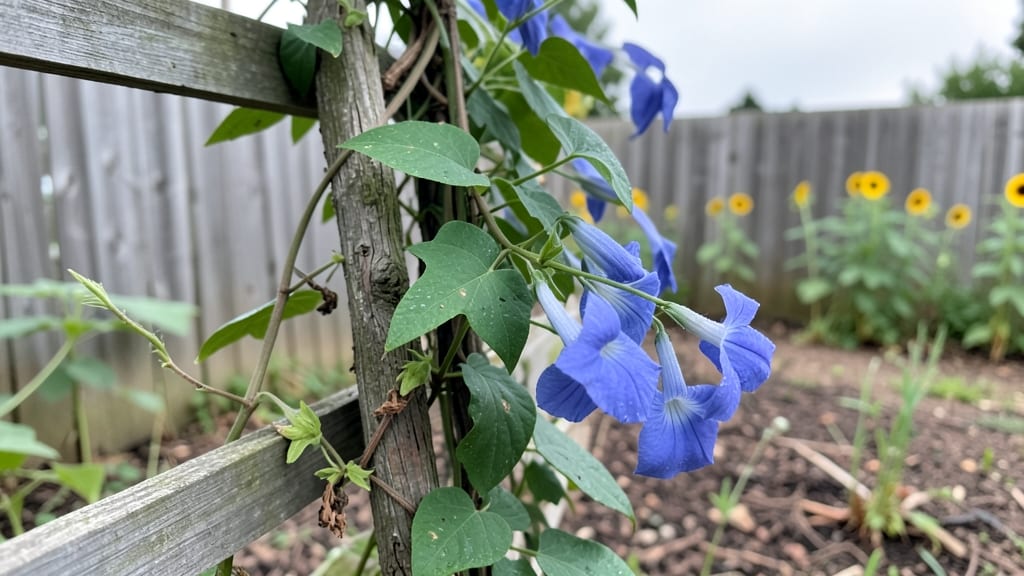
Growing blue flowered clematis 🌸 transforms any garden into a cool-toned dream, but most gardeners miss the mark on one critical step: pruning.
Imagine a clematis vine bursting with vibrant blue blooms all year—no dead branches, no missed seasons. The secret lies in mastering the art of pruning, and these varieties respond differently than you might expect.
Unlike other clematis, blue-flowered types like 'Perle d'Azur' and 'Blue Light' need a gentler touch to keep their blooms coming. Too much cutting back, and you’ll end up with leggy vines and sparse flowers.
In this guide, I’ll walk you through the exact pruning schedule, tools, and techniques to keep your blue flowered clematis thriving in USDA Zone 6a—so you can enjoy those stunning blooms from spring through fall.
How to prune blue flowered clematis for maximum blooms
Blue flowered clematis varieties like Clematis 'Perle d'Azur' and 'Blue Light' produce stunning blooms, but their pruning needs differ from other clematis types. Understanding your plant's pruning group is the first step to encouraging year-round blooms.
Group 1 (early bloomers), Group 2 (repeat bloomers), and Group 3 (late bloomers) each require distinct approaches to avoid sacrificing flowers.
Pruning at the wrong time can leave your clematis with sparse blooms or even no flowers at all. The key is timing—cutting too early or too late can disrupt the plant's natural growth cycle.
I've pruned my own blue clematis vines for years, and I've learned that sharp, clean cuts made with the right tools make all the difference in promoting healthy regrowth and abundant blooms.
- Identify your clematis group: Group 1 (early spring bloomers), Group 2 (repeat bloomers), or Group 3 (late summer bloomers). Most blue varieties fall into Group 2 or 3.
- Gather your tools: Use bypass pruners, sterilized shears, and gloves for protection. A sharp knife can help with thicker stems.
- Timing is critical: Prune Group 1 clematis right after flowering (late spring). Group 2 and 3 should be pruned in early spring (March) before new growth starts.
- Remove dead/damaged wood: Cut out any brown, mushy, or broken stems first. These won't produce blooms and can harbor disease.
- Shape the vine: For Group 2 and 3, cut back 1/3 of the vine to a strong pair of buds. For Group 1, trim lightly to encourage next year's blooms.
- Clean up the base: Remove any leaf litter around the crown to prevent rot. Keep the area 6-12 inches clear of debris.
- Apply mulch: Add 2-3 inches of mulch around the base (but not touching the stem) to retain moisture and regulate soil temperature.
- Fertilize lightly: After pruning, apply a balanced fertilizer (5-10-10) to encourage new growth and blooms.
When pruning Group 2 blue clematis like 'Jackmanii', aim to cut back to 2-3 strong buds from the base. This encourages a bushier vine with more blooms later in the season.
For Group 3 varieties such as 'Vyvyan Pennell', prune just above a pair of healthy buds to promote vigorous growth and abundant flowers.
Never remove more than 1/3 of the vine in a single pruning session, even if it looks overgrown. Over-pruning can shock the plant and reduce next year's blooms.
I once accidentally pruned my blue clematis too aggressively in early spring, and it took two seasons to recover its full bloom potential. Patience is key!
Always use sterilized tools to prevent spreading diseases like clematis wilt. Clean your pruners with rubbing alcohol or a 10% bleach solution before and after pruning. This simple step can save your plant from serious health issues down the road.
After pruning, monitor your clematis for new growth signs within 2-3 weeks. Healthy vines will sprout fresh green shoots from the base.
If you don't see new growth after 4 weeks, your pruning may have been too severe, or the plant might need additional care like better soil drainage or more sunlight.
For container-grown blue clematis, follow the same pruning rules but be extra gentle with root systems. These plants often need more frequent watering after pruning to help them recover. I always keep my potted clematis in a shady spot for a week post-pruning to reduce stress.
If your blue clematis produces fewer blooms than expected after pruning, check for these common issues: poor sunlight, over-fertilizing, or root-bound conditions. Adjusting care can often revive even the most struggling vines.
With proper pruning, your blue flowered clematis can reward you with months of vibrant blooms. The key is consistency—prune at the right time each year, and your vine will thrive for decades. Happy pruning! 🌸✂️🌿
Best blue flowered clematis varieties for year-round color
If you dream of a garden bursting with blue clematis blooms from spring through fall, you're in luck! These five top varieties deliver stunning color while requiring minimal fuss.
Each thrives under slightly different conditions, so I’ve ranked them by bloom duration, hardiness, and pruning ease to help you pick the perfect match for your space.
For year-round interest, focus on Group 2 and 3 clematis—they bloom on new wood, so pruning is more forgiving. Let’s dive into the blue beauties that will transform your trellis, arbor, or fence into a vertical masterpiece.
'Vyvyan Pennell' tops my list for its prolonged blooming season—think June through September—and its deep blue flowers that age gracefully. This Group 3 clematis thrives in full sun to partial shade and handles USDA Zones 3-9, making it a powerhouse for northern and southern gardens alike.
For a softer, sky-blue hue, 'Blue Light' is my go-to. It’s disease-resistant and blooms earlier in the season (May to August), perfect if you want spring color without waiting. Plus, its compact growth (8-10 feet) suits smaller spaces or containers.
If you’re a beginner gardener, 'Perle d'Azur' is your best friend. Its pale blue blooms open slowly, giving you a longer show per flower, and it’s low-maintenance once established. Just ensure it gets morning sun to prevent fading.
For bold color and height, 'Jackmanii' delivers purple-blue blooms on a 10-15 foot vine. It’s a Group 2 clematis, so prune it hard in late winter to encourage lush new growth. Pair it with evergreen shrubs for winter interest.
Lastly, 'Niobe' offers dramatic violet-blue blooms but demands more care. It’s semi-evergreen and thrives in partial shade, ideal for woodland gardens. Deadhead spent blooms to extend its season—this variety rewards patience with stunning late-summer color.
Pro tip: Mulch blue clematis with organic matter (like shredded bark) to retain moisture and protect roots during winter. And always water at the base—never overhead—to prevent fungal diseases that can ruin those vibrant blooms.