
Fertilization
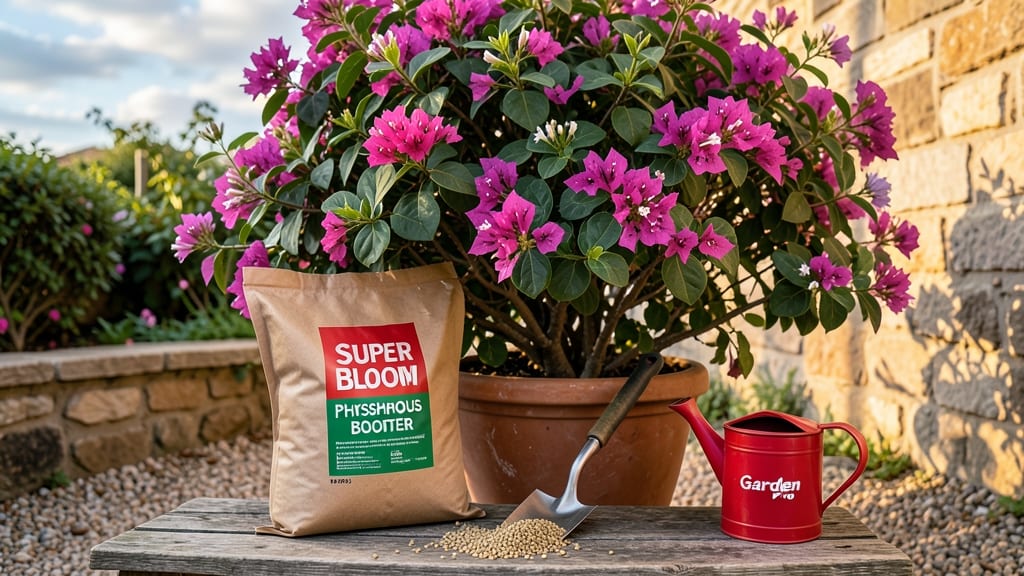
To maximize flowering in your bougainvillea 🌸, you need the right fertilizer balance—especially phosphorus—that turns leafy vines into a riot of color.
Struggling to get your bougainvillea to burst into vibrant, long-lasting blooms? The secret lies in mastering the perfect fertilizer balance—especially nitrogen and phosphorus—that transforms leafy vines into a flowering masterpiece.
Most gardeners focus on nitrogen for lush growth, but bougainvillea thrives when phosphorus takes center stage. This nutrient is the key to triggering those show-stopping bracts, and without it, your plant may just keep producing foliage instead of flowers.
In this guide, I’ll break down the exact fertilizer ratios, organic and synthetic options, and the best application timing to ensure your bougainvillea puts on a year-round floral show—no more leafy disappointment, just vibrant blooms.
Optimal nitrogen-phosphorus-k ratio for bougainvillea flowering explained
If your bougainvillea is throwing lush leaves but refusing to bloom, the issue likely lies in your fertilizer ratio. These tropical beauties thrive on a precise balance of nutrients, where phosphorus takes center stage for flowering.
The ideal NPK ratio for bougainvillea is 3-10-10, emphasizing phosphorus to trigger vibrant blooms while keeping nitrogen in check to avoid leafy overgrowth.
Phosphorus isn't just important—it's the flowering catalyst for bougainvillea. When phosphorus levels are low, your plant will focus energy on foliage instead of producing those showstopping papery bracts that make bougainvillea famous.
The 10-10-10 ratio is a close second if you can't find a 3-10-10 blend, but we'll show you how to adjust existing fertilizers to hit that sweet spot.
Understanding how to adjust NPK ratios is key. For example, if you're using a balanced 10-10-10 fertilizer, you can reduce nitrogen applications by half while maintaining phosphorus and potassium.
This mimics the 3-10-10 ratio without buying specialty products. Seasonal adjustments are also critical—boost phosphorus during spring and fall when blooming is most active.
Here's the science behind why phosphorus matters: It helps your bougainvillea develop strong root systems and energy transfer to flower production. Without enough phosphorus, your plant will struggle to convert sunlight into the sugars needed for blooms.
The 3-10-10 ratio ensures phosphorus is prioritized while potassium supports overall plant health and disease resistance.
Let's break down how to apply this knowledge practically. Start by testing your soil to understand your current nutrient levels. Most garden centers offer affordable soil tests that reveal phosphorus, nitrogen, and potassium levels.
If phosphorus is low, you'll want to amend your soil with bone meal or a phosphorus-rich fertilizer before the growing season begins.
For container-grown bougainvillea, the approach is slightly different. Since potted plants have limited soil volume, you'll need to fertilize more frequently but with a lighter hand. Use a water-soluble 3-10-10 fertilizer every 4-6 weeks during the growing season, always following the package instructions.
In containers, nutrients leach out faster, so consistent feeding is crucial for maintaining that perfect bloom-inducing ratio.
Seasonal timing is everything when it comes to bougainvillea flowering. In spring, when new growth begins, is the perfect time to introduce your phosphorus-rich fertilizer. This gives your plant the boost it needs to produce abundant blooms throughout the warmer months.
In summer, reduce feeding slightly to avoid stressing the plant, especially in hot climates where bougainvillea naturally slows growth.
Here's a visual guide to help you understand the ideal ratios and seasonal adjustments at a glance:
If you're using a general-purpose fertilizer like 10-10-10, you can create your own 3-10-10 blend by simply halving the nitrogen applications. For example, if the package recommends 1 tablespoon per plant, use only 0.5 tablespoons while maintaining the full phosphorus and potassium amounts.
This simple adjustment can make a dramatic difference in your bougainvillea's flowering performance.
For those who prefer organic options, bone meal is an excellent phosphorus source. Work 1-2 tablespoons of bone meal into the soil around your bougainvillea in early spring. Pair this with a low-nitrogen organic fertilizer like fish emulsion to complete the nutrient profile.
The key is to avoid overdoing nitrogen, which will shift your plant's energy away from blooms and toward leaf production.
Remember that bougainvillea is a sun-worshipper, and proper sunlight is just as critical as the right fertilizer ratio. Even with perfect NPK balance, your plant needs 6+ hours of direct sunlight daily to produce abundant blooms.
Combine your fertilizer strategy with full sun exposure, and you'll be rewarded with a bougainvillea that bursts into color year after year.
Finally, always monitor your plant's response to fertilization. If you notice
Best organic and synthetic fertilizers that boost bougainvillea blooms
Choosing the right bougainvillea fertilizer can turn your leafy green vines into a floral explosion of vibrant bracts. The key? A phosphorus-rich formula (like 3-10-10 NPK) that encourages blooming while avoiding nitrogen overload, which promotes foliage over flowers.
Whether you prefer organic options for soil health or synthetic blends for quick results, the right choice depends on your bougainvillea's current needs and your gardening style.
For container-grown bougainvilleas, I recommend slow-release fertilizers to prevent nutrient runoff, while in-ground plants benefit from granular options mixed into the soil. Always water thoroughly after application to activate nutrients and prevent root burn.
Let's explore the top performers that have transformed my own bougainvilleas from sparse bloomers to year-round floral displays.
🌸 Bougainvillea Fertilizer Comparison
Organic Options
Pros: Rich in nitrogen + micronutrients, improves soil health
Cons: Strong odor, requires dilution
Best For: Established plants needing foliar boost
Pros: High phosphorus (4-12-0), slow-release
Cons: Can cause phosphorus buildup, not for frequent use
Best For: Pre-bloom season (spring/fall)
Synthetic Options
Pros: 12-40-8 NPK, fast-acting for blooms
Cons: High salt content, requires flushing
Best For: Quick bloom response (every 2 weeks)
Pros: 15-9-12 NPK, 4-month slow-release
Cons: More expensive upfront
Best For: Container plants, minimal maintenance
My go-to organic choice is fish emulsion mixed with bone meal—this combo delivers both immediate and sustained nutrients. For fast results, I've had success with Miracle-Gro Bloom Booster during peak blooming seasons, but I always follow up with a water flush after 3 applications to prevent salt buildup.
The Osmocote Smart-Release pellets are my secret weapon for container bougainvilleas, as they eliminate the need for monthly feeding.
Cost-wise, organic options like bone meal ($8/lb) and fish emulsion ($12/gal) are more budget-friendly than synthetic slow-release blends ($20/5lb). However, the long-term soil benefits of organics often justify the investment.
Pro tip: Mix 1 tbsp of bone meal into the soil at planting time, then top-dress with fish emulsion (1 tbsp/gal water) every 6 weeks during active growth.
For newly planted bougainvilleas, I recommend a balanced 10-10-10 fertilizer to establish roots before switching to a phosphorus-heavy formula for blooms. Always avoid high-nitrogen fertilizers (like 30-0-0) unless you want lush leaves at the expense of flowers.
The key is seasonal adjustments: feed heavily in spring and fall for bloom initiation, then lighten up in summer heat to prevent stress.
Remember, bougainvilleas thrive on neglect—too much fertilizer can actually reduce flowering. Start with half the recommended dose and monitor your plant's response. If you notice leaf burn or stunted growth, flush the soil with water immediately.
With the right fertilizer strategy, your bougainvillea will reward you with bold, continuous blooms from spring through fall. 🌿