
Flowers
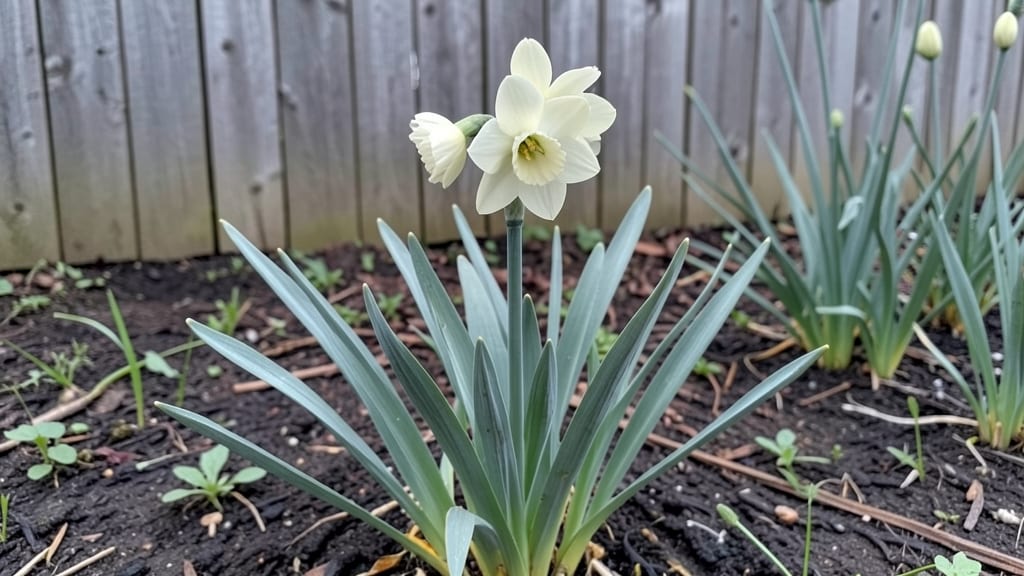
Growing bunch-flowered daffodils 🌼 brings clusters of fragrant blooms that outshine single-stem varieties, and the secret starts with the right planting window.
Imagine waking up to vibrant clusters of daffodils bursting with color right outside your window—bunch-flowered daffodils make this dream a reality with their fragrant, multi-bloom stems. Unlike their single-flowered cousins, these clumping varieties create dramatic spring displays that rival tulips in beauty.
In USDA Zone 6a, planting these bulbs between September and November ensures they establish strong roots before winter, setting the stage for April-May blooms that last for weeks.
The key? Planting at the right depth, spacing them properly, and giving them full sun—all of which I’ll walk you through step by step.
From selecting the best varieties to troubleshooting common issues like poor flowering or yellowing leaves, this guide covers everything you need to turn your garden into a fragrant spring showstopper. Let’s get those clumps thriving!
How to identify and select the best bunch-flowered daffodil varieties
Bunch-flowered daffodils (Narcissus tazetta) stand out from their single-bloom cousins because they produce 3-12 flowers per stem, creating stunning clumps that multiply over time. The key to success starts with selecting the right variety and bulb quality.
Unlike clumping daffodils like Jonquil, some bunch-flowered types like Paperwhite grow as non-clumping annuals. Understanding these differences ensures you choose plants that will thrive and multiply in your garden.
When shopping for bulbs, prioritize size (larger bulbs = bigger blooms), firmness (no soft spots), and dormancy status (freshly harvested bulbs plant best in fall). Look for fragrant varieties like 'Tête-à-Tête' or 'Ice Follies', which offer both visual appeal and intoxicating scents.
These traits directly impact your garden's spring display, so don't rush your selection—quality bulbs lead to healthier, more vibrant clumps.
Here’s how to compare the most popular bunch-flowered daffodil varieties at a glance:
For fragrance lovers, 'Tête-à-Tête' and 'Ziva' are top picks, while 'Ice Follies' offers early blooms and a strong clumping habit, perfect for borders. If you're growing in containers or need winter blooms, Paperwhite is ideal—but remember, it won’t multiply like clumping varieties.
Always check the dormancy status of bulbs; freshly dug ones (labeled "fresh") plant best in fall for next spring’s blooms.
When selecting bulbs, avoid those with shriveled skins or mold, as these signal poor health. Opt for bulbs labeled "clumping" if you want natural spread, or "non-clumping" for annual displays.
Planting larger bulbs (size 10-12) ensures bigger blooms and stronger stems. Store bulbs in a cool, dry place (40-50°F) until planting to maintain dormancy and health.
Another key factor is bloom time. Early varieties like 'Ice Follies' brighten gardens in late winter, while late bloomers like 'Erlicheer' extend the season into May.
Plan your garden layout around these timelines to create a continuous display of color. For example, pair early bloomers with tulips for a sequential spring show.
Fragrance intensity varies widely—some varieties like 'Erlicheer' have a spicy, almost citrusy scent, while others like 'Tête-à-Tête' offer a classic sweet aroma. If you’re growing near patios or walkways, prioritize highly fragrant varieties for a sensory experience.
Evenings are the best time to enjoy these scents, as cooler temperatures enhance their natural perfume.
For container gardening, choose dwarf varieties like 'Tête-à-Tête' (12-18" tall) to avoid overcrowding. In ground plantings benefit from looser spacing (6-8" apart) to encourage natural clumping.
Over time, these daffodils will form dense clusters, reducing the need for replanting. This makes them ideal for mass plantings or woodland gardens where they’ll natural
Step-by-step guide to planting and caring for clumping daffodil bulbs
Bunch-flowered daffodils thrive when planted correctly, and their clumping habit makes them perfect for borders or containers. The key to success lies in proper planting depth, well-draining soil, and strategic spacing.
Unlike single-stem varieties, these bulbs multiply over time, creating lush, fragrant clusters. Let’s break down the essential steps to ensure your Narcissus tazetta bulbs flourish for years.
Timing is everything with daffodils. Plant your bulbs 6-8 weeks before the first frost, typically in September or October in most climates. This gives roots time to establish before winter dormancy.
Choose a location with full sun to partial shade—at least 6 hours of sunlight daily—and soil that drains well to prevent bulb rot. Amend heavy clay soil with compost or sand if needed.
Planting Your Bunch-Flowered Daffodils
Avoid the common mistake of planting daffodils too shallowly—this can lead to poor root development and fewer blooms. Overcrowding also stifles growth, so stick to the 3-6 inch spacing guideline.
In USDA Zones 3-8, these hardy bulbs tolerate winter well, but a thick mulch layer in colder regions protects them from freeze-thaw cycles.
Once spring arrives, your clumping daffodils will reward you with fragrant, multi-bloom stems. Fertilize lightly in early spring with a balanced 10-10-10 fertilizer to encourage robust growth. Stop fertilizing after blooming to allow bulbs to store energy for next year.
Water moderately during active growth—about 1 inch per week—but reduce watering as foliage yellows in late spring.
To encourage natural clumping, divide bulbs every 3-5 years when they become overcrowded. Lift bulbs in early summer after foliage yellows, separate offsets, and replant immediately. This rejuvenates the clump and prevents bloom decline. With proper care, your bunch-flowered daffodils will multiply and create stunning, fragrant displays for decades.
🌼