
Planting
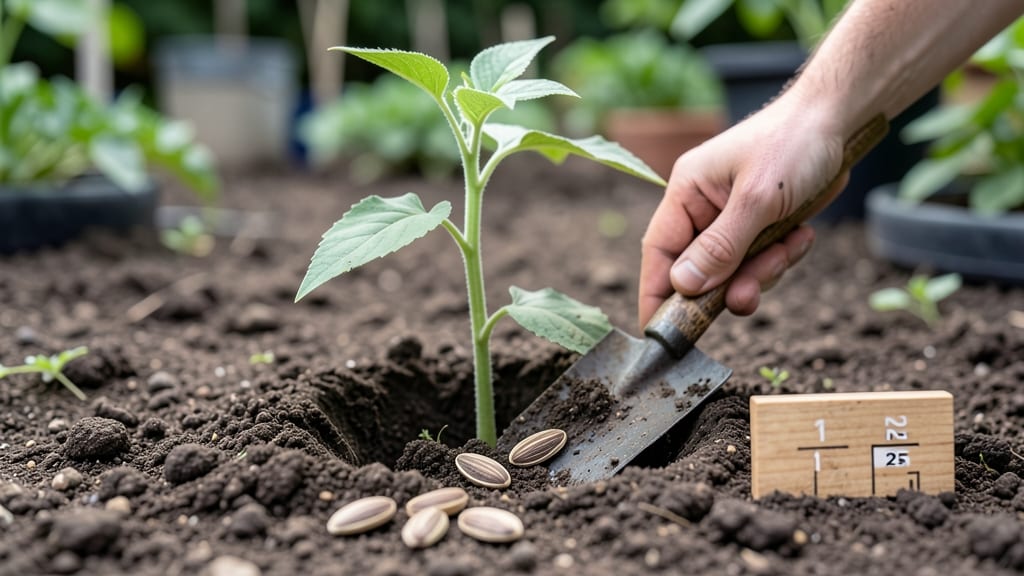
Planting sunflowers at the right depth—about ½ to 1 inch—sets the stage for strong stems and quick blooms that reach toward the sky.
Too shallow, and they’ll struggle to anchor; too deep, and they may rot before sprouting. I’ve seen gardeners swear by their “perfect” sunflower rows, only to watch them wilt mid-season because the depth was off by just a fraction.
This guide breaks down the exact planting depth for your sunflowers, whether you’re growing towering giants or compact varieties, plus how to adjust for soil type and climate. No guesswork—just quick, reliable growth from seed to sun.
We’ll also cover the most common mistakes and how to fix them, so you avoid leggy stems or slow germination. Ready to grow sunflowers that thrive from day one?
Optimal sunflower planting depth by seed type and variety
Sunflower seeds need precise planting depth to thrive—too shallow, and they dry out; too deep, and they struggle to emerge. The ideal depth for most sunflower varieties is ½ to 1 inch, but this varies slightly based on seed size and soil conditions.
Understanding these nuances ensures strong stems and vibrant blooms from the start.
Larger sunflower seeds, like those from giant varieties, benefit from the deeper end of the range (1 inch deep). Smaller seeds from dwarf varieties can be planted at ½ inch deep to encourage faster germination.
The right depth also supports stem strength—critical for those towering sunflowers reaching their full potential.
Here’s how to adjust planting depth based on your sunflower type and growing conditions:
| Sunflower Type | Seed Size | Optimal Depth | Soil Type Adjustment | Germination Time |
|---|---|---|---|---|
| Giant Varieties (e.g., 'Mammoth', 'Russian Giant') | Large (½ inch diameter) | 1 inch deep | Clay soil: ½ inch deeper | 7-10 days |
| Standard Varieties (e.g., 'Autumn Beauty', 'ProCut') | Medium (¼ inch diameter) | ½ to ¾ inch deep | Sandy soil: ¼ inch shallower | 5-8 days |
| Dwarf Varieties (e.g., 'Teddy Bear', 'Sunspot') | Small (⅛ inch diameter) | ¼ to ½ inch deep | Loamy soil: standard depth | 4-7 days |
| All Varieties in Containers | Any size | ½ inch deep (max) | Use well-draining mix | 6-9 days |
Soil type plays a crucial role in adjusting planting depth. In heavy clay soil, plant seeds ½ inch deeper to prevent premature drying. Conversely, sandy soil drains quickly, so reduce depth by ¼ inch to keep seeds moist.
Always loosen soil to 2-3 inches deep before planting for optimal root development.
Temperature also affects germination. For faster sprouting, aim to plant when soil temperatures reach 55°F or higher. Cooler soils slow germination, so avoid planting in early spring unless using a cold frame. Warm soil speeds up the process, ensuring your sunflowers emerge within 5-10 days.
Proper planting depth directly impacts stem strength. Seeds planted too shallow may produce leggy, weak stems that struggle to support heavy flower heads. Conversely, seeds buried too deep risk rot or poor germination due to lack of oxygen.
Use a seed depth marker or your finger as a guide for consistency.
For container-grown sunflowers, stick to ½ inch deep regardless of variety. Containers dry out faster, so ensure the soil stays consistently moist until germination. Place containers in a sunny spot with at least 6 hours of direct sunlight daily to encourage strong, upright growth.
After planting, gently firm the soil around seeds to eliminate air pockets. This step improves moisture retention and ensures seeds stay in place. Water lightly but thoroughly—avoid soaking the soil, as this can displace seeds. Mulch with straw or compost once seedlings emerge to retain moisture and suppress weeds.
Monitor your sunflowers closely after germination. If seedlings appear pale or stretched, they may not have received enough light. Thin seedlings to 12-18 inches apart once they reach 3-4 inches tall to give them room to grow. This spacing prevents competition for nutrients and supports robust stem development.
With the right planting depth, your sunflowers will reward you with vibrant blooms and towering stems that brighten any garden. Whether you’re growing giant varieties for cutting or dwarf types for containers, precision in planting depth sets the stage for success.
Common mistakes in sunflower planting depth and how to fix them
Planting sunflowers at the wrong depth is one of the most overlooked factors that can sabotage your entire crop. Too shallow and your seeds may dry out before sprouting, while too deep can suffocate them, preventing germination.
Even after sprouting, incorrect depth weakens stems and delays blooming. Let's fix these common mistakes before your sunflowers reach their full potential.
Sunflowers thrive when planted at ½ to 1 inch deep, but many gardeners either bury them too lightly or plant them too deep by accident. The ideal depth ensures consistent moisture while allowing the seed to access oxygen.
Understanding the signs of improper depth—like leggy stems or slow germination—can save your sunflowers before they struggle.
If your sunflowers are leggy and weak, they were likely planted too shallow. This causes the seedling to stretch toward light, creating a thin, unstable stem that can snap in wind or rain.
To fix this, gently replant the seedling at the correct depth (½ inch) and stake it immediately to provide support while it recovers.
On the other hand, poor germination often means seeds were planted too deep. Sunflower seeds need light and air to sprout, so burying them beyond 1.5 inches can trap moisture and prevent them from breaking through the soil.
If you suspect this, lightly scratch the soil surface around the planting area to encourage sprouting.
Soil compaction is another hidden issue that affects planting depth. Hard, compacted soil can make it difficult to plant seeds at the right depth, leading to uneven germination. Loosen the soil before planting with a garden fork or tiller, and mix in compost or sand to improve drainage and aeration.
Finally, balance moisture after planting to support proper depth. Water deeply after planting to settle the soil around seeds, but avoid overwatering, which can wash seeds too deep. Use a fine mist to keep the soil moist without disturbing the seeds until they sprout.
With these fixes, your sunflowers will develop strong, sturdy stems and reach their full height—ready to bloom beautifully. Paying attention to planting depth now will save you from struggling plants later! 🌱