
Propagation
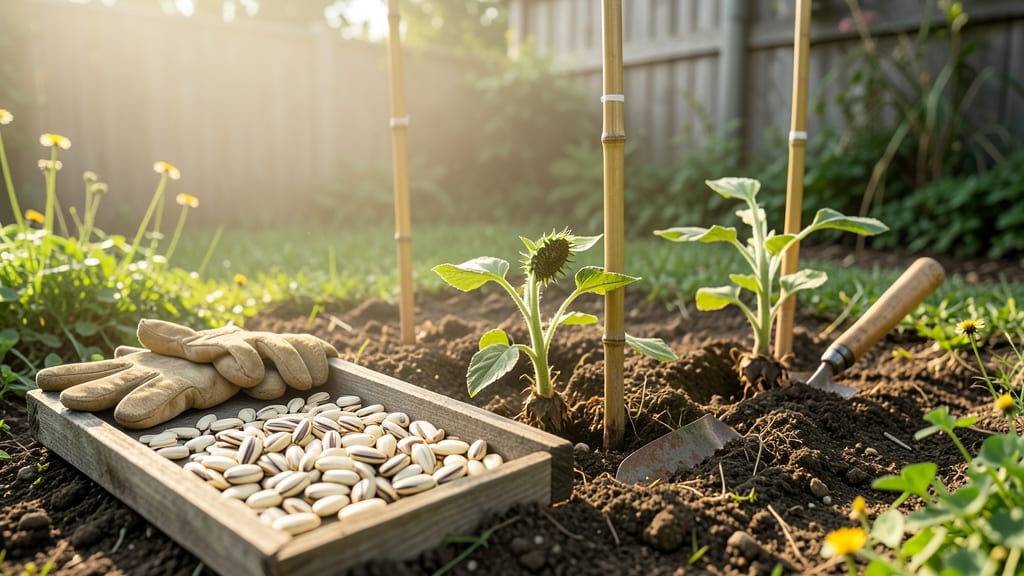
Planting sunflower seeds outdoors 🌻 is easier than you think, but the secret to fast germination lies in one simple trick: getting the soil depth just right.
Picture this: you’ve waited all spring for the perfect day, the soil is warm, and your seeds are ready—only to watch them sit stubbornly underground for weeks. That’s the frustration of planting too deep, and the opposite problem happens when they’re buried too shallow.
The good news? With the right technique, your sunflowers can pop up in just 5-7 days, not weeks.
Sunflowers thrive in USDA Zone 6a when planted in April or May, after the last frost, but even the best timing won’t help if the soil isn’t prepped correctly.
We’ll cover the exact depth, spacing, and soil prep to ensure your seeds get the moisture and warmth they need to sprout like clockwork—no guesswork required.
From troubleshooting slow germination to protecting young sprouts from wind, this guide gives you the step-by-step process for bigger, healthier sunflowers from day one. Let’s get those seeds in the ground the right way.
Optimal sunflower seed planting depth for fast germination
Sunflower seeds are tough little powerhouses, but even they need the right conditions to break through the soil and sprout. The planting depth is one of the most important factors controlling germination speed and seedling health.
Too shallow, and your seeds may dry out before sprouting; too deep, and they’ll struggle to reach sunlight. For sunflowers, the ideal planting depth is between ½ inch and 1 inch below the soil surface.
This range balances moisture retention with the seed’s ability to push through the soil. Sunflower seeds contain a high concentration of oils, which makes them sensitive to moisture loss.
Planting too shallow can expose them to drying winds, while planting too deep (over 1.5 inches) can exhaust the seed’s energy reserves before it breaks through. The key is finding that sweet spot where the soil stays consistently moist but not waterlogged.
Here’s a quick reference for optimal planting depth based on soil type and climate conditions:
| Soil Type | Climate | Optimal Depth | Germination Time | Pro Tip |
|---|---|---|---|---|
| Loamy | Dry (e.g., Southwest US) | ½ inch | 7-10 days | Water deeply after planting |
| Sandy | Moderate (e.g., Midwest) | ¾ inch | 5-8 days | Mulch to retain moisture |
| Clay | Wet (e.g., Pacific Northwest) | 1 inch (or less) | 10-14 days | Avoid waterlogging |
| Well-draining | Hot & Humid (e.g., Southeast) | ½-¾ inch | 6-9 days | Plant in shade cloth first |
The soil temperature also plays a critical role in germination timing. Sunflower seeds germinate best when soil temperatures are consistently above 55°F (13°C). In cooler climates, like USDA Zone 4 or 5, wait until the soil warms up in late spring to avoid slow or failed germination.
If you’re planting in early spring, consider using a black plastic mulch to absorb heat and speed up the process.
In dry climates, like those found in the Southwest or Great Plains, the soil can dry out quickly. Planting seeds at ½ inch deep ensures they stay moist enough to germinate while still allowing the seedlings to push through easily.
Always water the soil thoroughly before and after planting to create an ideal moisture environment. A gentle spray of water on the soil surface can also help settle the seeds into place.
On the other hand, heavy clay soils can be a double-edged sword. While they retain moisture well, they can also become compacted, making it harder for seedlings to emerge.
If your soil is clay-heavy, plant seeds at the shallower end of the range (½ inch) and consider mixing in compost or sand to improve drainage. Avoid planting deeper than 1 inch, as this can lead to rot or damping-off disease due to poor air circulation.
Regional adjustments are key to success. In wet climates, like the Pacific Northwest, planting seeds at 1 inch deep helps prevent them from rotting in overly moist soil.
Conversely, in arid regions, like the desert Southwest, planting at ½ inch deep reduces the risk of seeds drying out before they sprout. Always check your local frost dates and plant after the last frost to give your sunflowers the best chance to thrive.
One common mistake is assuming that deeper planting equals stronger roots. While sunflowers do develop deep taproots as they mature, their initial germination relies on energy stored in the seed.
Planting too deep forces the seedling to use up its reserves just to reach the surface, leaving it weak and vulnerable. Stick to the ½ to 1 inch range, and your sunflowers will reward you with fast, vigorous growth.
For container gardening, adjust your depth slightly to ¼ inch deeper than outdoor planting to account for the faster-drying conditions in pots. Use a well-draining potting mix and keep the soil consistently moist until germination occurs.
If you’re growing sunflowers in urban gardens with limited space, consider dwarf varieties like 'Teddy Bear' or 'Moulin Rouge', which can be planted at the same depth but with closer spacing.
Finally, always plant sunflower
Step-by-step sunflower seed planting process with pro tips
Sunflowers thrive when planted correctly, and the secret to fast germination starts with preparing your soil properly. Begin by choosing a sunny spot with well-draining soil—sunflowers hate soggy roots.
Loosen the top 6-8 inches of soil with a garden fork to improve aeration, and mix in 2-3 inches of compost to boost nutrients. This step ensures your seeds have the perfect environment to sprout within 7-14 days.
Timing is everything! Plant your sunflower seeds outdoors after the last frost date in your area, typically late April to early May in most U.S. zones. If you’re in a cooler climate, wait until the soil temperature reaches at least 55°F—this warmth triggers germination.
Pro tip: Use a seedling heat mat if your spring is unusually chilly to give seeds a head start.
How to Plant Sunflower Seeds Outdoors
- Step 1: Scatter seeds 1 inch deep in rows or clusters, spacing them 6 inches apart for dwarf varieties or 12-24 inches apart for tall types.
- Step 2: Cover seeds lightly with soil and gently pat down to ensure good seed-to-soil contact—this prevents air pockets that can delay sprouting.
- Step 3: Water thoroughly to settle the soil, then maintain consistent moisture (but avoid waterlogging). Aim for 1 inch of water per week during dry spells.
- Step 4: Apply a 2-inch layer of mulch (straw or shredded leaves) to retain moisture and suppress weeds—critical for young seedlings.
- Step 5: Thin seedlings to 12-18 inches apart once they reach 3-4 inches tall, ensuring each plant has room to grow strong.
For companion planting, pair sunflowers with bush beans or marigolds to deter pests like aphids and nematodes. Sunflowers also act as natural windbreaks for smaller plants, creating a mutually beneficial garden ecosystem. Just avoid planting them near potatoes, as they compete for nutrients.
Watering is where many gardeners go wrong. Deep watering in the morning is key—this reduces fungal risks and encourages deep root growth. Young seedlings need daily watering until they’re established, then taper to 2-3 times per week once they’ve reached 6 inches tall.
Use a soaker hose to deliver water directly to the roots without disturbing the soil.
Watch for common issues like damping-off (a fungal disease causing seedlings to collapse) or slow sprouting due to cold soil. If you notice yellowing leaves, it could signal overwatering or poor drainage. Adjust your care by letting the soil dry slightly between waterings and ensuring proper airflow around plants.
With these pro tips, your sunflowers will shoot up in no time, reaching their full 6-16 feet glory by summer. Happy planting—your garden will thank you with a sea of cheerful blooms! 🌻