
Companion Plants
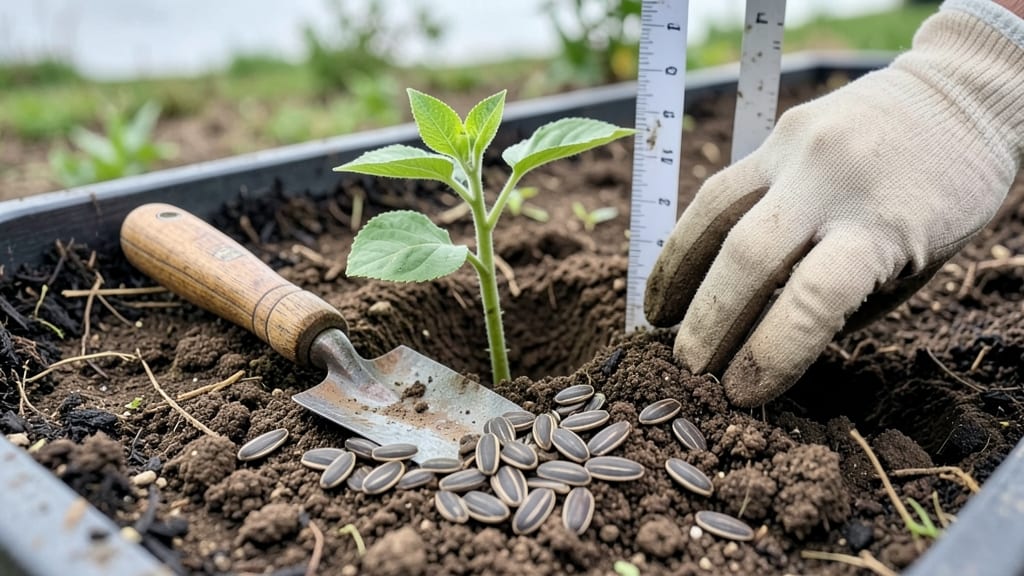
The ideal sunflower seed planting depth by seed type
Getting the sunflower seed planting depth just right is the difference between sturdy, towering stems and weak, leggy seedlings that flop before they bloom. Sunflowers are surprisingly sensitive to how deep you bury their seeds—too shallow, and they’ll dry out; too deep, and they’ll struggle to reach sunlight.
The ideal depth depends on your sunflower variety, soil conditions, and even the time of year you’re planting.
Most gardeners swear by the 1-inch rule as a starting point, but dwarf varieties and giant heirlooms have slightly different needs. For example, Mammoth sunflower seeds (like 'Russian Giant') need slightly shallower planting than dwarf varieties (like 'Teddy Bear') to prevent rot.
Let’s break down the exact measurements and what else affects germination success.
Soil temperature is just as critical as depth—sunflower seeds won’t sprout until the soil reaches at least 55°F (13°C). Cold soil can cause seeds to rot before they germinate, while consistent moisture (not soggy) helps them push through the soil. If you’re planting in spring, wait until nighttime temperatures stay above 50°F (10°C) to avoid delays.
Soil type also plays a role. Sandy soil drains faster, so you can plant seeds slightly deeper (1.25 inches) without risking drying out. Clay-heavy soil holds moisture longer, so stick to the 1-inch mark to prevent rot. Amending your soil with compost before planting ensures better drainage and aeration, which directly impacts seedling strength.
Here’s a quick reference for the perfect planting depth by sunflower type, along with soil and climate factors to consider:
Once you’ve planted your seeds at the right depth, consistent moisture is key. Water gently but thoroughly after planting to settle the soil around the seeds, then keep the area moist (not soggy) until germination.
A light mulch of straw or shredded leaves helps retain moisture and regulate soil temperature, which speeds up sprouting.
If you’re planting in containers or raised beds, use a well-draining potting mix and plant seeds 0.5 inches deeper than in garden soil. Containers dry out faster, so monitor moisture closely.
For direct sowing in gardens, loosen the soil to a depth of 6 inches before planting to encourage root growth and prevent compaction.
Watch for seedling emergence in 5–14 days, depending on soil temperature. Once sprouts appear, thin seedlings to 12–18 inches apart for standard varieties or 6–12 inches for dwarfs to give them room to grow.
Thin early to avoid competition for nutrients and sunlight, which leads to weaker stems and smaller blooms.
Pro tip: If you’re planting in late summer for fall blooms, use black plastic mulch to warm the soil faster. This helps giant varieties like 'Russian Giant' germinate sooner in cooler months. Just remove the mulch once seedlings emerge to prevent overheating.
Remember, depth isn’t the only factor—sunflowers also need full sun (6+ hours daily) and well-draining soil to thrive. With the right planting depth and care, you’ll be rewarded with sunflowers that reach their full potential
5 Common mistakes that ruin sunflower germination (and how to fix them)
Even the most enthusiastic gardeners can accidentally sabotage their sunflower seeds before they ever sprout. Incorrect planting depth is one of the biggest culprits, but it’s not the only mistake. Overcrowding, uneven moisture, and compacted soil can all derail your sunflower dreams before they begin.
The good news? These problems are easy to spot—and even easier to fix once you know what to look for.
I’ve seen firsthand how a few simple adjustments can turn failed sunflower patches into thriving gardens. The key is understanding how each mistake affects germination and what your seeds truly need to break through the soil successfully.
Let’s tackle the most common pitfalls and get your sunflowers off to a strong start.
⚠️ Planting Depth Warning
Sunflower seeds need to be planted 1 inch deep—no deeper, no shallower. Planting too deep (over 1.5 inches) smothers seedlings, while planting too shallow (½ inch) leaves them vulnerable to drying out. Use your finger to create a small furrow, place the seed, then cover it with soil—lightly pat it down to avoid gaps.
One of the most frustrating mistakes is over-planting seeds too closely together. Many gardeners assume more seeds mean more sunflowers, but crowded seedlings compete for sunlight, nutrients, and space. This leads to weak stems that flop over or fail to reach their full height.
The fix? Space seeds 6-12 inches apart, depending on the variety, and thin seedlings to the strongest 3-4 plants per square foot once they’re a few inches tall.
Compacted soil is another silent killer of sunflower germination. When soil is too dense, seeds struggle to push through, and roots can’t establish properly. If your garden bed feels hard when pressed, it’s time to loosen the soil with a fork or tiller before planting.
Adding compost or organic matter improves drainage and gives young roots the room they need to grow. A quick test: If you can’t easily push a finger 2 inches into the soil, it’s too compacted.
Incorrect moisture levels can also derail your sunflowers before they sprout. While sunflowers are drought-tolerant once established, their seeds need consistent moisture to germinate. Planting in dry soil and forgetting to water regularly leaves seeds high and dry. Keep the soil evenly moist (not soggy) by watering 1 inch per week, and use mulch to retain moisture. A simple trick: Water the soil before planting, then check daily until sprouts appear.
Finally, seedling diseases often stem from poor planting practices, like burying seeds too deep or overwatering. Fungal issues like damping-off can wipe out entire batches of seedlings if the soil stays too wet.
To prevent this, ensure proper airflow by spacing seeds correctly and watering at the base of the plant (not overhead). If you notice blackened stems or mold, remove affected seedlings immediately and improve drainage in the area.
With these fixes in mind, your sunflower seeds will have the best chance to sprout strong and healthy. Remember, the right depth, spacing, and care make all the difference—so don’t let these common mistakes steal your sunflower success! 🌻