
Blooming
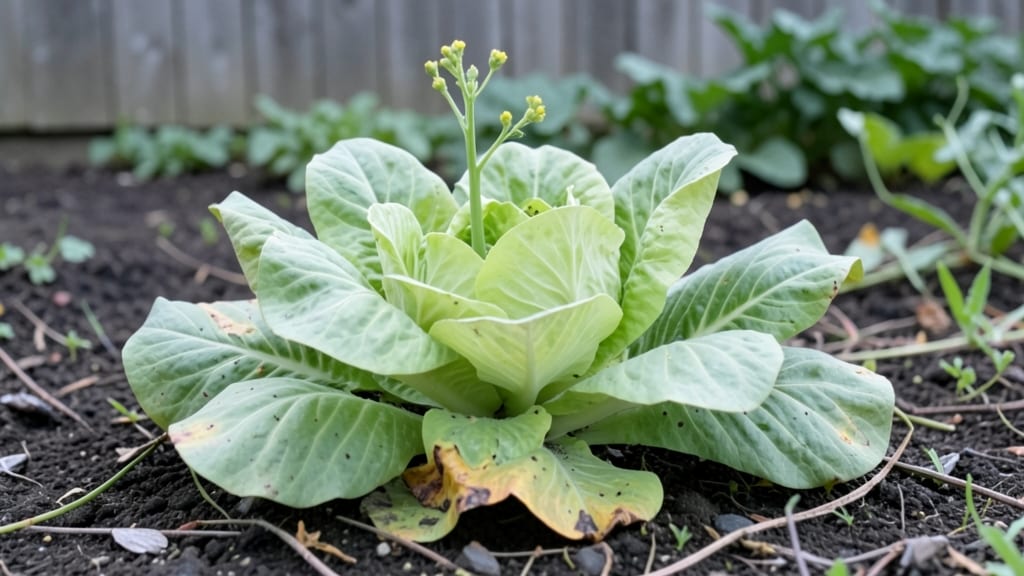
Buttercrunch lettuce flowering early turns crisp, sweet leaves into bitter stems—fast. I’ve seen this happen in my own garden when summer heat sneaks up too soon, and the solution isn’t as complicated as it seems.
The key is understanding what triggers this change and how to slow it down before your plants turn into seed producers.
Long daylight hours and warm soil are the usual culprits, but even the right variety can bolt if planted at the wrong time. Buttercrunch lettuce, in particular, is sensitive to heat, so adjusting when you sow or using shade cloth can buy you weeks of harvestable leaves.
I’ve kept plants producing for 6+ weeks longer by making just a few simple adjustments.
The good news? You can still salvage flowering plants—either by harvesting the outer leaves or letting them go to seed for next year’s crop.
The trick is acting fast: once those flower stalks appear, the lettuce’s focus shifts from leaves to seeds, but with the right approach, you can stretch its useful life. Here’s how to keep your Buttercrunch lettuce crisp and productive.
This works for both spring and fall plantings, though summer heat is the biggest challenge. If you’ve already got bolting plants, don’t toss them—there’s still value in those leaves and seeds. Let’s turn this setback into a learning opportunity for your next crop.
Why Your Buttercrunch Lettuce Flowers Prematurely
If your crisp, buttery Lactuca sativa (Buttercrunch lettuce) is sending up tall, bitter flower stalks before you’re ready to harvest, you’re not alone. This common issue can turn your salad greens into a sad, seedy disappointment—but understanding the root causes (pun intended) puts you back in control.
Let’s break down the science behind why your lettuce bolts, so you can prevent it like a pro.
⏳ Short days & long nights trigger bolting
Buttercrunch lettuce is a cool-season crop, meaning it’s genetically programmed to bolt (flower) when days get too long or temperatures rise. Here’s the science:
- Daylength sensitivity: Most varieties are long-day plants, which detect increasing daylight (14+ hours) as a signal to flower. If your lettuce experiences sudden warm weather or extended sunlight (like spring or fall transitions), it’ll shift from leaf production to seed-making mode.
- Thermal time accumulation: Lettuce tracks heat units (degree-days) over time. Once it hits ~600–800 degree-days (calculated as daily avg. temp minus 40°F, summed over time), it’s game over—bolting is inevitable.
- Actionable fix:
- ✅ Plant in partial shade (30–50%) during hot months to delay daylight exposure.
- ✅ Use shade cloth (30–40%) if temps climb above 75°F (24°C).
- ✅ Choose heat-tolerant varieties like ‘Jericho’ or ‘Black Seeded Simpson’ for extended harvest windows.
🌡️ Heat stress forces early flowering
Lettuce is a wimp in the heat. When soil or air temps creep above 80°F (27°C), metabolic chaos ensues:
- Enzyme disruption: Heat denatures proteins like FT (FLOWERING LOCUS T), a hormone that signals bolting. Instead of growing leaves, the plant redirects energy to reproductive structures.
- Water stress compounding: Hot days + dry soil = osmotic stress, which tricks the plant into thinking it’s time to reproduce (a survival tactic in arid conditions).
- Actionable fix:
- 💡 Mulch heavily (2–3 inches of straw or wood chips) to keep soil temps <65°F (18°C).
- 💡 Water deeply at dawn (1–1.5 inches weekly) to prevent wilting.
- 💡 Avoid overhead watering—wet foliage + heat = fungal risks that weaken the plant.
🌱 Overcrowding starves your lettuce
When lettuce plants compete for nutrients, light, and space, they prioritize survival over leafy growth. Here’s how it plays out:
- Resource diversion: Overcrowded lettuce detects competition stress and may bolt as a last-ditch effort to produce seeds (even if poorly).
- Nutrient imbalance: Too much nitrogen (from over-fertilizing) can delay bolting, but lack of potassium or phosphorus accelerates it by weakening the plant’s structural integrity.
- Actionable fix:
- 🔥 Space seedlings 8–12 inches apart (thin or transplant early!).
- 🔥 Side-dress with compost at planting and mid-growth for balanced nutrients.
- 🔥 Avoid high-nitrogen fertilizers (like blood meal)—opt for 5-10-10 or compost tea instead.
🌱 Age & maturity kickstarts flowering
Lettuce has a finite harvest window. Once it reaches a certain age or size, bolting becomes inevitable—even in perfect conditions. Here’s the timeline:
| Variety | Days to Maturity | Bolting Risk Window |
|---|---|---|
| Buttercrunch (e.g., ‘Bibb’) | 50–60 days | Day 45+ (high risk) |
| Loose-leaf types | 30–40 days | Day 35+ (rapid bolting) |
| Romaine | 60–70 days | Day 55+ (slower but sure) |
Why it matters: Lettuce’s vernalization genes (cold sensitivity) and thermosensory pathways work together to time flowering. If you miss the harvest window, the plant will bolt regardless of other conditions.
Actionable fix:
- ✨ Succession plant every 2–3 weeks for a continuous harvest.
- ✨ Harvest outer leaves first to delay bolting in the center.
- ✨ Use row covers to extend the growing season by 2–4 weeks.
How to solve it
When your crisp buttercrunch lettuce starts sending up flower stalks before you’re ready to harvest, it’s not just a cosmetic issue—it can turn your tender leaves bitter and tough. The good news?
You can often reverse or prevent this with targeted fixes. Below, we break down the most common causes of premature flowering and provide practical, step-by-step solutions to save your crop.
###
🌱 Cause 1: Heat Stress → Move or Shade
Buttercrunch lettuce is a cool-season crop, and when temperatures rise above 75°F (24°C), it triggers flowering as a survival mechanism. If your plants are bolted due to heat, act fast:
- 🔥 Relocate immediately: Shift pots or beds to a cooler spot—like a shaded patio, garage (with ventilation), or under a 30% shade cloth if outdoors. Avoid direct sun until temps drop.
- 💡 Pro tip: Use reflective mulch (like white gravel) around plants to bounce back heat and keep roots cooler.
- 🌡️ Prevent future stress: Start new lettuce in late summer/early fall or opt for heat-tolerant varieties like Jericho or Black Seeded Simpson.
###
🌿 Cause 2: Day Length (Bolting) → Extend Darkness
Long daylight hours (over 14–16 hours) signal lettuce to flower. If your plants bolted due to light exposure:
- 🌃 Cover with black fabric or cardboard: Drape a light-blocking cover over plants from late afternoon to early evening to mimic shorter days. Secure edges to prevent light leaks.
- ⏰ Time it right: Extend darkness for 2–3 weeks to reset growth. Remove covers once temps cool naturally.
- 🎯 Prevention hack: Grow lettuce in partial shade (e.g., under fruit trees) or use row covers during peak daylight hours.
###
💧 Cause 3: Irregular Watering → Consistent Moisture
Fluctuating soil moisture—especially drought followed by sudden water—triggers stress-induced flowering. To correct this:
- 👨🍳 Water deeply 2–3x/week: Aim for 1–1.5 inches of water per week, keeping soil evenly moist (not soggy). Use drip irrigation or soaker hoses for consistency.
- 🥗 Mulch to lock in moisture: Apply 2–3 inches of straw or wood chips around plants to reduce evaporation and temperature swings.
- ✨ Emergency fix: If leaves are already tough, harvest outer leaves immediately and compost the plant to prevent seed spread.
###
🌱 Cause 4: Overcrowding or Poor Soil → Thin & Fertilize
Competition for nutrients or depleted soil can force lettuce to bolt prematurely. Revive struggling plants with these steps:
- 🔪 Thin aggressively: Space remaining plants 12–18 inches apart to improve airflow and reduce stress.
- 🍳 Feed with balanced fertilizer: Use a low-nitrogen (5-10-10) formula or compost tea to replenish nutrients without promoting leafy growth.
- 💡 Soil boost: Mix in aged manure or worm castings to improve texture and nutrient retention.
###
🌡️ Cause 5: Transplant Shock → Support Recovery
If your lettuce bolted after transplanting, it may be struggling to establish roots. Help it recover:
- 🌿 Shield from wind: Use a small windbreak (like a bamboo stake + mesh) to protect delicate leaves.
- 💧 Water at the base: Avoid overhead watering to prevent fungal issues. Use a watering wand for gentle, targeted hydration.
- 🎯 Patience pays off: Monitor plants closely—if they don’t recover in 10–14 days, harvest what you can and replant.
Final Pro Tip: If all else fails, harvest the flower stalks first—they’re edible in salads and can be blanched like celery! Then focus on preventing bolting in your next planting by choosing the right season and variety.
Frequently asked questions
Why does Buttercrunch lettuce flower when it's still young?
Your lettuce flowers prematurely due to long daylight exposure or heat stress. Buttercrunch lettuce is a cool-season crop that detects increasing daylight (over 14 hours) or soil temps above 75°F as signals to flower. This shifts its energy from leaf growth to seed production.
Can I save my lettuce after it starts flowering?
Yes! If your lettuce bolts, you can still harvest the outer leaves for salads before they become bitter. For flower stalks, they’re edible—blanch and slice them like celery. Just don’t wait too long, as the leaves will turn tough.
What’s the best way to prevent Buttercrunch lettuce from flowering?
Use shade cloth (30-50%) during hot months, plant in partial shade, and avoid overcrowding. Water deeply 1-1.5 inches weekly to maintain consistent moisture. Start new plants in late summer/early fall for cooler conditions.
Are some Buttercrunch lettuce varieties less likely to bolt?
Yes! Choose heat-tolerant varieties like Jericho or Black Seeded Simpson, which handle warmer temps better than traditional Buttercrunch. These varieties also have a slightly longer harvest window before bolting.
How does mulching help prevent flowering?
Mulching with 2-3 inches of straw or wood chips keeps soil temps stable below 65°F, reducing heat stress. It also locks in moisture, preventing the drought-to-surge stress that triggers bolting. This simple step can extend your harvest by weeks!