
Blooming
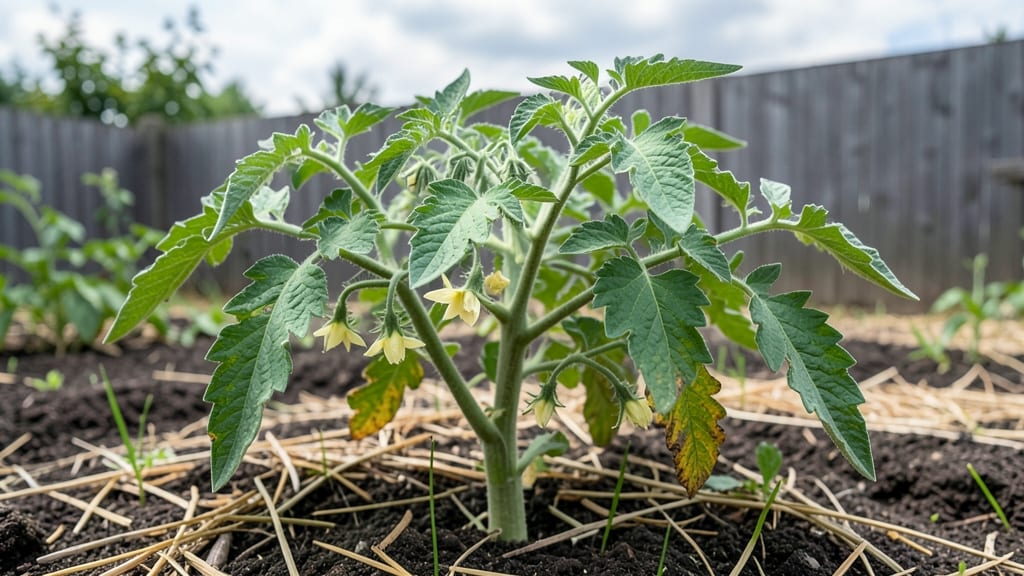
Tomato flowering early can turn your garden dreams into a race against time—unless you know these simple tricks. 🌱 I’ve watched my own plants bolt before they were ready, leaving me with bitter, undersized fruit instead of juicy summer tomatoes.
The good news? You can often adjust care routines to keep plants focused on growth instead of reproduction.
Early flowering happens when tomatoes sense they’re mature enough to fruit, often triggered by warm days, long sunlight, or stress from drought or overcrowding. My biggest breakthrough came when I started monitoring temperature swings—keeping nights cooler than 70°F delayed flowering while still letting plants grow strong.
Pruning suckers and thinning leaves also helps redirect energy to the stems.
With the right adjustments, you’ll end up with plants that stay lush and green for weeks longer, producing bigger, sweeter fruit. I’ve gone from tiny, mealy tomatoes to vine-ripened beauties by simply adjusting watering, pruning, and shade cloth use. The key is patience—letting plants grow taller before they flower.
This works for both greenhouse and outdoor tomatoes, though container growers may need extra attention to temperature control. Once you master the balance, you’ll have tomatoes that flower when you want them to—not too soon. Let’s fix this together!
Why it happens
If your tomato plants are sending out flowers before you’re ready, it’s usually a sign that something in their environment—or even their genetics—is pushing them into flowering mode too soon. Understanding these triggers helps you adjust care strategies to delay blooms and maximize fruit production. Here’s why it happens:
🌡️ Temperature Fluctuations & Heat Stress
Tomatoes are tropical plants at heart, and they respond to temperature shifts with surprising speed. When daytime temps soar above 85°F (29°C)—especially if nights stay warm—your plant may interpret this as a signal to reproduce now rather than later.
This is a survival tactic: in the wild, hot climates mean shorter growing seasons, so plants rush to set fruit before conditions worsen.
Even cold snaps followed by sudden warmth can trigger early flowering. For example, if your seedlings experience 50°F (10°C) nights for a few days, then temperatures spike to 75°F (24°C) during the day, the plant may panic and bolt (send up flowers) to avoid potential frost damage.
Actionable fix: Use shade cloth (30-50%) during peak afternoon heat to keep temps below 80°F (27°C). For nighttime warmth, consider row covers or even a simple frost blanket if temps drop unexpectedly.
🌱 Genetic Predisposition & Variety Traits
Not all tomatoes are created equal—and some varieties are hardwired to flower early. Determinate tomatoes (like Roma or Celebrity) are bred to produce a single flush of flowers and fruit, often maturing quickly.
Indeterminate types (like Sungold or Beefsteak) grow continuously but may still bolt early if they sense stress or ideal conditions.
Even within the same variety, day length sensitivity plays a role. Some tomatoes (called short-day plants) need 12+ hours of darkness to trigger flowering. If your region has long summer days (14+ hours of light), these varieties may flower prematurely.
Actionable fix: Choose indeterminate varieties for extended harvests. If you’re in a short-day region, opt for varieties labeled as day-neutral (e.g., Cherry Tomatoes or Black Krim). For existing plants, prune early flowers to redirect energy to foliage growth.
💧 Watering & Nutrient Imbalances
Tomatoes are thirsty plants, and inconsistent watering—whether underwatering or overwatering—can send them into early flowering mode. Here’s how:
- Underwatering: When roots struggle to access moisture, the plant perceives drought stress and accelerates its reproductive cycle to produce seeds before dying. This is why you might see flowers appear after a heatwave without rain.
- Overwatering: While it seems counterintuitive, excessive moisture (especially in cool weather) can suffocate roots and trigger stress hormones like ethylene, which prompt flowering.
- Nitrogen deficiency: If your soil lacks nitrogen (N), the plant prioritizes reproductive growth over leafy, vegetative growth. This often happens in poor or depleted soil or if you’re using low-quality compost.
Actionable fix:
- Water deeply 1-2 times per week (1-2 inches per week) and keep soil consistently moist but not soggy.
- Test your soil’s pH (6.0-6.8 is ideal) and amend with balanced fertilizer (e.g., 10-10-10) or compost to boost nitrogen.
- Avoid high-phosphorus fertilizers (like 5-10-10) early in the season, as phosphorus promotes flowering.
🌅 Light Exposure & Day Length
Tomatoes are photoperiod-sensitive, meaning they respond to the length of daylight they receive. In regions with long summer days (14+ hours of sunlight), some varieties may interpret this as a signal to bolt early, especially if they’re already stressed.
Additionally, insufficient light (e.g., plants shaded by taller crops or structures) can weaken the plant, causing it to flower prematurely as a last-ditch effort to reproduce. This is common in container-grown tomatoes or those near fences/walls.
Actionable fix:
- Ensure your plants get 6-8 hours of direct sunlight daily. Rotate containers weekly for even exposure.
- If using shade cloth, limit it to 30% shade max during the hottest hours (11 AM–3 PM).
- For indoor growers, use grow lights to extend daylight to 14-16 hours if your variety is sensitive.
🌿 Transplant Shock & Stress Factors
Moving tomato seedlings from a nursery pot or greenhouse to your garden can be a huge shock. The sudden change in light, temperature, or soil conditions triggers stress hormones, including abscisic acid (ABA), which can accelerate flowering as a survival mechanism.
Other stressors include:
- Root disturbance during transplanting.
- Pest damage (e.g., aphids, spider mites) sapping energy.
- Soil-borne diseases (like Fusarium wilt) weakening the plant.
Actionable fix:
- Hardening off seedlings 7-10 days before transplanting by gradually exposing them to outdoor conditions.
- Use mycorrhizal fungi or compost tea to boost root health post-transplant.
- Inspect plants weekly for pests and treat with neem oil or insecticidal soap if needed.
How to solve it
Early flowering can be frustrating, but with the right adjustments, you can redirect your tomato plant’s energy toward stronger growth and a more productive harvest. Below are practical, step-by-step solutions tailored to the most common causes of premature blooming—plus tips to prevent it next season.
🌱 Fix Overcrowding: Give Roots Room to Breathe
If your plants are competing for nutrients and space, they’ll bolt (flower) early to reproduce. Solution:
- 🔥 Thin seedlings when they’re 2–3 inches tall, leaving only the strongest 1–2 plants per pot or row.
- 🍳 Repot or transplant crowded plants into larger containers (at least 12–18 inches deep) or a well-spaced garden bed (18–24 inches apart for indeterminate varieties).
- ⏰ Monitor growth—if new leaves appear yellow or stunted, roots are still cramped.
💡 Prevention tip: Start seeds in small pots, then transplant to larger ones before they get root-bound.
☀️ Adjust Light Exposure: Trick Plants Into Staying Vegetative
Tomatoes need 12+ hours of sunlight daily, but too much heat or long daylight hours can trigger early flowering. Solution:
- 👨🍳 Move plants to a shadier spot (e.g., under a 30% shade cloth) for 2–3 weeks if temps exceed 85°F (29°C).
- 🥘 Use reflective mulch (white plastic or aluminum foil) to bounce light away from leaves during peak sun.
- ✨ Extend darkness in greenhouses by covering plants with a black tarp for 2–3 hours after sunset (tricks them into thinking nights are longer).
🌡️ Prevention tip: Choose heat-tolerant varieties like ‘Solar Fire’ or ‘Heatmaster’ if your climate is hot.
💧 Manage Watering: Avoid Stress-Induced Flowering
Fluctuating moisture levels can stress plants into flowering early. Solution:
- 🔥 Water deeply 1–2 times per week (1–2 inches per week), keeping soil consistently moist but not soggy.
- 🍳 Use drip irrigation or soaker hoses to deliver water at the base—avoid wetting leaves to prevent disease.
- ⏰ Mulch heavily (2–3 inches of straw or wood chips) to retain moisture and stabilize soil temps.
🎯 Prevention tip: Never let soil dry out completely—even once. Wilting triggers stress hormones that speed up flowering.
🌡️ Control Temperature Swings: Keep Plants Comfortable
Cold nights or sudden heat spikes can shock tomatoes into flowering. Solution:
- 🔥 Use row covers (floating fabric) for young plants in spring to protect against below-50°F (10°C) temps.
- 🍳 Set up shade cloth (30–50%) if daytime temps hit 90°F (32°C)+ for extended periods.
- 🥘 Move potted plants to a sheltered spot (like a garage or basement) if night temps drop below 55°F (13°C).
💡 Prevention tip: Hardening off seedlings gradually (acclimating them to outdoor conditions over 7–10 days) reduces shock.
🌿 Prune Strategically: Redirect Energy to Growth
Pruning removes early flowers and encourages leafy, vegetative growth—but do it correctly. Solution:
- 🔥 Pinch off flowers when they’re still small (pea-sized) using clean fingers or scissors.
- 🍳 Prune suckers (side shoots in the leaf axils) to 6–8 inches tall—this focuses energy on the main stem.
- ⏰ Stop pruning 2–3 weeks before your first expected frost to let plants mature.
✨ Pro tip: Save the first few flowers if your variety is determinate (bush-type), as they’ll produce early fruit—but remove them from indeterminate (vining) types.
🌱 Nutrient Tweaks: Feed for Growth, Not Flowers
Too much phosphorus (P) or potassium (K) can encourage flowering. Solution:
- 🔥 Switch to a high-nitrogen fertilizer (like 10-5-5 or fish emulsion) when plants are young.
- 🍳 Avoid bone meal or compost-heavy mixes early in the season—these are high in P.
- 🥘 Test soil pH (aim for 6.0–6.8)—acidic soil can cause nutrient imbalances.
🎯 Prevention tip: Side-dress with nitrogen-rich amendments (like blood meal) every 3–4 weeks during the vegetative stage.
🚜 Adjust Planting Time: Avoid Early Heat Stress
If you planted too early, your tomatoes may have already experienced heat or cold stress. Solution:
- 🔥 Start seeds indoors 6–8 weeks before your last frost date (use grow lights if natural light is weak).
- 🍳 Wait until soil is 60°F (15°C)+ before transplanting outdoors.
- ⏰ Use black plastic mulch to warm soil faster in cool climates.
💡 Prevention tip: Check your USDA hardiness zone and plant after the average last frost—not the earliest possible date.
🌿 Last Resort: Defoliate (If Necessary)
If all else fails, removing lower leaves can help redirect energy—but use this sparingly. Solution:
- 🔥 Prune off leaves below the first flower cluster (but leave some foliage for photosynthesis).
- 🍳 Avoid removing more than 1/3 of the plant at once to prevent shock.
- ⏰ Do this in late afternoon to reduce stress on the plant.
⚠️ Warning: Over-pruning can weaken plants—use this only if flowering is extreme and stunting growth.
📅 Season-Long Maintenance Checklist
| Task | When to Do It | Why It Helps |
|---|---|---|
| Thin seedlings | 2–3 weeks after germination | Prevents competition for nutrients |
| Prune suckers | Weekly (indeterminate) | Encourages stronger main stems |
| Fertilize with nitrogen | Every 3–4 weeks | Promotes leafy growth over flowers |
| Monitor soil moisture | Daily (especially in heat) | Prevents stress-induced flowering |
| Adjust shade/cloth | When temps exceed 85°F | Protects from heat stress |
🌟 Final Thought: Early flowering isn’t always bad—some varieties (like cherry tomatoes) can handle it. But if you’re growing heirlooms or large slicers, these fixes will help you delay blooms, boost yields, and enjoy a longer harvest season. Try one or two strategies this year and watch your plants thrive! 🍅💪
Frequently asked questions
Why do my tomato plants flower so early, even when they’re small?
Early flowering often happens when tomatoes sense ideal growing conditions—like warm temperatures or long daylight hours—and interpret it as a signal to reproduce. This can also occur due to stress from transplant shock, inconsistent watering, or genetic traits in certain varieties. Indeterminate types (like Beefsteak) may bolt early if they’re healthy and thriving, while determinate varieties (like Roma) are bred to flower quickly.
Can I remove early flowers to help my tomato plant grow bigger?
Yes! Pinching off early flowers—especially on indeterminate varieties—redirects energy to leaf and stem growth instead of fruit production. Start by removing flowers when they’re still small (pea-sized), and focus on pruning suckers too. This gives your plant time to develop a stronger structure before flowering again.
How does temperature affect early flowering in tomatoes?
Tomatoes are sensitive to temperature swings! Sudden heat above 85°F or cold snaps followed by warmth can trigger early flowering. To prevent this, use shade cloth during peak heat and protect young plants with row covers if nights drop below 55°F. Keeping temperatures stable helps delay blooms and encourages healthy growth.
Will pruning my tomato plant too much harm it?
Pruning is safe if done correctly—remove no more than 1/3 of the plant’s foliage at once to avoid stress. Focus on pinching suckers and early flowers, but leave enough leaves for photosynthesis. Stop pruning 2-3 weeks before frost to let your plant mature and set fruit.
What should I do if my tomato plants are flowering early but I’m in a short-day region?
Choose day-neutral varieties like Cherry Tomatoes or Black Krim, which aren’t as sensitive to daylight hours. If your plants are already flowering, prune early blooms and extend darkness with a black tarp for 2-3 hours after sunset to trick them into staying vegetative longer.