
Planting
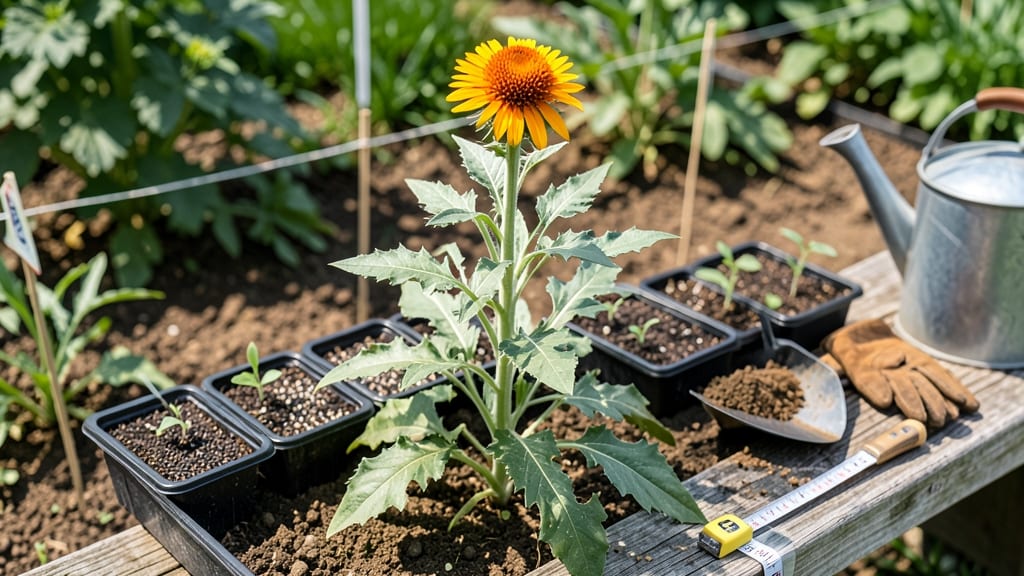
To plant safflower successfully, start with seeds ¼-inch deep in well-draining soil and space them 12-18 inches apart—this sets the stage for strong, healthy plants that reward you with vibrant blooms 🌼 and versatile seeds.
Safflower isn’t just a beautiful ornamental plant—it’s a hardy, low-maintenance crop with edible seeds and medicinal benefits, but planting it wrong can mean wasted effort. Follow these expert-approved techniques to ensure your safflower thrives from seed to harvest.
You’ll need full sun (at least 6 hours daily), minimal fuss with watering, and a few key tricks to avoid common pitfalls like fungal rot or leggy growth. Whether you’re growing it for oil, culinary uses, or simply to brighten your garden, the right approach makes all the difference.
In this guide, I’ll walk you through every step, from soil prep to sunlight secrets, so you can enjoy a bountiful harvest of 3-5-foot-tall safflowers by July—no green-thumb experience required.
Optimal safflower planting depth, spacing, and soil requirements
Safflower thrives when planted with precision—too deep or too shallow can stunt germination, while poor soil or wrong spacing reduces yields. Mastering these three factors ensures your safflower grows tall, vibrant, and productive.
Let’s break down the exact conditions for success, from seed depth to soil pH, so you can avoid common pitfalls.
First, the planting depth is critical: safflower seeds need to be sown ¼ inch deep in the soil. Planting them too deep risks rot, while shallow planting can leave them vulnerable to drying out or bird damage.
Use your finger to create a small furrow, place the seeds gently, then cover them with fine soil. This delicate balance sets the stage for strong germination.
Spacing matters just as much as depth—safflower plants need room to grow. Space seeds 12-18 inches apart in rows that are 24-36 inches apart. This spacing prevents overcrowding, which can lead to fungal diseases like powdery mildew and reduces airflow. If you’re growing safflower for seeds, wider spacing (up to 24 inches apart) gives each plant more energy to produce larger, healthier blooms.
Now, let’s talk soil requirements. Safflower prefers well-draining soil with a slightly alkaline pH between 6.5 and 7.5. Heavy clay soils can suffocate roots, while sandy soils may not retain enough moisture.
Amend your soil with compost or aged manure to improve texture and fertility. If your soil is too acidic, add lime to adjust the pH before planting.
If your soil is too acidic, conduct a pH test using a soil kit (available at garden centers) and add pelletized lime 2-3 months before planting. For sandy soils, mix in peat moss or coconut coir to retain moisture.
In clay-heavy soils, incorporate sand or perlite to improve drainage. These adjustments ensure your safflower’s roots can thrive without stress.
Another common issue is compacted soil, which restricts root growth. Before planting, loosen the soil to a depth of 6-8 inches using a garden fork or tiller. This aeration encourages deeper root penetration, leading to stronger plants.
If you’re planting in containers, use a mix of potting soil and perlite to mimic well-draining garden conditions.
Safflower also benefits from a warm soil temperature for germination. Wait until the soil reaches at least 55°F (13°C) before sowing seeds. In cooler climates, consider using black plastic mulch to warm the soil faster.
This simple trick can speed up germination by 5-7 days, giving your safflower a head start in the growing season.
For those in USDA Zones 3-5, plant safflower seeds indoors 4-6 weeks before the last frost and transplant seedlings outdoors after the soil warms. In warmer zones (6-10), direct sow seeds in early spring or late summer to avoid extreme heat stress.
Always check your local frost dates to time planting perfectly.
Finally, avoid planting safflower in soil where sunflowers or other composites grew the previous year. These plants share similar pests and diseases, like cucumber beetles or powdery mildew. Rotate crops to keep your garden healthy and productive.
With the right depth, spacing, and soil conditions, your safflower will reward you with vibrant blooms and bountiful seeds.
🌱
Step-by-step safflower planting process for beginners
Timing is everything when planting safflower seeds. In USDA zones 6-9, aim for spring planting (after your last frost date, typically April-May) or fall planting in mild climates (6-8 weeks before first frost).
Safflowers grow best in warm soil (60°F+), so avoid early spring planting unless you use a seedling heat mat.
Before sowing, prepare your garden bed by removing weeds and loosening soil to a depth of 12 inches. Safflowers prefer well-draining soil with a slightly alkaline pH (6.5-7.5).
If your soil is heavy clay, mix in compost or sand to improve drainage. Test your soil's pH using a garden soil test kit and amend if needed.
How to Plant Safflower Seeds
- 1 Choose your location: Select a sunny spot with 6+ hours of direct sunlight. Safflowers won't thrive in shade.
- 2 Sow seeds: Plant safflower seeds ½ inch deep and 12-18 inches apart in rows spaced 24-30 inches apart. For small gardens, consider container growing with 12-inch pots.
- 3 Water gently: After planting, water lightly but thoroughly to settle soil. Avoid overwatering, which can cause seed rot. Keep soil moist but not soggy until germination.
- 4 Apply mulch: Spread 2-3 inches of organic mulch (straw or shredded leaves) around plants to retain moisture and suppress weeds. Keep mulch 2 inches away from stems to prevent fungal diseases.
- 5 Monitor germination: Safflower seeds typically sprout in 7-14 days. Once seedlings emerge, thin to 12-18 inches apart if overcrowded. Use scissors to avoid disturbing roots.
After planting, water deeply once a week (about 1 inch of water) to encourage deep root growth. Safflowers are drought-tolerant once established, so avoid frequent shallow watering, which promotes weak stems. Water in the early morning to reduce fungal risks and allow foliage to dry quickly.
To prevent early wilting, avoid working the soil around young plants. Safflowers have sensitive root systems, so mulch heavily to lock in moisture and regulate soil temperature. If your area experiences hot summers, provide light shade during peak afternoon heat to protect young plants.
With proper planting and care, your safflower plants will reward you with vibrant blooms and nutrient-rich seeds in just 3-5 months. Remember, patience is key—safflowers grow quickly but need consistent conditions to thrive. Happy planting! 🌼