
Flowers
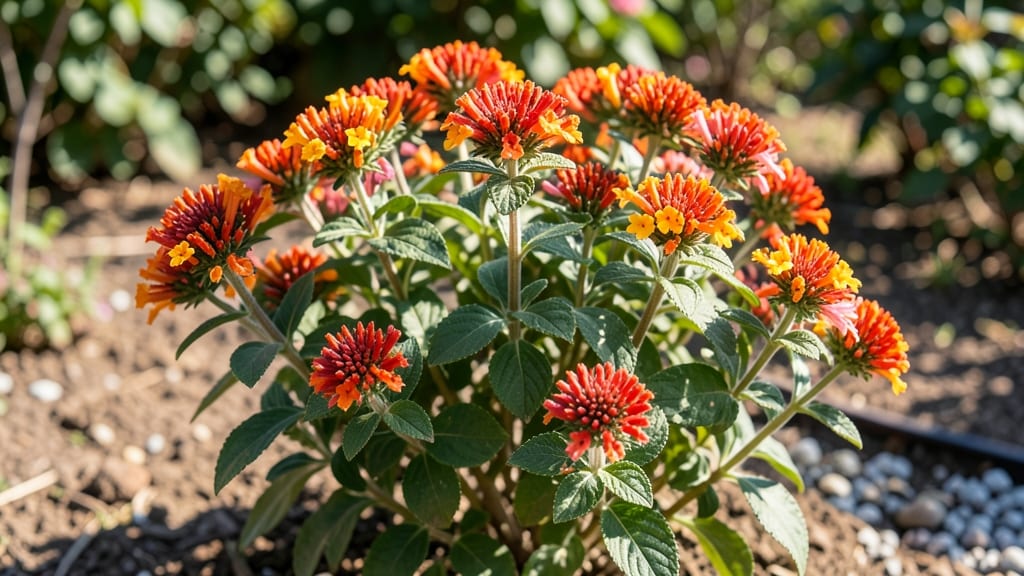
Lantana flowers attract butterflies with their vibrant clusters, turning your garden into a buzzing pollinator paradise 🌸.
Watching a butterfly land on your lantana isn’t just a delightful sight—it’s a sign your garden is thriving as a pollinator paradise. But did you know lantana can attract over a dozen butterfly species if planted and maintained correctly?
These hardy shrubs thrive in General (Tropical/Subtropical Regions), offering year-round blooms that draw in species like Gulf Fritillaries and Monarchs with their rich nectar and bright colors.
In this guide, I’ll share planting hacks to maximize butterfly visits, from companion plants to seasonal care, so your lantana becomes the ultimate butterfly hotspot.
Why lantana flowers are a butterfly magnet (and how to maximize their appeal)
Watching a butterfly land on your lantana flowers isn’t just a delightful sight—it’s a sign your garden is thriving as a pollinator paradise. Lantana’s vibrant blooms and rich nectar production make it a top choice for butterflies, but its appeal goes beyond just color.
The scientific secrets behind lantana’s butterfly magnetism lie in its color spectrum, scent profile, and flower structure, all designed to attract pollinators. Understanding these factors lets you create a garden that buzzes with activity year-round.
Butterflies are drawn to lantana’s clustered flower heads that offer easy access to nectar, while the plant’s long blooming season (often spring through fall) provides a reliable food source.
The bright colors—ranging from yellow and orange to pink and purple—are visible even from a distance, signaling to butterflies that food is nearby. For gardeners, this means strategic planting and maintenance can turn your lantana into a butterfly hotspot, attracting species like the Gulf Fritillary and Monarch.
To maximize lantana’s appeal, focus on three key strategies: pruning techniques that encourage dense blooms, companion planting with other butterfly favorites, and seasonal care that keeps the plant healthy and blooming.
Even small adjustments—like avoiding pesticides or providing shallow water sources—can make a big difference in how many butterflies visit your garden. Let’s dive into the science and actionable tips to turn your lantana into a butterfly magnet.
| Butterfly Appeal Factor | Why It Matters | How to Enhance It |
|---|---|---|
| Nectar Richness | High sugar content attracts butterflies from afar | Use balanced fertilizer (10-10-10) every 4-6 weeks |
| Color Spectrum | Bright hues (yellow, orange, pink) are highly visible | Plant multiple lantana varieties for diverse colors |
| Scent Profile | Subtle fragrance guides butterflies to flowers | Avoid strong-smelling pesticides near plants |
| Flower Structure | Clustered blooms offer easy landing and feeding | Prune lightly after blooming to encourage new growth |
| Blooming Season | Long season (spring-fall) provides consistent food | Deadhead spent blooms to extend flowering period |
The nectar richness of lantana flowers is one of the biggest draws for butterflies. Studies show that lantana’s nectar contains high sugar concentrations, which provides energy for migrating butterflies like the Monarch.
To boost nectar production, use a balanced fertilizer (like 10-10-10) every 4-6 weeks during the growing season. This ensures your lantana stays vigorous and produces abundant blooms. Avoid over-fertilizing, though, as it can lead to excessive foliage growth at the expense of flowers.
Lantana’s color spectrum is another secret weapon. Butterflies see ultraviolet light, and lantana’s bright hues—especially yellow, orange, and pink—create patterns that guide them to the flowers. Planting multiple lantana varieties in your garden increases the visual appeal and attracts a wider range of butterfly species.
For example, a mix of Lantana camara and Lantana montevidensis can create a vibrant display that butterflies can’t resist.
Don’t underestimate the power of companion planting. Pairing lantana with other butterfly-friendly plants like milkweed (for Monarchs) or passionflower (for Gulf Fritillaries) creates a pollinator buffet. These plants provide both nectar and host plants for caterpillars, ensuring a complete lifecycle for butterflies in your garden.
Place lantana near these companions to create a connected habitat that butterflies will explore thoroughly.
Seasonal care is crucial for keeping your lantana blooming and attractive to butterflies year-round.
In spring, focus on light feeding to encourage new growth, while in summer, maintain consistent watering to prevent stress. Deadheading spent blooms in late summer can extend the flowering season into early fall, providing late-season nectar for migrating butterflies.
In cooler climates, consider overwintering lantana in containers and bringing it indoors or to a sheltered spot.
Pruning is another key technique to maximize butterfly appeal. Lightly prune your lantana after the first flush of blooms to encourage bushier growth and more flowers. Avoid heavy pruning, as it can remove too many blooms and reduce the plant’s ability to attract butterflies.
If your lantana becomes overgrown, prune back by one-third in early spring to shape it and promote new growth. Always use clean, sharp pruners to avoid damaging the plant.
Finally, avoid common pitfalls that can repel butterflies, such as
10+ Butterfly species you’ll attract to lantana (and how to identify them)
Your lantana flowers aren’t just pretty—they’re a butterfly buffet! These hardy plants produce nectar-rich blooms that lure over a dozen species, from the iconic Monarch to the vibrant Gulf Fritillary. The key is recognizing which butterflies visit your garden and what they love about your lantana.
Let’s dive into the top 10+ species you’ll spot sipping nectar, plus how to tell them apart.
Butterflies don’t just choose lantana randomly—they’re drawn to its bright colors, sweet fragrance, and continuous blooming. Some species, like the Painted Lady, are migratory and rely on lantana as a stopover fuel source.
Others, such as the Clouded Sulphur, prefer its yellow and orange hues. Understanding their preferences helps you create a butterfly-friendly garden that keeps them returning all season.
Here’s what you need to know to identify these beauties and turn your lantana into a butterfly hotspot:
- 1. Gulf Fritillary – Bright orange wings with black-spotted edges; loves lantana’s orange blooms. Look for them flitting quickly between flowers.
- 2. Monarch – Distinctive black, orange, and white stripes; migrates through lantana patches in spring/fall. Check for clusters on purple blooms.
- 3. Painted Lady – Small, brown with orange tips; highly migratory and abundant. Often seen in large groups on yellow lantana.
- 4. Clouded Sulphur – Pale yellow wings with slightly translucent edges; prefers yellow lantana varieties. Flies slowly and gracefully.
- 5. Red Admiral – Black wings with orange bands; perches on leaves while feeding. Look for them on lantana’s purple blooms.
- 6. Zebra Longwing – Black and white striped wings; endemic to Florida but loves lantana’s nectar. Flies in zigzag patterns.
- 7. Common Buckeye – Eye-spotted orange wings; slow, deliberate flight. Often seen on lantana’s white blooms.
- 8. Variegated Fritillary – Silver-spotted orange wings; prefers shady lantana patches. Look for them early in the morning.
- 9. Eastern Tiger Swallowtail – Yellow with black stripes; large and fast. Visits lantana’s taller varieties.
- 10. Checkered White – Small, white with black spots; abundant in summer. Flies erratically near lantana clusters.
To track these visitors, keep a simple butterfly checklist near your lantana. Note the wing patterns, flight behavior, and time of day they’re most active. For example, Gulf Fritillaries are most visible in late morning, while Monarchs prefer afternoon sun.
Regional hotspots? Southern gardens see more Zebra Longwings, while Northern gardens attract Painted Ladies in migration seasons.
Pro tip: Plant lantana varieties with contrasting colors—like yellow, orange, and purple—to attract a wider range of species. A multi-colored lantana bush acts like a butterfly buffet bar, ensuring no visitor goes hungry.
Start with 3-5 plants of different hues to see which butterflies become regulars in your garden.
Once you’ve identified your lantana-loving butterflies, you’ll notice patterns in their visiting habits. Some, like the Monarch, may only stop by during migration, while others, like the Gulf Fritillary, will make your garden their year-round home.
The more you observe, the more you’ll learn to enhance their experience—whether by adding host plants for caterpillars or avoiding pesticides that harm them.
🌸