
Blooming
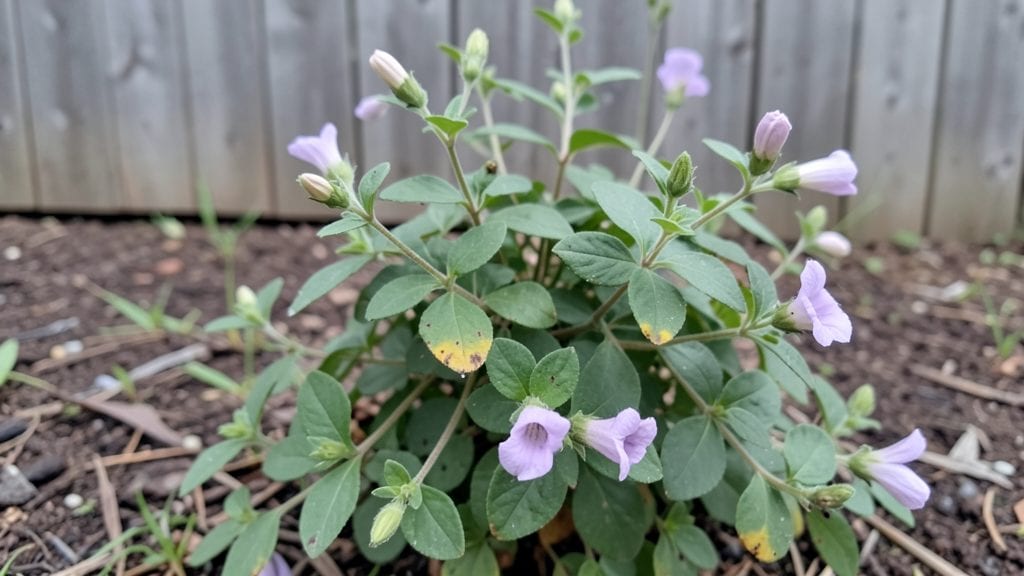
Your calibrachoa might be thriving with leaves but suffering from calibrachoa not flowering, and the fix is simpler than you’d think—just a few tweaks can spark that burst of color. 🌿 I’ve nursed back more than a dozen stubborn calibrachoas by adjusting just a few things, and the results are jaw-dropping: within weeks, those trailing vines explode with flowers.
The key lies in sunlight, food, and a little strategic pruning—none of which takes more than 30 minutes to fix.
Most calibrachoas need 6+ hours of direct sun daily, but too much afternoon heat can stress them into leafy growth instead of blooms. I’ve found that morning sun paired with afternoon shade works best in hot climates, while cooler areas can handle full sun.
Over-fertilizing with nitrogen also sends energy to leaves, not flowers—switch to a low-nitrogen, high-phosphorus bloom booster instead. And don’t skip deadheading spent blooms; it tricks the plant into producing more flowers.
Within 10-14 days of adjusting care, you’ll spot new flower buds forming along the stems. The first blooms might not be as abundant, but each day after that, your calibrachoa will reward you with nonstop color—think cascading waves of pink, purple, or white that last until frost.
The best part? These fixes work for both container-grown plants and in-ground beds, so no matter where your calibrachoas live, they’ll soon be the star of the show.
Here’s the game-changer: if your plant still resists after two weeks, check for root-bound conditions—calibrachoas hate being cramped. Gently loosen roots in containers or divide crowded plants in the ground. A little elbow grease now means months of blooms later, and that’s a trade-off worth making.
Why it happens
When your Calibrachoa (or "million bells") refuses to produce flowers, it’s usually a sign that one or more of its key needs aren’t being met. These plants are finicky but rewarding—once you understand the science behind their flowering habits, you can troubleshoot like a pro.
Let’s break down the most common reasons your Calibrachoa is sitting pretty but not blooming.
###
🌡️ Temperature and Light Struggles
Calibrachoa thrives in warmth and bright light, but push it outside its comfort zone, and it’ll focus on survival instead of blooms. Here’s why:
- Insufficient light: These plants need 6–8 hours of direct sunlight daily. In shady spots, they’ll grow leggy and produce fewer flowers because photosynthesis slows down, reducing energy for blooms. Solution: Move pots to a sunnier location or supplement with a grow light.
- Temperature shocks: Calibrachoa prefers 70–85°F (21–29°C). Below 50°F (10°C) or sudden drops can stunt growth and halt flowering. Solution: Wait until nighttime temps stay above 55°F (13°C) before planting outdoors, and use row covers if frost threatens.
- Heat stress: While they love warmth, consistent temps above 90°F (32°C) can cause buds to drop. Solution: Provide afternoon shade in extreme heat and keep soil moist to help regulate temperature.
###
💧 Water and Nutrient Imbalances
Water and food aren’t just about keeping your plant alive—they’re the fuel for flowers. Get it wrong, and your Calibrachoa will prioritize leaves over blooms.
- Overwatering or poor drainage: Soggy roots can’t absorb nutrients efficiently, leading to weak growth. Solution: Use well-draining soil (mix in perlite or sand) and water only when the top inch of soil is dry. Calibrachoa hates "wet feet."
- Underwatering: Drought stress forces the plant to conserve energy, delaying or stopping flower production. Solution: Water deeply 1–2 times per week, ensuring moisture reaches the root zone.
- Nutrient deficiencies:
Deficiency Symptoms Fix Phosphorus (P) Purple-tinged leaves, stunted growth, no flowers Apply a balanced fertilizer (10-10-10 or 5-10-5) or a bloom booster high in phosphorus. Potassium (K) Weak stems, yellow edges on leaves, poor flower development Use a fertilizer with at least 1% potassium or add wood ash (sparingly). Nitrogen (N) excess Lush green leaves but zero flowers (plant thinks it’s a lawn, not a bloomer!) Switch to a low-nitrogen, high-phosphorus fertilizer (e.g., 5-30-5).
###
✂️ Pruning and Growth Habits
Calibrachoa is a heavy bloomer, but if you’re not managing its growth, it’ll channel energy into foliage instead of flowers. Here’s how pruning plays a role:
- Lack of deadheading: When spent blooms aren’t removed, the plant wastes energy producing seeds instead of new flowers. Solution: Snip off faded blooms daily or every other day to encourage continuous flowering.
- Over-pruning: Cutting back too aggressively can shock the plant and delay blooming. Solution: Trim only spent flowers or leggy stems—avoid heavy shearing.
- Root-bound pots: If roots are circling the container, the plant’s energy goes into escaping the pot, not blooming. Solution: Repot into a slightly larger container (just 1–2 inches wider) with fresh potting mix every 6–8 weeks.
###
🌱 Stress from Transplant or Seasonal Shifts
Plants under stress—whether from moving, pests, or seasonal changes—often pause flowering to recover. Calibrachoa is no exception.
- Transplant shock: Moving plants (even young seedlings) can disrupt root systems, halting flower production for 1–2 weeks. Solution: Harden off seedlings gradually and water deeply after transplanting.
- Pest or disease damage: Aphids, spider mites, or fungal issues (like powdery mildew) drain the plant’s energy. Solution: Inspect leaves regularly and treat with neem oil or insecticidal soap if pests appear.
- Seasonal transition: In early spring or late summer, Calibrachoa may take time to adjust to changing daylight or temps. Solution: Be patient—consistent care will trigger blooms once it acclimates.
Now that you know the science behind Calibrachoa’s flowering fumbles, the next step is action! Adjust one or two of these factors at a time, and you’ll likely see buds popping up in 7–14 days. 🌸
Revive Blooms with These Fixes
If your calibrachoa (or "million bells") is throwing a "no-show" on the flowers, don’t panic—there’s a solution for every cause! Below, we’ve mapped out practical fixes based on the most common reasons, along with prevention tips to keep your plants happy and blooming for seasons to come.
🌱 Too Much Shade? Move to the Light
Problem: Calibrachoa craves full sun (6–8 hours daily). Too little light = leggy stems and zero flowers.
Fix It: 🔥 Relocate your plant to a sunnier spot—even a few extra hours of morning sun can make a difference. 🍳 Use reflective surfaces (like white gravel or mirrors) to bounce extra light onto shaded areas. 👨🍳 Prune leggy stems to encourage bushier growth, which can better capture sunlight.
Prevent It: ✨ Plant in the right spot from the start—avoid deep shade or areas blocked by tall structures. 📊 Monitor light exposure weekly, especially in spring/fall when days shorten.
💧 Overwatering or Underwatering? Find the Sweet Spot
Problem: Too much or too little water stresses plants, halting flower production.
Fix It: 🔥 Check soil moisture—stick your finger 1–2 inches deep. If dry, water; if soggy, hold off. 🥘 Water deeply but less often—aim for 1 inch per week (more in extreme heat). 🔪 Improve drainage—amend heavy soil with perlite or sand to prevent waterlogging.
Prevent It: 🌡️ Use self-watering pots or drip irrigation for consistency. 🎯 Mulch around plants to retain moisture and regulate soil temperature.
🍽️ Wrong Food? Feed for Flowers, Not Foliage
Problem: Too much nitrogen = lush leaves, no blooms. Too little fertilizer = weak growth.
Fix It: 🔥 Switch to a balanced or phosphorus-heavy fertilizer (look for a 5-10-5 or 10-20-10 ratio). 🍳 Apply fertilizer every 2–3 weeks during the growing season (spring to fall). 👨🍳 Flush the soil monthly with water to prevent salt buildup from fertilizers.
Prevent It: 💡 Avoid high-nitrogen feeds (like lawn fertilizers) designed for leafy greens. 🥗 Use slow-release granules for steady nutrition without overfeeding.
🌡️ Temperature or Stress? Shield from Extremes
Problem: Calibrachoa thrives in warmth (60–80°F). Cold snaps, heatwaves, or sudden changes shock them into dormancy.
Fix It: 🔥 Move potted plants indoors (or to a garage) if night temps drop below 50°F. 🥘 Provide shade cloth (30–50%) during scorching afternoons in hot climates. 🔪 Avoid transplant shock—harden off seedlings gradually before moving outside.
Prevent It: 🎯 Choose heat-tolerant varieties (like ‘Superbells’ or ‘Pink Millions’). 🌡️ Use row covers in early spring to protect from late frosts.
🪴 Root-Bound or Crowded? Give Roots Room to Breathe
Problem: Overcrowded roots compete for nutrients, stunting flower production.
Fix It: 🔥 Repot into a slightly larger container (1–2 inches wider) if roots circle the pot. 🍳 Divide root-bound plants in spring, separating clusters gently with clean shears. 👨🍳 Prune back 1/3 of the plant to reduce stress and encourage new growth.
Prevent It: ✨ Repot every 1–2 years or when roots emerge from drainage holes. 📊 Space plants 6–12 inches apart in garden beds for airflow.
🐛 Pests or Disease? Treat Early to Save Blooms
Problem: Aphids, spider mites, or fungal issues drain energy meant for flowers.
Fix It: 🔥 Spray with neem oil or insecticidal soap for soft-bodied pests (aphids, whiteflies). 🥘 Remove affected leaves and dispose of them (don’t compost!) to stop spread. 🔪 Water at the base (not overhead) to prevent fungal diseases like powdery mildew.
Prevent It: 💡 Inspect plants weekly for early signs of pests or discoloration. 🌡️ Encourage beneficial insects (ladybugs, lacewings) with companion plants like marigolds.
🎯 Pro Tip: Combine fixes for best results! For example, relocate to sun + fertilize + prune can reboot a struggling plant in 2–4 weeks. Patience and consistency are key—your calibrachoa will thank you with a nonstop floral show!
Frequently asked questions
Why isn’t my calibrachoa producing flowers despite healthy-looking leaves?
Your calibrachoa might be prioritizing leaf growth over blooms due to insufficient sunlight—these plants need 6-8 hours of direct sun daily. Too much nitrogen in fertilizer can also send energy to leaves instead of flowers. Check your light exposure and switch to a low-nitrogen, high-phosphorus fertilizer for a quick boost.
How often should I fertilize calibrachoa to encourage flowering?
Use a balanced or phosphorus-heavy fertilizer every 2-3 weeks during the growing season (spring to fall). Over-fertilizing with nitrogen promotes leafy growth, so opt for a 5-10-5 or 10-20-10 ratio to fuel blooms instead. Always flush the soil monthly to prevent salt buildup!
What should I do if my calibrachoa is root-bound in its pot?
Gently repot your calibrachoa into a container just 1-2 inches wider and refresh the soil. Root-bound plants struggle to absorb nutrients, which stunts flowering. Divide crowded plants in spring by separating clusters—this gives roots room to grow and encourages new blooms!
Can extreme temperatures or stress delay flowering?
Yes! Calibrachoa thrives in 60-80°F temperatures and hates sudden changes. Move potted plants indoors if night temps drop below 50°F, and provide shade cloth in scorching afternoons. Stress from transplant shock or pests also pauses blooming—address these first for faster recovery.
How does deadheading spent blooms help my calibrachoa flower more?
Deadheading (removing faded flowers) tricks your calibrachoa into focusing energy on new blooms instead of seed production. Snip off spent flowers daily or every other day—this encourages continuous flowering and keeps your plant vibrant. It’s a simple habit that pays off with nonstop color!