
Flowers
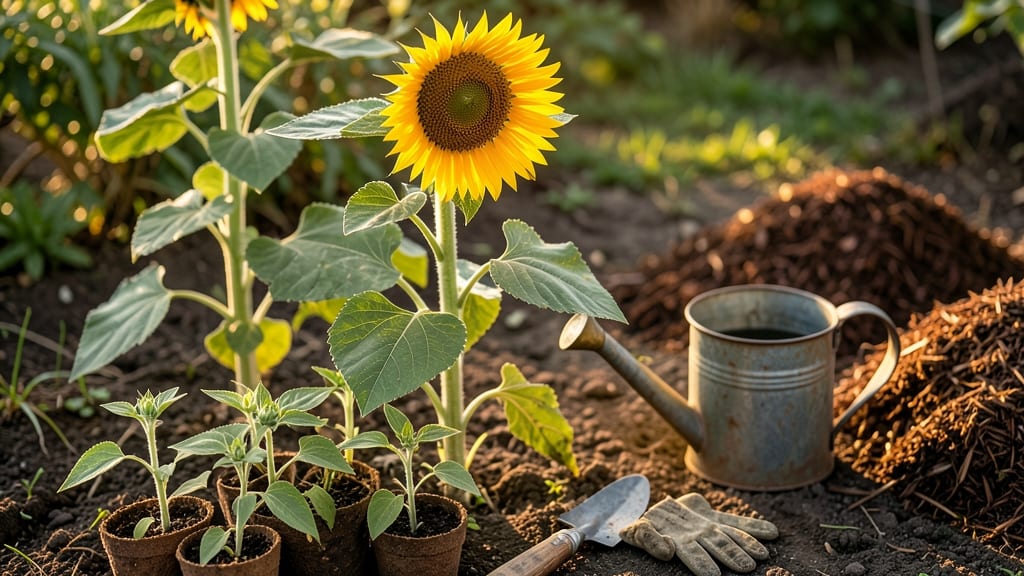
You can plant sunflowers in July — and with the right approach, they’ll still grow into those towering, cheerful 🌻 blooms you love.
Picture this: July sunflowers might not reach their usual height, but they often develop thicker stems and hardier blooms thanks to the long daylight hours. The key? Choosing heat-tolerant varieties and timing your planting just right.
In warmer climates like USDA Zone 8+, July sunflowers can even mature before frost, but in cooler areas like Zone 6a, you’ll need to pick fast-growing types or consider a fall planting window.
Below, I’ll walk you through the best varieties, soil prep, and watering tricks to turn your late-season sunflowers into a surprisingly successful garden highlight.
July sunflower planting: ideal varieties and climate considerations
Planting sunflowers in July can be a game-changer for warm climates, especially if you're in USDA Zones 8-11. While traditional wisdom suggests spring planting, late-season sunflowers often develop thicker stems and larger blooms due to extended daylight.
The key lies in selecting the right heat-tolerant varieties and understanding your local climate patterns.
Your success hinges on two critical factors: variety selection and frost-free days. In cooler regions (Zones 6-7), July planting may only yield foliage before frost hits.
However, in warmer zones, you can enjoy full blooms and seed production. Let's explore the best options and how to assess your climate for optimal results.
Comparison Table: Best Sunflower Varieties for July Planting
| Variety | Days to Maturity | Heat Tolerance | Best Zones | Notes |
|---|---|---|---|---|
| Moulin Rouge | 60-70 days | Very High | 8-11 | Dwarf variety, great for containers |
| Autumn Beauty | 75-85 days | High | 7-11 | Multi-colored blooms, excellent for late season |
| Russian Giant | 90-120 days | Moderate | 8-10 | Tallest variety, needs staking |
| Teddy Bear | 60-70 days | Very High | 8-11 | Compact, great for cut flowers |
| Procut | 80-90 days | High | 7-11 | Commercial cut flower variety |
For Zones 6-7, focus on fast-maturing varieties like Moulin Rouge or Teddy Bear, which can complete their life cycle before frost. In Zones 8-11, you have more flexibility to grow taller varieties like Russian Giant, though they'll need consistent watering to handle summer heat.
Assessing your local climate starts with checking your average first frost date. Use the USDA Plant Hardiness Zone Map to determine your zone, then count backward from your frost date. If you have at least 90 frost-free days remaining in July, most sunflower varieties will have time to mature.
For example, in Zone 9, you might have 120+ frost-free days, while Zone 7 typically offers only 60-90 days.
Heat waves can stress sunflowers, so monitor your local high-temperature forecasts. Varieties like Autumn Beauty handle heat better than standard types. If temperatures exceed 95°F (35°C) for extended periods, provide afternoon shade with lightweight shade cloth to prevent wilting.
Mulching with straw or wood chips helps retain soil moisture during heatwaves.
Don't overlook soil temperature—sunflower seeds need soil that's at least 60°F (15°C) for proper germination. In cooler zones, consider using black plastic mulch to warm the soil faster. If your soil is still cool in July, opt for container planting, which warms up quicker than in-ground soil.
For regions with short growing seasons, try fall planting in late August or early September. This gives sunflowers a head start before winter, and they'll often produce stronger stems and larger blooms the following spring.
Just be sure to choose varieties with cold tolerance, like Autumn Beauty or Procut
Step-by-step guide to planting sunflowers in July for maximum growth
Planting sunflowers in July might seem late, but with the right techniques, you can still grow healthy, vibrant sunflowers that thrive despite the heat. The key lies in soil preparation, proper spacing, and strategic watering to ensure strong roots and fast germination.
Even if blooms arrive later in the season, your sunflowers will reward you with bold stems and striking flowers.
Sunflowers are resilient, but July planting demands extra attention. Start by choosing a sunflower variety suited for warm weather, like 'Autumn Beauty' or 'Moulin Rouge', which handle heat better than traditional types.
These varieties also mature faster, giving them a better chance to bloom before cooler temperatures arrive. With these tips, you’ll set your sunflowers up for successful growth even in the dog days of summer.
- 1 Prep the Soil: Loosen the soil to a depth of 12 inches and mix in 2-3 inches of compost. Sunflowers love well-draining soil rich in nutrients. Test your soil’s pH—aim for 6.0 to 7.0 for optimal growth.
- 2 Choose the Right Spot: Select a location with at least 6-8 hours of direct sunlight. Sunflowers are sun-worshippers, and July’s intense heat means they’ll need maximum light exposure to thrive. Avoid shaded areas where growth will stall.
- 3 Plant Seeds Correctly: Sow seeds 1 inch deep and 6 inches apart in rows spaced 18-24 inches apart. For faster germination, soak seeds in warm water for 4-6 hours before planting. This jumpstarts root development in hot conditions.
- 4 Water Deeply and Consistently: Water deeply once a week (or every 2-3 days in extreme heat) to encourage deep root growth. Avoid wetting the foliage to prevent fungal diseases. Use a drip irrigation system or water at the base of the plant in the early morning.
- 5 Thin Seedlings: Once seedlings reach 4-6 inches tall, thin them to 12-18 inches apart. This reduces competition for nutrients and water, allowing stronger stems to develop. Use scissors to avoid disturbing the roots of remaining plants.
- 6 Fertilize Lightly: Apply a balanced fertilizer (5-10-10) when seedlings are 6-8 inches tall. Use 1 tablespoon per plant to avoid overstimulating growth. Stop fertilizing 4-6 weeks before the first frost to harden off the plants.
- 7 Monitor for Pests: Watch for aphids, beetles, or birds that may target young sunflowers. Use neem oil or row covers to protect seedlings. Remove damaged leaves promptly to keep plants healthy and encourage new growth.
Sunflowers planted in July will grow faster in warm climates, like USDA Zones 8 and above, where they can complete their lifecycle before frost. In cooler regions, opt for dwarf varieties like 'Teddy Bear' or 'Little Becka' to ensure they mature in time.
These shorter types are perfect for containers or small gardens and still produce stunning blooms.
With these steps, your July-planted sunflowers will develop strong stems and vibrant flowers, even if they bloom later in the season. Keep an eye on the weather and adjust your care routine as needed—your patience will pay off with a show-stopping display of sunshine in your garden. 🌻