
Companion Plants
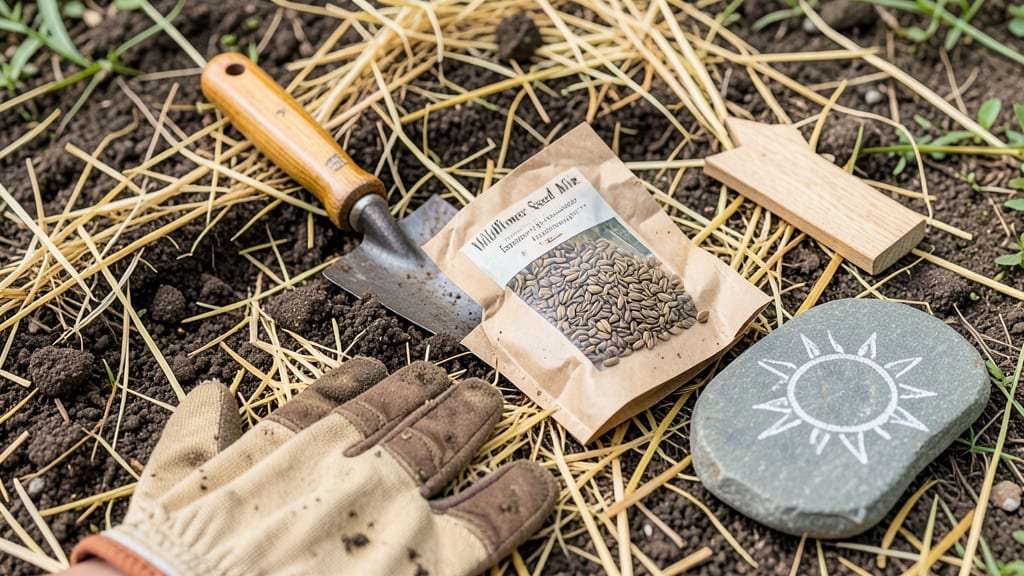
Planting wildflower seeds in June can still yield stunning results with the right strategies for late-season success.
June might seem too late for wildflowers, but with the right approach, you can still create a vibrant, pollinator-friendly garden—even in the dog days of summer. The key lies in selecting heat-tolerant varieties and preparing your soil properly to ensure fast germination.
Many gardeners assume June is too late, but annual wildflowers like cosmos and zinnias thrive when planted now, offering quick color and attracting bees and butterflies. Perennials, on the other hand, may need extra care to establish roots before winter.
Below, I’ll share proven techniques for soil prep, watering schedules, and choosing the fastest-growing species to turn your late-summer garden into a blooming paradise before frost arrives.
June wildflower planting: ideal conditions and fast-germination tips
June might seem like an unconventional time to plant wildflowers, but with the right conditions and techniques, you can still achieve fast germination and thriving blooms. The key lies in understanding your local climate, preparing the soil properly, and using heat-tolerant varieties.
Many wildflower seeds actually prefer warm soil temperatures, making late summer planting viable in regions with hot summers.
Before planting, check your soil moisture and temperature. Wildflower seeds need soil that's warm (at least 60°F) but not baking hot. Test by inserting your finger about an inch deep—if it feels dry but not scorching, it's ready.
In drought-prone areas, consider planting near existing vegetation or using shade cloth to protect young seedlings from intense afternoon sun.
Here’s how your US region affects planting success:
| Region | Ideal Soil Temp | Sunlight Needs | Best Varieties | Germination Time |
|---|---|---|---|---|
| Northeast (Zones 3-6) | 65-75°F | Full sun (6+ hrs) | Cosmos, Zinnias, Black-eyed Susans | 7-14 days |
| Southeast (Zones 7-9) | 70-80°F | Partial shade (4-6 hrs) | Mexican Sunflower, Coreopsis | 5-10 days |
| Southwest (Zones 9-11) | 75-85°F | Full sun (8+ hrs) | Desert Marigold, Blanket Flower | 3-7 days |
| Midwest (Zones 5-8) | 60-70°F | Full sun (6+ hrs) | Sunflower, Purple Coneflower | 10-21 days |
To speed up germination, try these proven techniques. First, scarify seeds by lightly nicking the outer shell with sandpaper or a knife—this mimics natural weathering and helps water penetrate. For hard-to-germinate seeds like poppies, soak them in warm water for 12-24 hours before planting.
Another trick is to pre-chill seeds for 1-2 weeks in the fridge if your region has unpredictable summer nights.
Once planted, mulch lightly with straw or shredded leaves to retain moisture and keep soil temperatures stable. Avoid heavy mulch, which can smother seeds. Water deeply but infrequently—aim for 1 inch of water per week, delivered in the early morning to reduce evaporation.
If your area experiences heatwaves, provide temporary shade with a lightweight row cover or dappled shade from nearby trees.
For fastest results, choose annual wildflowers like cosmos or sunflowers, which germinate in 5-14 days and bloom quickly. Perennials like coneflowers may take 2-3 weeks to sprout but offer long-term beauty.
Always check the seed packet for specific heat tolerance—some varieties thrive in 90°F+ temperatures, while others struggle.
Monitor your seedlings closely for signs of heat stress, such as wilting or yellowing leaves. If you notice these symptoms, move containers to a shadier spot or water more frequently.
With the right approach, your June-planted wildflowers can provide color and pollinator support well into fall, extending your garden’s season beautifully.
Don’t let the summer heat deter you—with these fast-germination tips and regional adjustments, your wildflower garden can flourish even in June. Happy planting! 🌼
Best wildflower seed varieties for June planting: fast-growing annuals vs. perennials
June planting can still deliver stunning results if you choose the right wildflower varieties. Fast-growing annuals like cosmos and zinnias offer instant color, while hardy perennials like black-eyed Susans provide long-term beauty. The key is selecting seeds that thrive in late-season heat and deliver quick blooms.
Annuals like cosmos and sunflowers germinate quickly (7-14 days) and bloom in 6-8 weeks, perfect for filling gaps in your garden. Perennials such as coneflowers and black-eyed Susans establish roots now for next year's blooms while still producing flowers this season.
Annuals vs. Perennials for June Planting
- ✅ Fast blooms (6-8 weeks)
- ✅ Instant color for summer
- ✅ Easy to replace yearly
- ❌ Short-lived (one season only)
- ❌ May need replanting next year
- ✅ Long-term beauty (3+ years)
- ✅ Drought-tolerant once established
- ✅ Self-seeds naturally
- ❌ Slower establishment (12-16 weeks)
- ❌ May need staking for tall varieties
For fastest results, prioritize annuals like cosmos ('Sensation Mix') which blooms in 50 days and attracts butterflies and bees. Zinnias ('Profusion Series') are another top pick—heat-tolerant and blooming in 60 days with vibrant colors that last until frost.
If you prefer perennial powerhouses, black-eyed Susans ('Golden Globe') and coneflowers ('Magnus') are excellent choices. They establish roots now and reward you with 3-4 months of blooms starting in late summer. Both varieties thrive in dry conditions once mature.
Pro tip: Mix annuals and perennials for a layered effect. Plant fast-blooming zinnias in the front for immediate color, then add perennial coneflowers in the back for long-term structure. This combo ensures your garden stays lush and pollinator-friendly all season.
Remember to water deeply after planting and mulch lightly to retain moisture. With the right mix, your June-planted wildflowers will thrive through summer and beyond! 🌻🌼