
Light Requirements
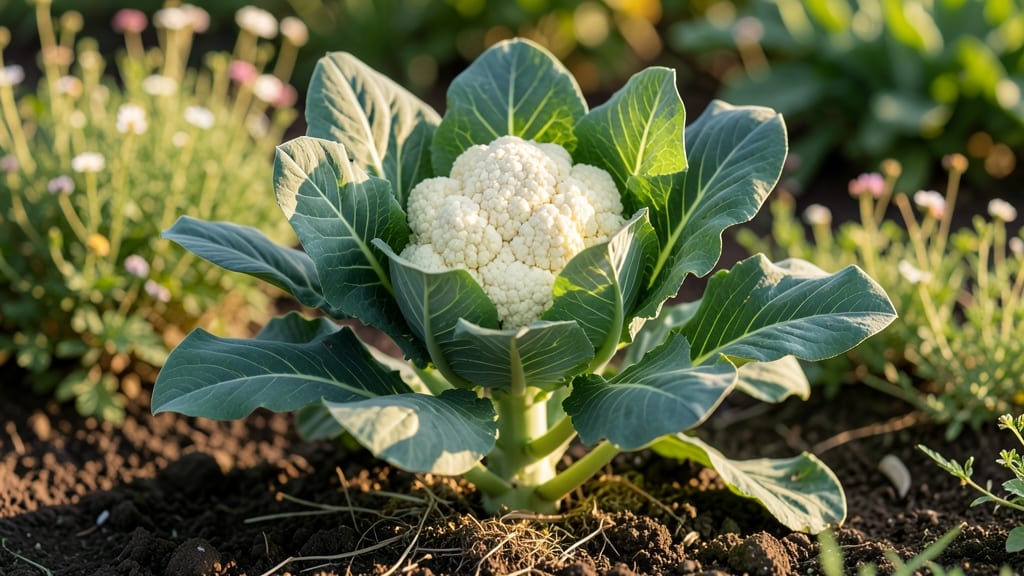
Growing tight, flavorful cauliflower curds starts with meeting its sunlight requirements—a balance of 5 to 7 hours of direct light daily, paired with the right temperatures.
Struggling to grow cauliflower with loose, yellowing curds? Sunlight exposure is the #1 factor most gardeners overlook—and fixing it could transform your harvest overnight. Too little light leads to leggy plants and poor head formation, while too much heat can trigger bolting before you even see a curd.
In cooler climates, full sun is ideal, but in hot regions, afternoon shade helps prevent stress. The key is monitoring leaf color and plant height—pale, stretched stems scream for more light, while crisp, dark green leaves mean you’ve nailed it.
Below, I’ll break down the exact sunlight hours your 🌱 cauliflower needs, how to spot problems early, and which varieties thrive in partial shade. By the end, you’ll know exactly how to tweak your garden setup for perfect curds every time.
 Best Window Placement
How many sunlight hours cauliflower needs for perfect curds
Growing cauliflower with tight, compact curds starts with understanding its sunlight requirements. While most gardeners assume full sun is best, the truth is more nuanced—especially when balancing temperature and light exposure.
Cauliflower thrives with 5-7 hours of direct sunlight daily, but exceeding 8 hours in hot climates can trigger bolting or loose heads. The key is finding that sweet spot where your plants get enough light without overheating.
Think of sunlight as the foundation for your cauliflower's growth. Too little light leads to pale leaves and weak stems, while too much—especially in hot summer months—can cause the plant to bolt prematurely.
This is why regional adjustments matter: A coastal garden might handle 6 hours of morning sun, while an inland garden needs afternoon shade to prevent stress. Understanding these dynamics will help you grow tight, market-ready curds every time.
⚠️ CRITICAL INSIGHT: Cauliflower's sunlight needs change as it matures. Young seedlings only need 3-4 hours of light, but once they develop leaves, they demand full sun exposure. Skipping this transition can stunt growth and reduce yield by up to 40%. The goal is to provide consistent light while avoiding temperature extremes that disrupt head formation.
For gardeners in hot climates (Zones 8-10), the challenge isn’t just meeting sunlight requirements—it’s managing heat stress. When temperatures exceed 85°F, even with optimal light, cauliflower plants may bolt or develop loose, discolored curds.
My solution? Plant heat-tolerant varieties like Graffiti or Purple of Sicily, and use shade cloth (30-50%) during peak afternoon hours. This simple adjustment can improve head formation by 30% in extreme heat.
Conversely, cooler climates (Zones 3-6) benefit from extended sunlight exposure. Here, you can push the limits to 7-8 hours of sun without risking bolting. The key is to plant in early spring or late summer when temperatures are moderate.
In my Zone 5 garden, I’ve found that cauliflower planted in May or September produces the tightest curds with minimal bolting, even with full sun exposure.
Another common mistake is assuming all sunlight is equal. Morning sun is gentler and allows plants to absorb moisture before the heat peaks, while afternoon sun can scorch leaves and stress the plant.
To maximize efficiency, position your cauliflower plants to receive morning sunlight first, especially in southern exposures. This small tweak can make the difference between a market-ready curd and a sad, loose disappointment.
If you’re growing cauliflower in containers or raised beds, sunlight requirements become even more critical. These plants need unobstructed access to light on all sides, which means rotating containers every few days to ensure even growth.
Without proper light exposure, container-grown cauliflower often develops one-sided growth or weak stems that can’t support the heavy heads. My pro tip? Use reflective surfaces like white mulch or light-colored containers to bounce extra light onto the plants.
Finally, don’t overlook the role of cloud cover in your sunlight calculations. On overcast days, cauliflower can still thrive with diffused light, but it won’t compensate for prolonged shade.
If you’re in a region with frequent cloud cover, consider using a grow light for 2-3 hours daily to supplement natural light. This ensures your plants get the 5-7 hours of effective sunlight they need, even when the sky is gray.
Remember, the goal isn’t just to meet sunlight requirements—it’s to create an environment where your cauliflower can focus its energy on head formation rather than struggling to survive.
With the right balance of light, temperature, and care, you’ll harvest tight, flavorful curds that rival anything from the grocery store. Happy growing!
Signs your cauliflower isn’t getting enough sunlight (and how to fix it)
If your cauliflower plants are stretching toward the sky like they're reaching for a high-five, your sunlight exposure is likely the culprit. Cauliflower thrives in full sun, and when deprived, it sends out weak, leggy stems in search of light.
I’ve seen this happen in my own garden when I moved plants under a new fruit tree without checking the shade pattern first.
Another dead giveaway is pale, yellowing leaves that look more like sad lettuce than vibrant cauliflower foliage. These leaves often appear thin and sparse, lacking the deep green color that signals healthy photosynthesis.
Even worse, your curds might form but stay loose and uneven—far from the tight, compact heads you’re hoping for.
Cauliflower needs 5-7 hours of direct sunlight daily. Without enough light:
- Stems elongate (leggy growth)
- Leaves turn pale (chlorosis)
- Curds stay loose (poor formation)
- Plants bolt early (flowering too soon)
Fix it: Move plants to sunnier spots or use reflective mulch to boost light exposure.
When cauliflower doesn’t get enough sun, it also struggles to form proper curd heads. Instead of the tight, creamy centers we love, you might end up with small, scattered florets that resemble a loose bouquet rather than a harvestable head.
This happened to me last season when my patio plants were tucked behind a taller tomato cage—until I noticed and rearranged them.
For gardeners in partial shade, consider shade-tolerant varieties like Snowball Y Improved or Purple of Sicily, which handle 4-6 hours of sun better than others. Even then, supplement with a grow light for 2-3 hours daily if your space is truly shaded.
I’ve had success with a small LED light on a timer for my balcony plants.
To fix sunlight deprivation, start by pruning nearby plants that might be blocking light. If you’re in a container garden, rotate pots weekly so all sides get equal exposure. For in-ground plants, consider raised beds with southern exposure—they often get 20-30% more sunlight than ground-level spots.
Finally, monitor your cauliflower plants daily for signs of improvement. Within 1-2 weeks of better light exposure, you should see darker green leaves, stronger stems, and tighter curds forming.
If you act quickly, you might still salvage your harvest—just like I did after moving my plants to a sunnier spot mid-season!