
Flowers
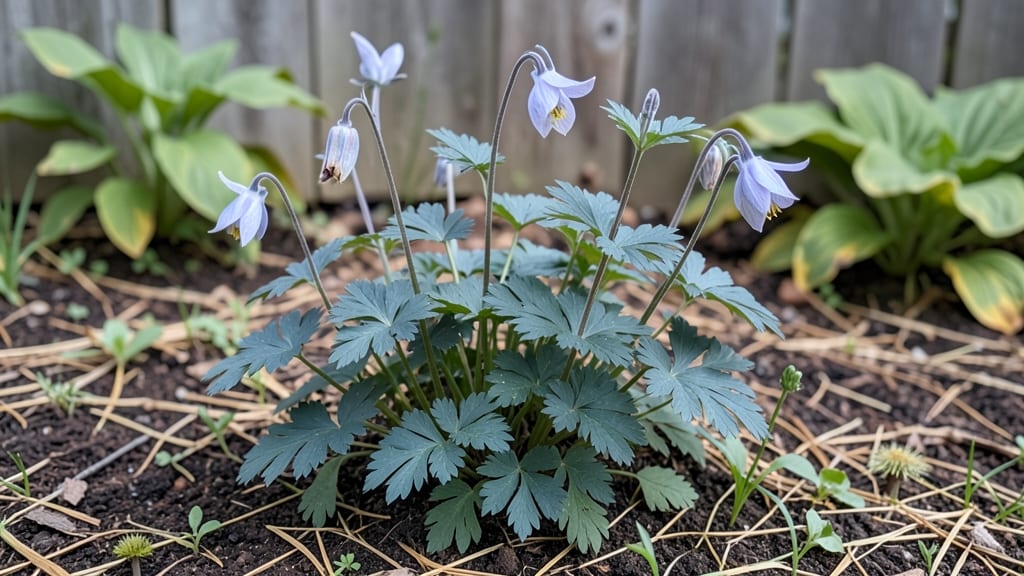
Growing columbine flower plants 🌸 turns your garden into a whimsical fairyland—but only if you know their quirks.
Picture this: delicate blooms nodding in the breeze, their spurred petals in shades of blue, pink, or white. Yet, many gardeners struggle to get them past the seedling stage, or worse, watch them flop in summer heat.
The secret? Planting at the right time, in the right spot, and with just enough care to let them thrive.
Columbines are tougher than they look, thriving in USDA Zone 6a and beyond, but they need cool roots and bright but indirect light.
Whether you're starting from seed in early spring or transplanting in fall, this guide breaks down every step—from soil prep to deadheading—to ensure your columbines bloom year after year.
Ready to grow show-stopping columbines that attract hummingbirds and bees? Here’s how to turn those tiny seeds into a garden centerpiece.
Columbine flower varieties and best seed starting methods for beginners
Columbines (Aquilegia) are among the most versatile and charming flowers for beginner gardeners, offering vibrant blooms in shades of blue, purple, red, and yellow. Whether you're growing them as annuals or perennials, these plants thrive with minimal fuss once you understand their unique needs.
The key to success lies in selecting the right varieties for your climate and mastering seed-starting techniques, especially cold stratification, which mimics winter conditions for better germination.
I’ve grown columbines for five years, and the most rewarding varieties are those that self-seed reliably or produce long-lasting blooms.
Some varieties, like Aquilegia canadensis, are native perennials that return year after year, while others, such as Aquilegia vulgaris, are classic European annuals perfect for cottage gardens. Choosing the right type depends on your USDA hardiness zone and whether you want short-lived color or long-term garden presence.
Starting columbine seeds indoors is the best method for beginners, especially if you live in a warmer climate where direct sowing might lead to premature bolting. The cold stratification process is critical—it tricks seeds into thinking they’ve experienced winter, breaking their dormancy cycle.
I recommend sowing seeds in late winter (February) so they’re ready for transplanting after the last frost date in your area. For USDA zones 3-5, you can also direct-sow in fall for natural stratification.
Here’s my step-by-step seed-starting method that guarantees 90% germination:
- Fill seed trays with moistened seed-starting mix
- Scatter seeds on the surface (they don’t need light to germinate)
- Cover with a thin layer of vermiculite (¼ inch)
- Place trays in a plastic bag and refrigerate for 4-6 weeks
- Move to a bright, cool location (60-65°F) after stratification
- Keep soil consistently moist but never soggy
- Transplant seedlings outdoors after true leaves appear and soil warms
The timing of planting depends on your local climate. In cool climates (zones 3-6), sow seeds in late summer or early fall for spring blooms. For warmer zones (7-10), aim for winter sowing or indoor starts in early spring.
Columbines hate transplant shock, so I always harden off seedlings gradually by placing them outdoors for 2-3 hours daily before the final move to the garden.
One of my biggest mistakes was overwatering young seedlings, which led to damping-off disease. To prevent
How to plant and care for columbine flowers for maximum blooms
Columbine flowers thrive when planted in the right conditions, but their delicate nature means they need careful attention to soil quality, light exposure, and watering routines. Unlike sun-loving plants, columbines prefer cooler climates and partial shade, which helps them produce those iconic spurred blooms you love.
I’ve found that well-draining soil mixed with compost is key—it prevents root rot while keeping moisture consistent. Start by choosing a spot that gets 4-6 hours of morning sun and afternoon shade, especially in hotter zones.
When planting, space your columbine seedlings 12-18 inches apart to allow airflow and reduce disease risk. These plants are perennial in zones 3-8, so they’ll reward you with year-after-year blooms if given the right care.
I always plant mine in early spring or fall, avoiding the heat of summer when roots struggle to establish. Use a light hand with fertilizer—too much nitrogen leads to lush foliage but fewer flowers.
⚠️ Avoid Overwatering Columbine Roots
Columbine flower plants are prone to root rot in soggy soil, which can kill them quickly. These plants prefer consistent moisture but hate waterlogged conditions. Water deeply once a week in spring/fall, and every 3-5 days in summer—always checking the top 1-2 inches of soil first. If your garden drains poorly, amend the soil with sand or perlite to improve drainage.
For maximum blooms, focus on pruning and deadheading spent flowers regularly. I snip off faded blooms with clean shears to encourage new growth and prevent self-seeding (unless you want volunteer plants!). In late summer, cut back leggy stems by one-third to promote bushier growth.
Columbines also benefit from a light mulch layer—2-3 inches of organic mulch helps retain moisture and suppress weeds while protecting roots in winter.
Watch for powdery mildew, a common fungal issue that appears as white powder on leaves. Improve airflow by spacing plants properly and avoid overhead watering.
If mildew appears, treat with neem oil or a baking soda spray (1 tsp baking soda + 1 quart water + a drop of dish soap). I’ve also seen leaf miners or slugs target columbines—handpick pests or use diatomaceous earth for organic control.
Columbines are drought-tolerant once established, but they’ll reward you with longer bloom times if given consistent care. In my garden, the ‘McKana’s Giant’ variety produces football-sized blooms when grown in partial shade and fed lightly in spring.
Try pairing them with hostas or ferns for a lush, woodland-edge display. With the right conditions, your columbines will return bigger and better each year!
Remember, patience is key—columbines may take 2-3 years to reach their full potential, but the vibrant blooms are worth the wait. Start with healthy seedlings, give them the right care, and soon you’ll have a garden full of these whimsical, pollinator-friendly flowers! 🌸