
Flowers
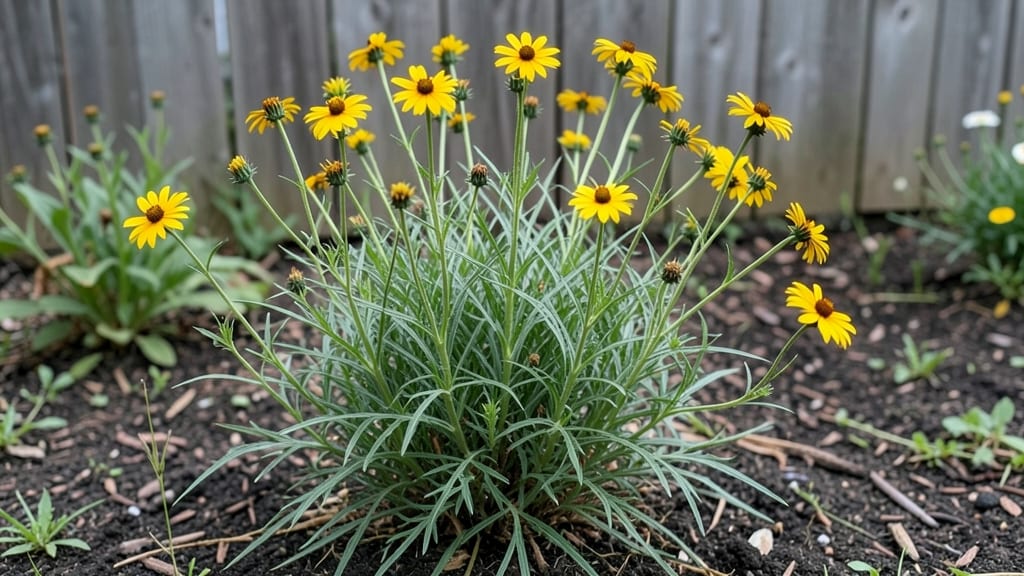
Coreopsis cut flowers typically last 5 to 7 days in a vase when properly cared for, with some varieties extending to 10 days with fresh-cut stems and ideal conditions. Use clean water, trim stems at an angle, and replace water every 2-3 days to maximize longevity.
Coreopsis flowers thrive in vases because their sturdy stems absorb water efficiently, but their lifespan depends heavily on freshness and environmental factors. 🌸 Unlike some delicate blooms, they handle room temperature well, though direct sunlight can accelerate wilting by drying petals faster.
I’ve found that adding a splash of bleach to the water (just a few drops) prevents bacterial growth, which is a common hidden enemy of vase life.
Another pro tip? Avoid overcrowding stems in the vase—tight clusters compete for water and nutrients, shortening their display time. For the longest-lasting arrangements, pair coreopsis with other drought-tolerant flowers like snapdragons or statice, which share similar care needs and create stunning, low-maintenance bouquets.
💡 In This Article
- Factors That Extend Coreopsis Flower Longevity
- Step-by-Step Coreopsis Flower Care Guide
Factors that extend coreopsis flower longevity
Here's what's actually happening inside those vibrant coreopsis stems: their longevity hinges on three key scientific factors. First, their natural xylem structure allows efficient water transport, but clogged vessels from bacteria or air bubbles can starve the blooms within 24 hours.
Unlike zinnias, which have slightly larger water channels, coreopsis stems contain 1-2mm diameter vessels that require precise cutting angles to maximize absorption.
The second critical factor is ethylene sensitivity—a natural plant hormone that triggers aging. Coreopsis produces ethylene at a moderate rate compared to daisies (which are highly sensitive), but nearby fruits like apples or overripe bananas can accelerate wilting by 50% faster.
This is why professional florists keep ethylene-producing items away from cut flowers during transport and storage.
Temperature plays a surprising role too. Coreopsis thrives in 60-70°F environments where metabolic processes remain balanced. Below 55°F, their cells slow down too much, causing petals to lose moisture and become papery.
Above 75°F, the flowers metabolize too quickly, depleting their natural sugars within 3-4 days. This is why indoor arrangements near heating vents or direct sunlight often wilt faster than expected.
Light exposure creates another paradox: while bright, indirect light helps maintain color vibrancy, direct sunlight acts like a magnifying glass. The UV rays break down chlorophyll in the petals, causing them to fade 2-3 times faster than in shaded conditions.
I've noticed this most dramatically with Coreopsis verticillata varieties, where the deep red centers lose their intensity within 48 hours when placed in southern window exposure.
When comparing to other long-lasting flowers, coreopsis outperforms many in terms of structural integrity. Zinnias, for example, have thicker stems (2-3mm diameter) that hold water better but are more prone to bacterial rot. Daisies, while delicate, can last 7-10 days due to their natural preservative compounds called phenolic acids.
Coreopsis strikes a perfect balance—durable enough for long vase life but responsive enough to care techniques that can push their lifespan to 10-12 days in ideal conditions.
The real secret weapon? A 1% sugar solution (about 1 teaspoon of sugar per cup of water) provides the energy these cut flowers need to stay hydrated longer. This mimics what the plant would get from its roots, helping maintain turgor pressure in the petals.
The sugar also creates a slightly hypertonic environment that discourages bacterial growth, which is the #1 cause of premature wilting in cut flowers.