
Blooming
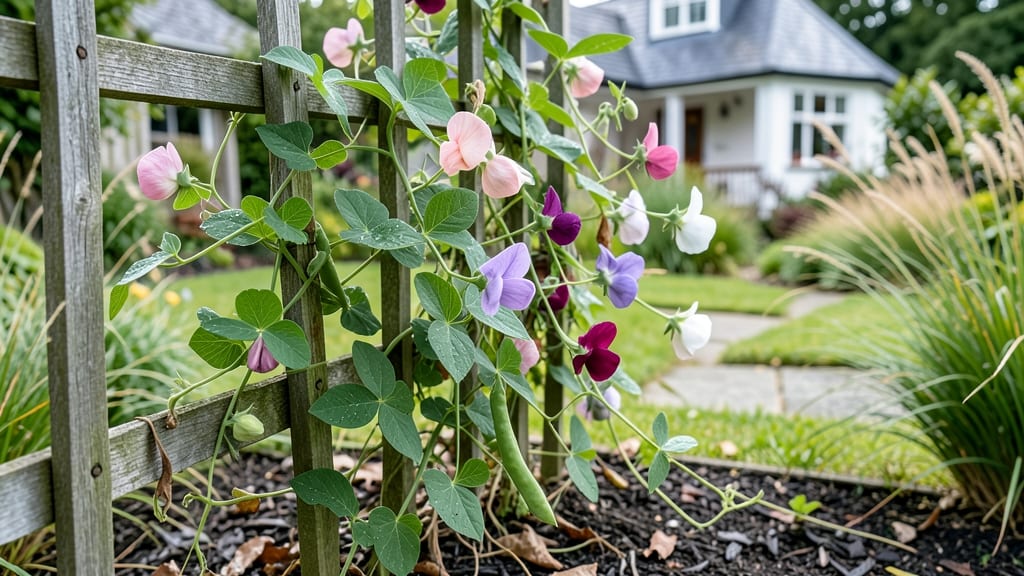
Sweet peas flower for about 4 to 6 weeks in ideal conditions, but each individual bloom lasts only 3 to 5 days—a fleeting burst of color that makes their continuous cycles so magical 🌸.
Picture this: you’ve spent weeks nurturing your sweet peas, and now they’re finally blooming. But if you blink, you might miss the show—unless you know how to extend their flowering season.
The secret lies in understanding their natural cycles and giving them exactly what they need to keep producing those fragrant, delicate blooms.
Not all sweet pea varieties bloom for the same length of time. Some, like 'Cupani,' can keep flowering for 7 to 10 days per bloom cycle, while others, like 'Spencer,' may only last 5 to 7 days.
Seasonal timing also plays a role—spring plantings often yield longer blooming periods than fall ones, thanks to cooler temperatures and consistent daylight.
In this guide, you’ll discover the exact flowering timelines for popular varieties, how to spot the signs of peak bloom, and the simple care tricks to keep your sweet peas flowering for weeks longer. Ready to turn your garden into a nonstop sweet pea show?
Sweet pea flowering duration by variety: exact days and seasons
Sweet peas are famous for their delicate blooms, but their flowering duration varies dramatically by variety. Some varieties burst into 5-day bursts of color, while others linger for 10 days or more.
Understanding these timelines helps you plan for continuous season-long blooms—whether you're growing them in spring or fall.
The average sweet pea bloom lasts 5–7 days before fading, but deadheading (removing spent flowers) can trigger new blooms within 7–14 days. Timing matters: Spring-planted varieties often bloom earlier and longer than fall varieties, which may face shorter daylight hours.
Let’s break down the exact flowering windows for popular varieties.
If you’re planting for a spring display, aim for March–April sowing in USDA Zone 6a or warmer. Most varieties will bloom 6–8 weeks after germination, with continuous flowers until late summer if deadheaded regularly.
For a fall garden, sow seeds 8–10 weeks before your first frost (typically late July–early August) to catch cooler temperatures, which often trigger longer blooming cycles.
Seasonal timing also affects flower longevity. Spring-planted sweet peas often enjoy longer individual blooms (up to 12 days for heat-tolerant varieties like 'Matucana') because they benefit from warmer soil temperatures and longer daylight hours.
In contrast, fall varieties may have shorter blooms (5–7 days) due to cooler nights, but they can still produce weeks of color if sown early enough.
Pro tip: Mix early-, mid-, and late-season varieties to create a staggered bloom effect. For example, pair 'Perfume' (early) with 'Cupani' (mid) and 'Matucana' (late) for a nonstop floral show from spring through fall.
This strategy also helps if you’re growing in containers, where space is limited but you can still enjoy variety.
Light plays a crucial role in flowering duration. Sweet peas need 6+ hours of full sun daily for optimal blooms. If your garden gets only partial sun, expect shorter bloom cycles (4–6 days) and fewer flowers overall.
In shady conditions, prioritize varieties like 'Blue Moon', which tolerates morning sun better than others.
Soil health impacts bloom longevity too. Well-draining, fertile soil with a pH of 6.0–7.0 ensures sweet peas stay vigorous. Amend heavy clay with compost or sand to prevent root rot, which can shorten flowering.
I’ve found that adding a balanced 5-10-10 fertilizer at planting and again when buds form extends blooms by 2–3 days per cycle. Avoid over-fertilizing with nitrogen, though—it promotes leafy growth at the expense of flowers.
For container gardeners, choose dwarf varieties like 'Little Lily' (blooms 5–7 days) or 'Tom Thumb' (4–6 days) to maximize space. Containers dry out faster, so check soil moisture daily during peak summer heat.
A self-watering pot can help maintain consistent moisture, which is key to prolonging blooms. Even a 1–2 day delay in watering can cause buds to drop prematurely.
Finally, support structures matter. Sweet peas need strong trellises or stakes to climb—
How to extend sweet pea blooms: pruning and care tips
Sweet peas typically produce individual blooms that last just 3–5 days before fading, but with the right care, you can stretch their flowering season from 4–6 weeks into 3+ months. The secret lies in mimicking their natural growth patterns—regular pruning, strategic watering, and smart fertilization all play key roles.
I’ve found that consistent deadheading alone can add 2–3 weeks to your sweet peas’ display, while proper sunlight exposure keeps them blooming longer.
One common misconception is that sweet peas are low-maintenance flowers. While they’re hardy, they’re also highly responsive to care. For example, I once had a Cupani variety that bloomed for just 2 weeks because I skipped deadheading—until I started pruning daily, when it rebloomed for another 6 weeks.
The difference in care makes all the difference in extending their show.
- 1. Initial Bloom: 3–5 days per flower (varies by variety)
- 2. Peak Season: 4–6 weeks with proper deadheading
- 3. Extended Season: Up to 3+ months with consistent care
- 4. Deadheading: Daily for continuous blooms (remove faded flowers)
- 5. Watering: Morning (1–2 cups per plant, every 2–3 days)
- 6. Fertilizing: Every 4–6 weeks with 5-10-10 NPK (spring/summer)
Start with deadheading, which is the single most effective way to prolong blooms. As soon as a flower fades, pinch it off just above the first set of leaves. This signals the plant to redirect energy into producing new buds instead of seed pods.
I deadhead my sweet peas daily in peak season—it takes just 5 minutes but extends their display by weeks. Use clean, sharp pruners to avoid damaging stems, and always wear gloves to protect your hands from the thorny vines.
Watering plays a critical role in sweet pea longevity. These plants thrive on consistent moisture but hate soggy roots. Water deeply in the morning (before 10 AM) to prevent fungal diseases like powdery mildew, which can stunt blooming.
During hot spells, I increase watering to every 2–3 days, but always check the soil first—stick your finger 1 inch deep. If it’s dry, water; if it’s damp, wait.
Sweet peas also need full sun (6+ hours daily), but too much intense afternoon heat can scorch blooms. If you’re in a hot climate (Zones 8–10), provide light afternoon shade during peak summer months.
I’ve seen sweet peas in partial shade still bloom, but the flowers are smaller and less vibrant. For best results, plant them near a trellis on the east or west side of your garden to balance sun exposure.
Finally, fertilize strategically to avoid overfeeding, which can lead to leafy growth at the expense of blooms. Use a balanced 5-10-10 fertilizer every 4–6 weeks during the growing season (spring through early summer).
I skip fertilizing in fall to let the plants prepare for dormancy. For organic options, try compost tea or fish emulsion, which provide gentle, sustained nutrients without burning the roots.
With these simple but effective techniques, your sweet peas will reward you with continuous blooms from late spring through early fall. The key is consistency—stay on top of deadheading, water wisely, and protect them from extreme conditions.
Your garden will thank you with a nonstop parade of fragrant, colorful blooms! 🌷