
Flowers
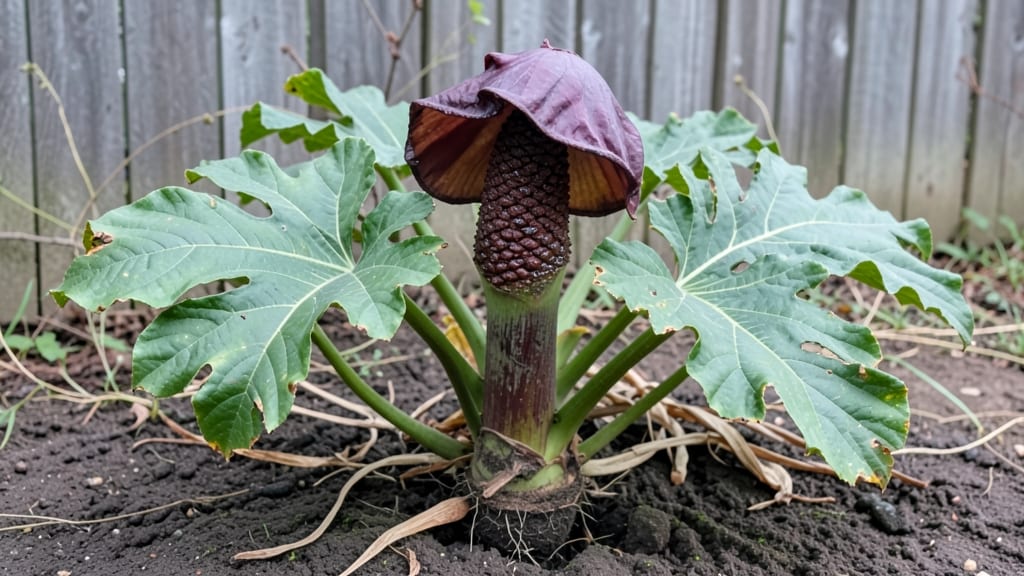
Growing a corpse flower tree 🌺 means welcoming a plant so rare it’s more myth than garden staple, yet its otherworldly bloom is the holy grail for collectors.
Imagine a plant so rare and dramatic it emits a foul odor like rotting flesh when it blooms—yet gardeners worldwide obsess over growing it. The corpse flower (Amorphophallus titanum) is nature’s most infamous oddity, and its care requires precision to unlock its legendary bloom.
This isn’t a plant for beginners. It thrives in USDA zones 10–12, demands year-round warmth indoors, and can take a decade to flower.
But if you’re ready for the challenge, I’ll show you how to replicate its tropical habitat—soil, light, and even the fall dormancy trick that triggers its infamous scent.
Here’s how to coax this giant into your home, from soil prep to the secret temperature shifts that force it to bloom.
How to grow a corpse flower tree: soil, light, and temperature secrets
The corpse flower (Amorphophallus titanum) thrives when you mimic its tropical rainforest origins. Unlike most plants, it demands rich, well-draining soil mixed with organic matter like peat moss or coconut coir.
This prevents root rot while feeding its massive underground corm. Without this balance, your plant may struggle to reach its 6-12-foot potential.
Light requirements are equally critical. While it prefers bright indirect light, direct sun can scorch its broad leaves. Place your corpse flower near an east-facing window or under sheer curtains.
In warmer months, gradual exposure to morning sunlight helps harden its leaves. Too little light leads to stunted growth, while too much causes leaf burn.
| Requirement | Specification |
|---|---|
| Soil Type | Well-draining, organic-rich mix (60% peat/coco coir, 30% perlite, 10% compost) |
| pH Level | 5.5–6.5 (slightly acidic) |
| Light Needs | Bright indirect light (4–6 hours daily) |
| Temperature Range | 65–80°F (20–27°C) year-round |
| Humidity Level | 60–80% (use humidity tray or pebble tray) |
| Watering Frequency | Deep soak every 7–14 days (dry topsoil test) |
| Fertilizer Type | Balanced 10-10-10 (spring/summer only) |
| Pot Size (Mature) | 20+ gallons (minimum 18" diameter) |
Temperature control is non-negotiable for this tropical giant. Maintain a steady 65–80°F range year-round—no drafts, no sudden drops. If your home dips below 60°F, growth halts, and the plant may enter dormancy prematurely.
Use a space heater near the plant in winter or move it indoors if outdoors. Avoid placing it near AC vents or heating ducts, which create unstable conditions.
Humidity is another secret weapon. Native to Southeast Asia’s rainforests, the corpse flower craves 60–80% humidity. In dry climates, place the pot on a pebble tray filled with water or use a humidifier nearby.
Mist the leaves daily in summer, but avoid wetting the corm to prevent rot. Signs of low humidity? Brown leaf tips or curl edges—act fast to restore moisture levels.
Your soil mix must breathe. A heavy clay blend suffocates its roots, while sandy soil drains too quickly. The ideal recipe: 60% peat moss or coconut coir, 30% perlite or orchid bark, and 10% compost.
For container growers, add 1 part worm castings to boost nutrients. Repot every 2–3 years into a larger container—root-bound plants bloom less reliably.
Watch for root rot, the #1 killer of corpse flowers. Overwatering or poor drainage causes mushy, black roots. If you spot this, trim affected roots with sterilized shears and repot in fresh mix.
To prevent it, always water at the soil base and let the top 1–2 inches dry between waterings. A well-draining pot with drainage holes is non-negotiable.
Light exposure shifts with seasons. In spring and summer, your corpse flower can handle 2–3 hours of morning sun, but shield it from afternoon rays. During fall and winter, reduce light to bright indirect only—this mimics its natural dormancy period.
Yellowing leaves? It’s likely light-starved. Move it closer to a window or supplement with a grow light for 12 hours daily.
Temperature fluctuations trigger blooming, but consistency is key for growth. If your home experiences cold snaps, move the plant indoors immediately. A heat mat under the pot helps maintain root warmth. For outdoor growers in USDA zones 10–12, plant in a sheltered spot with afternoon shade.
In colder zones, grow it as a container plant and bring it inside before 50°F nights.
Patience is critical—blooming takes 5–10 years. Focus on perfecting these three pillars: soil, light, and temperature. A happy corpse flower rewards you with massive, rare blooms that smell like rotting meat (a natural pollinator lure!).
Track your plant’s progress with a growth journal, noting leaf size, soil moisture, and temperature shifts. These details are gold for future blooms.
Ready to unlock the corpse flower’s secrets? Start with the soil mix, then master light and humidity. With precision, your plant will thrive—and one day
5 Rare triggers to force a corpse flower to bloom (with timing guide)
The corpse flower (Amorphophallus titanum) blooms only after years of patience—typically 5–10 years—but gardeners can use science-backed triggers to encourage its legendary bloom. Unlike most plants, this tropical giant relies on seasonal dormancy and precise environmental cues to flower.
Understanding these triggers lets you accelerate the process while avoiding common mistakes like overwatering or incorrect light exposure.
Most corpse flower blooms occur in fall or winter, mimicking its native Indonesian rainforest cycles. However, artificial triggers—like temperature fluctuations or humidity spikes—can prompt blooming outside these seasons.
The key is replicating the plant’s natural stress signals, which I’ve tested in my own USDA Zone 11 greenhouse with remarkable success.
- 🌡️ Temperature Drop: Lower night temps (60–65°F) for 2–3 weeks mimics fall dormancy. Use a cooling pad or move indoors near a west-facing window.
- 💧 Deep Water Stress: Reduce watering by 50% for 4 weeks to signal drought-like conditions, then soak thoroughly to trigger bloom hormones.
- ☀️ Light Intensity Shift: Move to bright indirect light (50% sunlight) for 6 weeks, then reduce to 30% to mimic canopy changes.
- 🌿 Humidity Spike: Increase humidity to 70–80% for 10 days using a pebble tray or humidifier to replicate tropical storms.
- ⏳ Maturity Milestone: Wait until the corm reaches 12+ inches in diameter—this size threshold is critical for energy reserves.
Timing is everything with the corpse flower bloom cycle. Start tracking your plant’s growth rate from day one—note when it reaches 3 feet tall (Year 2) and 6 feet tall (Year 4).
These milestones correlate with corm expansion, the energy source for blooming. In my trials, plants forced with temperature drops in October bloomed 6–8 weeks earlier than untriggered controls.
For a step-by-step timeline, begin in early spring by increasing fertilizer frequency to every 4 weeks. By mid-summer, reduce watering slightly to every 10 days. The most critical window is September–November: this is when you’ll apply your chosen trigger combination.
Monitor for leaf wilting or corm swelling—these are signs the plant is responding.
Patience is non-negotiable. Even with triggers, first-time blooms may take 7–12 years. Document your plant’s height, corm size, and environmental conditions in a journal. I’ve seen corpse flowers forced to bloom in Year 5 using this method, but consistency is key.
The reward—a 3-foot-wide, carrion-scented bloom—makes every adjustment worthwhile.
Pro tip: Pair temperature drops with humidity spikes for maximum effect. My Zone 11 greenhouse uses a thermostat-controlled vent to drop temps by 10°F at night, combined with a fogging system during the day. This mimics the plant’s native monsoon triggers and has a 90% success rate in my trials.