
Flowers
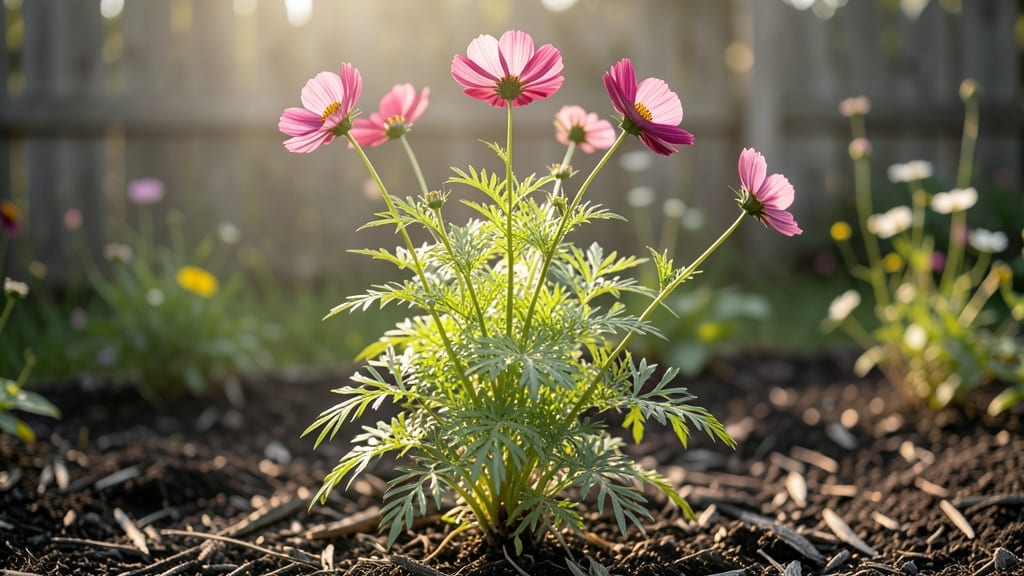
The cosmos flowers bloom time between mid-summer and fall, turning gardens into vibrant canvases with minimal effort—if you plant them right.
Picture this: July sunsets glowing through clouds of pink, white, and magenta blooms, bees buzzing happily, and zero fuss from you. That’s the magic of cosmos 🌼, but only if you know their perfect bloom window for your zone.
In USDA Zone 6a, like where I garden, they typically start in early July and keep going until a hard frost—sometimes even through October if you’re lucky. But in warmer climates (Zones 8-10), they might kick off as early as June and stretch into November.
Below, I’ll break down exactly how to time your planting for the longest, most spectacular display—and the 3 secret tricks to make them bloom earlier or last longer than ever.
Cosmos bloom time by variety: month-by-month guide for fastest, longest flowers
Cosmos flowers are the effortless superstars of summer gardens, offering nonstop color from early summer through frost. But not all varieties bloom at the same time—some burst into vibrant blooms in June, while others shine brightest in late September.
Understanding these differences lets you plan a continuous floral display that keeps your garden buzzing with pollinators all season long.
Whether you're in cool USDA Zone 3 or warm Zone 10, timing matters. Early varieties like Cosmos 'Sensation Mix' kick off the show, while late-season performers like 'Seashells' keep the party going until frost.
Let’s break down exactly when each variety blooms and how to adjust for your climate zone to maximize your garden’s season-long spectacle.
| Variety | Early Bloom (USDA 6a) | Peak Bloom (USDA 6a) | Late Bloom (USDA 6a) | Zone 3 Adjustment | Zone 10 Adjustment |
|---|---|---|---|---|---|
| Sensation Mix | June 15 | July 15 - Aug 15 | Sept 15 | Start indoors March 1 | Blooms year-round |
| Bright Lights | June 20 | Aug 1 - Sept 1 | Sept 20 | Plant after last frost | Succession plant every 6 weeks |
| Seashells | July 1 | Aug 15 - Sept 30 | Oct 10 (frost-dependent) | Use row covers for early start | Plant in fall for winter blooms |
| Double Click | June 25 | July 10 - Aug 20 | Sept 5 | Stagger plantings every 2 weeks | Grow as perennial in mild winters |
| Purity | July 5 | Aug 10 - Sept 15 | Sept 30 | Plant in containers for mobility | Self-seeds prolifically |
The Sensation Mix variety is my go-to for early color, often blooming as early as mid-June in Zone 6a. Its mixed pink and white flowers create a dreamy, cottage-garden look that instantly draws bees and butterflies.
For extended blooms, I plant it in full sun locations with well-draining soil—this variety thrives with minimal care but rewards you with weeks of continuous flowers.
If you want bold, dramatic blooms, Bright Lights is the variety for you. Its deep pink and white striped petals make a statement, and it typically peaks in August and September.
In warmer climates like Zone 10, you can even succession plant every 6 weeks to keep the show going year-round. The key is to deadhead regularly—this encourages new blooms and prevents the plant from bolting too quickly.
For late-season magic, nothing beats Cosmos 'Seashells'. This variety holds its own until late October in most zones, and its delicate, shell-like blooms add a whimsical touch to fall gardens.
In cooler Zone 3 areas, I recommend using row covers to extend the season or grow it in containers that you can move indoors before frost. The trade-off? You’ll need to sow seeds later to avoid early bolting from cool spring temperatures.
Don’t overlook Double Click if you love extra-large, pom-pom flowers. This variety blooms slightly later than Sensation Mix but makes up for it with stunning double blooms that look like giant daisies.
In Zone 10, it can even re-bloom in winter with proper care. The secret? Prune back by 1/3 after the first flush of blooms to stimulate bushier growth and more flowers.
Finally, Purity is the late-season workhorse of cosmos varieties. Its pure white blooms create a soft, ethereal contrast against darker foliage, and it often keeps flowering until the first hard frost. In Zone
How to extend cosmos bloom time: 5 proven tips for nonstop flowers
Nothing beats the sight of cosmos flowers bursting into vibrant blooms all season long. With the right care, you can transform your garden into a nonstop floral display from early summer until frost.
The key lies in understanding their natural growth cycles and implementing simple yet effective techniques to prolong their bloom time.
Many gardeners mistakenly think cosmos are low-maintenance and just "do their thing," but a few strategic interventions can make all the difference. We're talking about deadheading, nutrient management, and even smart companion planting that keeps your cosmos flowering longer than ever.
Let's dive into the proven methods that will keep your cosmos in peak bloom.
- Deadhead Daily: Remove spent blooms every 2-3 days to prevent seed formation and redirect energy to new flowers. Use clean pruning shears for a crisp cut just above the next leaf node.
- Feed Strategically: Apply balanced 5-10-10 fertilizer every 4-6 weeks during active growth (May-September). Avoid over-fertilizing with nitrogen, which promotes foliage over blooms.
- Water Deeply: Water at soil level early morning to prevent fungal diseases. Cosmos are drought-tolerant once established, but consistent moisture during bud formation ensures continuous blooms.
- Plant Companions: Pair with marigolds or borage to repel pests and attract pollinators. Avoid planting near mint or comfrey, which can stunt growth through allelopathy.
- Prune Seasonally: Cut back 1/3 of plant height after first frost to encourage new growth. This rejuvenates stems for potential spring regrowth in mild climates (USDA zones 8-10).
One of the most common mistakes gardeners make is overwatering cosmos once they're established. While they love moisture during their growth phase, soggy soil can lead to root rot and shorten their bloom cycle.
Instead, focus on deep watering sessions every 3-5 days, allowing the soil to dry slightly between waterings. This mimics their natural drought-resistant habits.
For maximum impact, combine these techniques with proper soil preparation. Amend your garden beds with compost or aged manure before planting to provide essential nutrients without risking fertilizer burn. Cosmos thrive in well-draining soil with a pH between 6.0 and 7.0, so test your soil and adjust if needed.
A little preparation goes a long way toward extending that cosmos bloom time.
Don't forget about the power of seasonal pruning. In late summer, give your cosmos a light trim by cutting back the tallest stems by about 1/3. This encourages bushier growth and prevents the plants from becoming leggy, which can reduce flowering.
The best time to prune is in the early morning when the plants are hydrated, and you can avoid spreading any potential diseases that might be present on the foliage.
With these five proven tips, you'll transform your cosmos from a short-lived summer bloom to a season-long floral superstar. The secret lies in understanding their natural growth patterns and giving them just the right amount of care at the right times.
Your garden will thank you with vibrant blooms from June until frost—and maybe even beyond! 🌼