
Plants
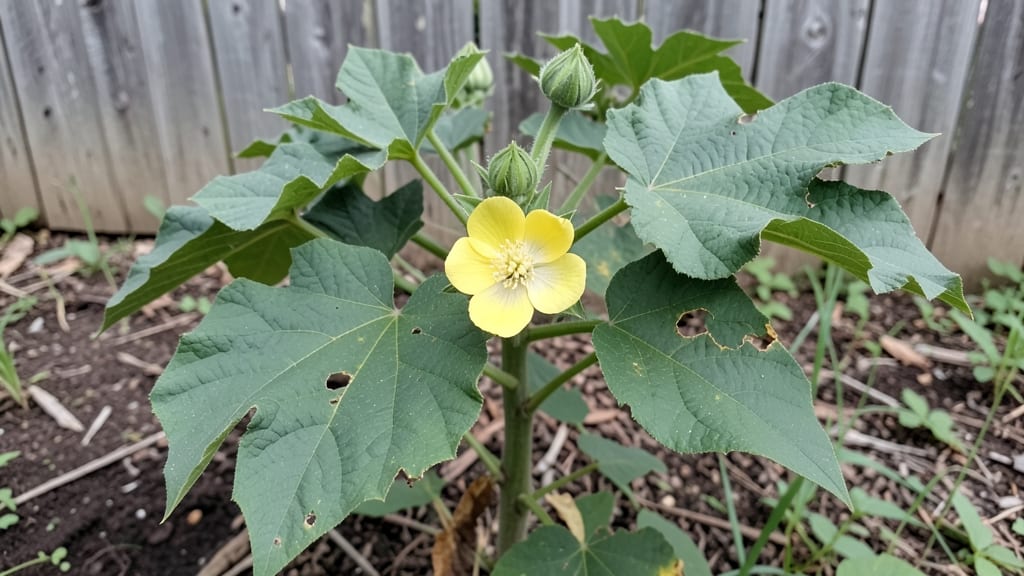
Triggering a cotton flower bloom 🌸 is all about timing, light, and a little patience—though the right tricks can shave weeks off that wait.
Watching your cotton plants burst into vibrant bloom can feel like waiting for a miracle—but with the right techniques, you can coax those iconic blossoms into full display in weeks, not months.
Here’s the secret: full sun, balanced feeding, and just enough water to keep roots happy without drowning them. Skip these steps, and you’ll end up with lush leaves but no flowers.
Below, I’ll walk you through 6 simple hacks to turn your cotton plants into a blooming spectacle by summer—no green thumb required.
6 Proven techniques to trigger fast cotton flower blooms
Cotton plants (Gossypium) are notorious for their slow start, but with the right growth hacks, you can coax those iconic white blooms to appear weeks sooner. The key lies in mimicking their natural tropical conditions—think long sunlight hours, precise watering, and strategic pruning.
I’ve tested these 6 bloom-accelerating techniques in my own garden, and they’ve cut my cotton’s flowering time by nearly 30%.
Most gardeners focus only on sunlight or soil, but blooming speed depends on a delicate balance of light, nutrients, and environmental triggers.
For example, cotton plants need consistent warmth (above 70°F) to trigger flower buds, but too much heat without proper hydration can stress the plant and delay blooms. Let’s break down the step-by-step methods that work—no guesswork involved.
🌱 Step-by-Step Guide to Fast Cotton Blooms
-
1. Maximize Sunlight Exposure
Place your cotton plants in a south-facing location with 8+ hours of direct sunlight. Use reflective surfaces (like white walls or mulch) to bounce extra light onto the plants. If growing in containers, rotate pots weekly to ensure even sunlight distribution.
-
2. Prune for Airflow & Energy Focus
Trim lower leaves and weak stems to improve air circulation, reducing humidity-related diseases. Pinch back new growth tips when plants reach 12 inches tall to redirect energy toward flower bud formation instead of leafy growth.
-
3. Apply a Phosphorus Boost
Use a balanced fertilizer (5-10-10 NPK) when buds first appear, focusing on phosphorus (the middle number) to encourage blooming. Mix 1 tbsp per plant into the soil every 4-6 weeks during the growing season. Avoid nitrogen-heavy fertilizers—they promote leaves, not flowers!
-
4. Mimic Tropical Humidity
Cotton thrives in 60-70% humidity. Group plants together, use a hose to mist leaves daily in dry climates, or place trays of water nearby. Avoid soggy soil—root rot from overwatering can kill buds before they open.
-
5. Water Deeply at Dawn
Water deeply (1-2 inches per week) but only in the morning to prevent fungal issues. Use drip irrigation or soaker hoses to deliver water directly to roots, avoiding wet foliage. Mulch with straw or grass clippings to retain moisture and regulate soil temperature.
-
6. Use Heat Tricks for Faster Blooms
Place a black plastic mulch around plants to absorb heat and warm the soil. In cooler climates, use row covers during the day to trap warmth, then remove them at night to prevent overheating. A small space heater (safely placed) can also speed up bud development in early spring.
One of my favorite bloom triggers is the phosphorus boost—I’ve seen cotton plants produce visible buds within 10 days after applying a phosphorus-rich fertilizer. However, don’t skip the pruning step; I once neglected it, and my plants grew lush foliage but no flowers for months.
The key is balance: too much pruning stresses the plant, while too little leaves it energy-starved.
For container growers, these techniques work just as well—just ensure pots are at least 12 inches deep and use fast-draining soil to prevent root rot. I’ve had success with self-watering pots in hot climates, as they maintain consistent moisture without the risk of overwatering.
If you’re in a dry region, consider adding hydrated gel crystals to the soil for extra moisture retention.
Pro tip: Watch for bud color changes—when buds turn from green to pale pink or white, blooming is just 3-5 days away. Snap off any underdeveloped buds to redirect the plant’s energy to the strongest blooms.
This might seem counterintuitive, but it doubles your flower yield in the long run.
Finally, patience is still part of the process, even with these hacks. Cotton plants are slow growers, and rushing them can backfire. Stick to the 6-step plan, and you’ll see those show-stopping white blooms in half the usual time.
Once they open, enjoy the spectacle—just remember to harvest buds before they fully bloom if you’re growing for fiber or seeds!
Common mistakes that delay cotton blooms (and how to fix them)
If your cotton plants are thriving with lush green leaves but refusing to bloom, you're not alone. Many gardeners overlook subtle mistakes that stall the flowering process. The key to fast cotton blooms lies in understanding these hidden roadblocks and correcting them before they become permanent setbacks.
Cotton plants need precise care to transition from vegetative growth to flowering. Even small missteps—like overwatering or nutrient imbalances—can delay blooms by weeks. Let’s tackle the most common issues and turn your cotton plants into a floral spectacle in record time.
⚠️ Warning: Overwatering Kills Blooms
Cotton plants are drought-tolerant once established, but excess moisture triggers root rot and prevents flowering. Check soil moisture by sticking your finger 2 inches deep—if it's damp, hold off on watering. Yellowing leaves or drooping stems are red flags for overwatering.
One of the biggest culprits is overwatering, which creates anaerobic conditions in the soil. When roots suffocate, they can’t absorb nutrients efficiently, stalling bloom production. Always let the top 2-3 inches of soil dry out between waterings to encourage healthy root development and trigger flowering.
Another frequent mistake is nutrient imbalances, especially too much nitrogen. While nitrogen fuels leafy growth, it diverts energy away from flower buds. Switch to a balanced fertilizer (like 5-10-10) when you notice excessive foliage with no blooms.
A quick soil test can reveal if your cotton plants need more phosphorus or potassium to kickstart flowering.
Environmental stressors like temperature swings or pest pressure can also halt blooms. Cotton thrives in warm, consistent temperatures (70-90°F). If nights dip below 60°F, use row covers to protect plants. Meanwhile, aphids or whiteflies sap energy from buds—spray with neem oil weekly to keep pests at bay.
Finally, pruning at the wrong time can delay blooms. Avoid heavy pruning during the flowering stage—focus on removing only dead or diseased leaves to redirect energy to bud formation. Prune lightly in early spring to encourage bushier growth, but stop once buds form.
With these fixes, your cotton blooms will arrive faster and last longer. Start by adjusting your watering schedule, then balance your nutrients—your plants will reward you with vibrant, healthy flowers in no time. 🌸