
Blooming
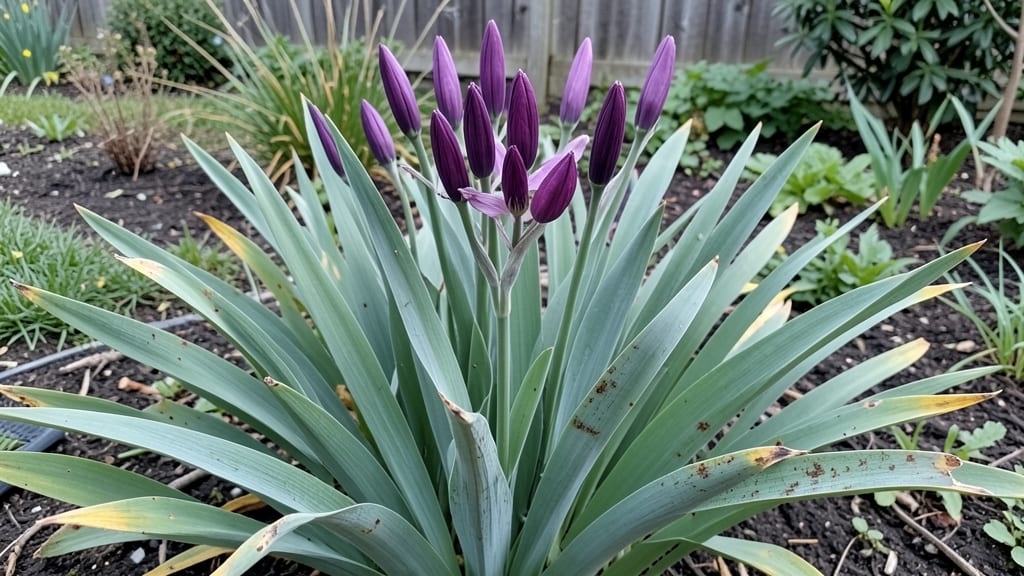
If your crocosmia is showing only grassy leaves and the stubborn crocosmia not flowering, don’t despair—it’s just a sign they need a few simple tweaks to wake up those blooms. 🌱 I’ve revived several stubborn clumps by focusing on the three most common reasons blooms disappear: sunlight deprivation, nutrient starvation, and overcrowded roots.
The good news? Each fix takes less than an hour and delivers noticeable results within a growing season.
Most gardeners overlook sunlight as the #1 culprit—crocosmia demands at least six hours of direct sun daily, preferably morning light. If your plants are tucked in shade, move them to a sunnier spot by early spring before new growth starts.
Poor soil is another sneaky problem: these plants thrive in well-draining, slightly alkaline soil with a steady supply of phosphorus. A balanced 10-10-10 fertilizer applied in early spring often jumpstarts flowering within weeks.
Overcrowding stunts blooms too—when clumps get too dense, energy goes into leaf production instead of flowers. After the first frost, cut back the foliage and divide congested clumps every 3-4 years. You’ll see fresh, vigorous growth the following spring, with flower spikes emerging by early summer.
The payoff? Clusters of fiery orange or red blooms that dance in the breeze, exactly as they should.
This works for both established clumps and newer plantings—just adjust timing based on your climate. Warmer zones may need fall fertilizing, while cooler areas benefit from spring applications. Let’s get those blooms back in action!
Why it happens
When your Crocosmia plants refuse to put on a show, it’s often a sign that one (or more) of their basic needs isn’t being met. These vibrant perennials thrive on balance—too much of one thing (or too little of another) can send them into a flowering slump.
Let’s break down the most common reasons why your Crocosmia might be sitting pretty but staying silent on the blooms.
🌱 Insufficient Light Exposure
Crocosmia is a sun-worshipper, and without enough light, it prioritizes leafy growth over flowering. These plants need full sun to partial shade (6–8 hours of direct sunlight daily). When light levels drop—especially in shaded gardens or under tall trees—the plant’s energy shifts toward foliage production instead of blooming.
Why it happens: Photosynthesis relies on light to produce energy. In low-light conditions, the plant allocates resources to sustain existing leaves rather than invest in energy-intensive flower buds. Additionally, Crocosmia often blooms on old wood (last year’s growth), so if the plant isn’t getting enough light to store energy, it won’t have the reserves needed for next year’s flowers.
Actionable fix: Move your plant to a sunnier spot or thin nearby competitors (like overgrown shrubs or trees) to improve light penetration.
💧 Watering Woes or Soil Stress
Crocosmia roots need consistent moisture but hate soggy feet. Too little water stresses the plant, while too much can lead to root rot or nutrient deficiencies—both of which stall flowering. Even slight soil compaction or poor drainage can disrupt nutrient uptake, leaving the plant energy-deprived.
Why it happens: Water stress triggers the plant’s survival mode, diverting energy to root and leaf maintenance rather than reproductive growth (like flowers). Overwatering, on the other hand, suffocates roots by cutting off oxygen, preventing them from absorbing essential nutrients like phosphorus (critical for blooming). Crocosmia also prefers well-draining soil; if water pools around the roots, the plant focuses on survival rather than flowering.
Actionable fix:
- Water deeply 1–2 times per week (adjust for climate), ensuring the top 6 inches of soil stay moist but not waterlogged.
- Amend heavy or clay soil with compost or perlite to improve drainage.
- Avoid mulching too heavily around the base (2–3 inches max) to prevent moisture buildup.
⚖️ Nutrient Imbalance or Poor Fertilization
Crocosmia needs a balanced diet, but too much nitrogen (common in lawn fertilizers) leads to lush foliage at the expense of flowers. Conversely, a deficiency in phosphorus or potassium can also halt blooming, as these nutrients are vital for flower development.
Why it happens: Nitrogen-heavy fertilizers promote leafy growth by encouraging rapid stem and leaf expansion. However, flowering requires a different set of nutrients, particularly phosphorus (P), which supports root development and energy transfer to flower buds, and potassium (K), which regulates water and nutrient movement in the plant. Without these, the plant lacks the building blocks to produce blooms. Additionally, Crocosmia is sensitive to salt buildup from synthetic fertilizers, which can further stress the roots.
Actionable fix:
- Switch to a balanced, bloom-boosting fertilizer (e.g., 5-10-10 or 10-20-20 ratio) in early spring.
- Avoid high-nitrogen fertilizers (like lawn food) after mid-summer to prevent leafy overgrowth.
- Use organic amendments like bone meal (for phosphorus) or banana peels (for potassium) to gently supplement nutrients.
⏳ Age or Dormancy Issues
Young Crocosmia plants (under 2 years old) may not flower yet, as they focus on establishing roots. Older plants, however, might skip blooming if they’re entering dormancy early or have been disturbed (like after division). Even mature plants need time to recover from stress.
Why it happens: Crocosmia is a perennial, meaning it follows a growth cycle. In its first year, the plant directs all energy toward root development. By year two or three, it typically blooms, but if the plant is overcrowded (roots competing for space) or recently divided, it may delay flowering to recover. Additionally, Crocosmia is semi-deciduous and enters dormancy in late fall/winter. If it’s disturbed during this period (e.g., by harsh pruning or early frost), it may skip blooming the following season.
Actionable fix:
- Wait patiently if your plant is younger than 2 years old—it will bloom soon!
- Divide mature clumps every 3–4 years in early spring or fall to prevent overcrowding.
- Avoid pruning back foliage until late winter or early spring to allow the plant to store energy for next year’s blooms.
🐞 Pest Damage or Disease Pressure
Hidden pests like slugs, aphids, or spider mites can sap your Crocosmia’s energy, while fungal diseases (such as rust or leaf spot) weaken the plant’s ability to produce flowers. Even subtle damage adds up over time.
Why it happens: Pests feed on sap and leaves, reducing the plant’s photosynthetic capacity. For example, aphids excrete honeydew, which attracts sooty mold—a fungal growth that blocks sunlight. Meanwhile, diseases like rust (caused by Puccinia fungi) create lesions on leaves, limiting the plant’s ability to produce chlorophyll and, consequently, energy for blooming. A stressed plant will always prioritize survival over reproduction.
Actionable fix:
- Inspect leaves and stems regularly for holes, sticky residue, or discoloration.
- Use neem oil or insecticidal soap for pests; apply in the evening to avoid harming beneficial insects.
- Remove and destroy infected foliage immediately to prevent spread.
- Improve airflow around plants by spacing them properly (12–18 inches apart) to reduce humidity-related diseases.
Revive Your Crocosmia’s Blooms
Now that you’ve pinpointed why your crocosmia isn’t flowering—whether it’s hunger, stress, or poor timing—it’s time to take action! Below are practical, step-by-step fixes tailored to each common cause, plus prevention tips to keep your plants thriving for years.
🌱 Fix 1: Boost Nutrients for Hungry Plants
If your crocosmia lacks nutrients, it won’t have the energy to produce flowers. Act fast with these soil and fertilizer tweaks.
🔥 Step 1: Test and Amend the Soil
- Test your soil (use a DIY kit or send a sample to a local extension office). Crocosmia thrives in well-draining, slightly acidic to neutral soil (pH 6.0–7.0).
- Amend heavy or clay soil with:
- Compost (1–2 inches mixed into the top 6 inches of soil)
- Perlite or coarse sand (to improve drainage)
- Peat moss or coconut coir (to retain moisture without suffocating roots)
> 💡 Pro Tip: If your soil is too alkaline, mix in sulfur or pine needles to lower the pH gradually.
🍳 Step 2: Feed with the Right Fertilizer
Crocosmia needs balanced nutrition, especially phosphorus (P) for blooms and potassium (K) for root strength.
- Spring (March–April): Apply a balanced 10-10-10 or 5-10-10 fertilizer to encourage new growth.
- Early Summer (June): Switch to a low-nitrogen, high-phosphorus fertilizer (5-10-10 or 3-6-6) to promote flowering.
- Avoid high-nitrogen fertilizers (like lawn fertilizers) in summer—they fuel leaves, not blooms.
> 🌡️ Heat Hack: Water fertilizer deeply into the soil (not just on top) to prevent leaf burn.
🥗 Step 3: Use Organic Boosters (Optional but Effective)
- Fish emulsion or seaweed extract (sprayed on leaves or poured at the base) provides micronutrients and stress relief.
- Banana peel tea (steep peels in water for a week, then water plants) adds potassium for stronger stems.
☀️ Fix 2: Optimize Light and Location
If your crocosmia is shady or overcrowded, it may skip flowering. Adjust its environment for maximum bloom potential.
👨🍳 Step 1: Move to the Right Spot
- Ideal light: Full sun (6+ hours/day) for best flowering. If your yard is shady, prune nearby trees or relocate the plant.
- Partial shade? If you must keep it shaded, ensure it gets at least 4–5 hours of morning sun (afternoon shade is better than harsh midday heat).
> ✨ Light Trick: If moving, do it in early spring (before new growth starts) to minimize shock.
🔪 Step 2: Thin Out Crowded Clumps
Over time, crocosmia forms dense rhizomes, which compete for nutrients and light.
- Divide every 3–4 years in early spring or fall:
- Dig up the clump and separate into smaller sections (each with 2–3 healthy shoots).
- Replant immediately in fresh soil, 12–18 inches apart.
- Discard old, woody centers—they won’t regrow well.
> 🎯 Prevention Tip: After dividing, mulch with shredded bark to keep soil moist and suppress weeds.
🌦️ Step 3: Protect from Harsh Conditions
- Too much heat? Provide afternoon shade with a light sheer cloth if temps exceed 90°F (32°C).
- Wind exposure? Plant near a hedge or fence to prevent stem damage.
💧 Fix 3: Adjust Watering for Stress-Free Growth
Too much or too little water stops blooms in their tracks. Follow this simple watering schedule for happy, flowering crocosmia.
🏜️ Step 1: Water Deeply but Less Often
- Established plants: Water 1–2 times per week (deeply, soaking 6–8 inches down).
- Newly planted or dry spells: Water every 2–3 days until roots establish (check soil moisture—top 2 inches should be dry before watering).
- Avoid wetting foliage (especially in humid climates) to prevent fungal diseases like rust.
> 💡 Moisture Test: Stick your finger 2 inches into the soil—if it’s dry, it’s time to water.
⏰ Step 2: Adjust for Seasonal Needs
| Season | Watering Goal | Extra Tip |
|---|---|---|
| Spring | Keep soil evenly moist (encourages growth) | Mulch to retain moisture. |
| Summer | Deep watering 1–2x/week (prevents drought stress) | Water early morning to reduce evaporation. |
| Fall | Taper off (let soil dry slightly between waterings) | Helps harden rhizomes for winter. |
| Winter | Minimal water (only if soil is bone-dry) | Avoid soggy soil—can rot rhizomes. |
🚫 Step 3: Fix Overwatering or Poor Drainage
- Yellow leaves or mushy stems? You’re overwatering.
- Solution: Let soil dry out completely between waterings.
- Improve drainage by adding gravel or perlite to the planting hole.
- Wilting in heat? The soil may be too dry or compacted.
- Solution: Aerate the soil with a fork and water deeply at dusk.
🌿 Prevention Tips for Next Season
Once your crocosmia is back on track, keep these habits to ensure vibrant blooms year after year:
✅ Mulch annually (2–3 inches of wood chips or straw) to retain moisture, regulate soil temp, and deter weeds. ✅ Deadhead spent blooms (cut back 1/3 of the foliage after flowering) to encourage a second flush and prevent seed production (which weakens the plant). ✅ Rotate fertilizers—alternate between balanced and bloom-specific formulas to avoid nutrient burnout. ✅ Monitor for pests (like slugs or aphids)—use neem oil or diatomaceous earth if needed. ✅ Protect in winter—in Zone 5 or colder, add a thick layer of mulch (4–6 inches) to insulate rhizomes.
Your crocosmia is about to put on a show! With the right care, you’ll be rewarded with bold, fiery blooms that last from mid-summer to fall. 🔥🌸
Frequently asked questions
Why does my crocosmia keep producing only leaves and no blooms?
Crocosmia prioritizes leaf growth when it lacks essential nutrients like phosphorus or isn’t getting enough sunlight—typically 6+ hours of direct sun daily. Test your soil for nutrient deficiencies and move your plant to a sunnier spot. A balanced fertilizer with a 5-10-10 ratio in early spring can jumpstart blooms within weeks.
How often should I fertilize crocosmia to encourage flowering?
Feed your crocosmia twice a year: apply a balanced 10-10-10 fertilizer in spring for growth, then switch to a low-nitrogen, high-phosphorus blend (like 5-10-10) in early summer to boost blooms. Avoid fertilizing after mid-summer, as excess nitrogen promotes leaves over flowers.
Is it normal for young crocosmia plants to not flower right away?
Young plants focus on root and foliage development, so they typically won’t bloom until their second or third year. Patience is key—once established, they’ll reward you with vibrant spikes. Just ensure they get full sun and well-draining soil during their growth phase.
What should I do if my crocosmia clump looks overcrowded?
Overcrowded rhizomes compete for nutrients, stunting blooms. Divide clumps every 3-4 years in early spring or fall: dig up the plant, separate into smaller sections (each with 2-3 shoots), and replant them 12-18 inches apart. This fresh start usually triggers healthier, more abundant flowers the following season.
Can pests or diseases prevent crocosmia from flowering?
Yes! Slugs, aphids, or fungal diseases like rust weaken plants, diverting energy away from blooms. Inspect leaves regularly for damage or discoloration, and treat with neem oil or remove infected foliage immediately. Proper spacing and airflow also help prevent these issues.