
Blooming
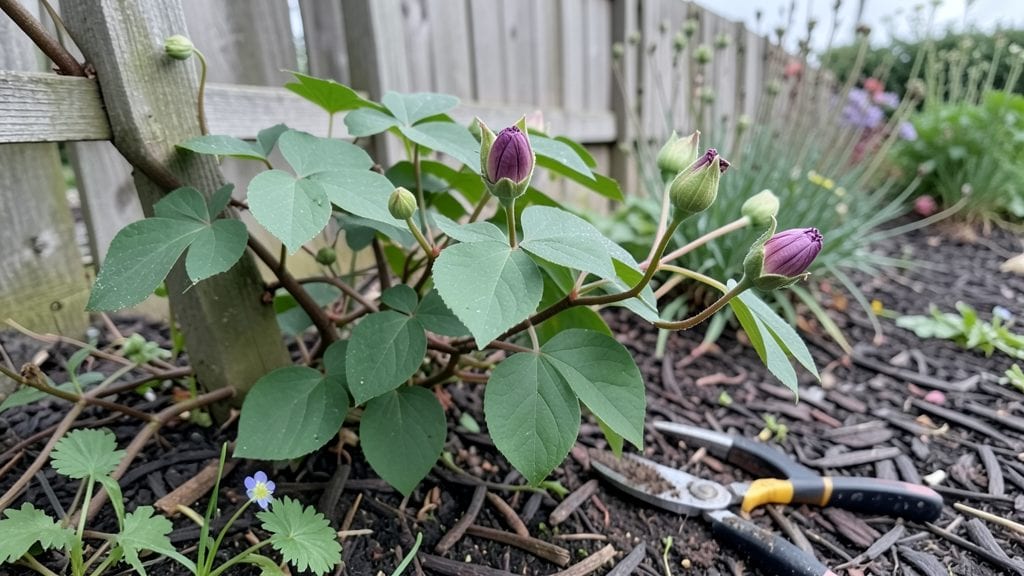
Your clematis not flowering this season might be a simple fix waiting to happen. 🌱 I’ve seen vines go from bare stems to cascades of blooms just by adjusting one overlooked detail—like sunlight, pruning, or even when you feed them.
The good news? Most clematis woes come down to a few key mistakes that are easy to correct.
Here’s the thing—clematis need full sun to partial shade, proper pruning timing, and the right nutrients to push those flower buds. I’ve had vines refuse to bloom for years until I realized they were getting too much shade from a new tree.
Or worse, I pruned at the wrong time, cutting off next year’s flowers before they even formed. The fix isn’t complicated, but it does require checking a few basics first.
By the end of this, you’ll know exactly what your vine needs—whether it’s moving it to a sunnier spot, trimming back last year’s growth, or feeding it phosphorus-rich fertilizer.
The best part? You’ll see buds forming within 4-6 weeks of making the right adjustments. Let’s get those blooms back where they belong.
And if your vine still isn’t cooperating after trying these fixes? There might be an underlying issue—like root-bound pots or disease—that needs a deeper look. That’s where things get interesting, so let’s start with the most common culprits first.
Why it happens
When your clematis refuses to put on a show, it’s often a sign that something fundamental is off—whether it’s light, nutrients, or even the plant’s own biology. Understanding these triggers is the first step to coaxing those stunning flowers back into action.
Let’s break down the most common reasons why your clematis might be sitting pretty (but not blooming).
🌿 Insufficient Sunlight or Wrong Light Conditions
Clematis are sun-worshippers, but not all varieties thrive in the same light. Most need 6–8 hours of direct sunlight daily, though some tolerate partial shade. The issue? Too little light stunts growth, while too much harsh afternoon sun can scorch leaves and stress the plant, delaying—or preventing—flowering.
- Shade-loving varieties (like Clematis montana) may bloom in dappled light, but they still need 4–6 hours of sun.
- South-facing walls or fences provide ideal morning sun + afternoon shade, balancing heat and light.
- Leaf scorch (brown, crispy edges) signals too much midday sun—prune nearby trees or add shade cloth.
Action: Observe your clematis’s light exposure for a week. If leaves look pale or leggy, it’s starving for sun. If they’re scorched, it’s getting too much.
🌱 Pruning Gone Wrong: Timing or Technique
Clematis are divided into three pruning groups, and getting this wrong can mean no flowers—or flowers in the wrong season. Here’s why pruning back at the wrong time halts blooms:
| Pruning Group | When to Prune | What Happens If You Mess Up |
|---|---|---|
| Group 1 (Early Spring) (e.g., Clematis montana) | Prune right after flowering (late spring/early summer). | Pruning too early removes next year’s flower buds. |
| Group 2 (Late Spring) (e.g., Clematis viticella) | Prune in early spring (before buds swell). | Pruning too late removes current season’s blooms. |
| Group 3 (Late Summer) (e.g., Clematis jackmanii) | Prune in late winter/early spring (before new growth starts). | Leaving too many stems can overcrowd, reducing flower quality. |
Action: Identify your clematis’s group (check tags or a plant database) and prune accordingly. Always use clean, sharp shears and cut just above a healthy bud.
💧 Water or Nutrient Imbalance
Clematis roots are shallow and thirsty, but too much or too little water throws off their flowering cycle. Here’s how:
- Underwatering: Leaves curl, stems weaken, and the plant diverts energy to survival—not blooms.
- Overwatering: Roots suffocate in soggy soil, leading to fungal diseases (like Phytophthora) that stress the plant.
- Nitrogen-heavy fertilizer: Too much N promotes lush foliage but stops flowers from forming.
- Phosphorus/potassium deficit: These are the bloom nutrients. A deficiency (yellowing leaves, weak stems) means the plant can’t produce flowers.
Action: Water deeply 1–2 times per week (more in extreme heat). Use a balanced fertilizer (10-10-10 or 5-10-10) in early spring and again after flowering, with a phosphorus boost (like bone meal) for extra blooms.
🌡️ Extreme Temperatures or Weather Stress
Clematis are hardy but sensitive to sudden temperature swings. Cold snaps, late frosts, or heatwaves can shock the plant into delaying—or skipping—flowering:
- Late frosts: Damage new growth before buds form.
- Heatwaves (>90°F/32°C): Causes buds to drop off before opening.
- Winter dieback: If roots freeze, the plant struggles to recover in spring.
Action:
- Mulch heavily in winter to protect roots.
- Use frost cloth for early spring bloomers.
- Water deeply during heatwaves to cool roots.
🐛 Pests or Diseases Stealing Energy
Hidden invaders can sap your clematis’s strength, leaving it too weak to flower. Watch for:
- Clematis wilt fungus (Ascochyta): Causes brown spots, wilting, and stem death.
- Aphids or spider mites: Suck sap, weakening stems and buds.
- Slugs/snails: Munch on young leaves and buds.
Action: Inspect leaves and stems regularly. Treat with neem oil (for pests) or copper fungicide (for wilt). Remove damaged stems immediately to prevent spread.
How to solve it
If your clematis vine is looking lovely but staying stubbornly flower-free, don’t panic! With the right approach, you can coax those blooms back into action. Below are targeted solutions based on the most common causes—each with a step-by-step plan to get your vine thriving again.
And don’t worry, we’ve included prevention tips to keep those flowers coming year after year.
###
🌱 Cause: Insufficient Sunlight
Clematis craves sunlight, especially for those vibrant blooms. If your vine is tucked in the shade, it’s likely conserving energy instead of flowering.
How to Fix It:
✅ 🔥 Relocate Your Vine (If Possible)
- Move your clematis to a spot with at least 6 hours of direct sunlight per day. South- or west-facing walls or fences are ideal.
- If repotting isn’t an option, trim nearby trees or shrubs to open up the canopy.
✅ 🍳 Supplement with Grow Lights (For Potted Clematis)
- Place a full-spectrum LED grow light 12–18 inches above the plant for 12–14 hours daily during short-day seasons (fall/winter).
- Use a timer for consistency—clematis thrives on routine!
💡 Prevention Tip:
- Plant clematis near sun-loving companions like roses or lavender to create a natural light-friendly microclimate.
- Avoid deep shade from evergreens or tall structures that block sunlight for extended periods.
###
💧 Cause: Overwatering or Poor Drainage
Too much moisture (or soggy roots) stresses clematis, diverting energy away from blooms. Root rot is a silent bloom-killer!
How to Fix It:
✅ 👨🍳 Check the Soil Moisture
- Stick your finger 2 inches deep into the soil—if it’s damp, hold off on watering. Clematis prefers evenly moist but not soggy soil.
- Water deeply 1–2 times per week (more in extreme heat) and let the top inch dry out between sessions.
✅ ⏰ Improve Drainage Fast
- Amend heavy clay soil with compost or perlite (mix in a 50/50 ratio with native soil).
- If potted, ensure the container has drainage holes and elevate it on a tray to prevent waterlogging.
✅ 🔪 Prune Affected Roots (Last Resort)
- Gently dig around the base and trim any mushy, dark roots with sterilized shears. Replant with fresh, well-draining soil.
🌡️ Prevention Tip:
- Mulch with wood chips or straw (2–3 inches deep) to regulate soil temperature and reduce evaporation.
- Avoid watering in the evening—wet foliage overnight invites fungal diseases.
###
✂️ Cause: Wrong Pruning Timing or Technique
Clematis has specific pruning needs. Cutting at the wrong time or too aggressively can delay—or even stop—flowering.
How to Fix It:
✅ 🍎 Identify Your Clematis Type First!
- Group 1 (Early Bloomers): Prune right after flowering (late spring/early summer). Never cut back hard in fall/winter!
- Group 2 (Repeat Bloomers): Prune lightly in early spring (remove dead wood) and heavily in late winter (before new growth starts).
- Group 3 (Late Bloomers): Prune in early spring—they flower on new wood!
✅ 🎯 Follow the "Third-Eye" Rule
- For Groups 2 & 3, cut back to 2–3 healthy buds (eyes) above the ground. This encourages strong new growth.
- Use clean, sharp shears and make cuts at a 45-degree angle just above a bud.
✨ Prevention Tip:
- Label your clematis if you’re unsure of its group—write it on a stake or take a photo before pruning!
- Prune on a dry, cloudy day to reduce stress on the plant.
###
🍽️ Cause: Nutrient Deficiencies or Wrong Fertilizer
Clematis is a heavy feeder, and poor nutrition can halt blooming. Too much nitrogen (for leafy growth) or too little phosphorus (for flowers) throws off the balance.
How to Fix It:
✅ 📊 Feed with the Right Formula
- Use a balanced fertilizer (like 10-10-10) in early spring to kickstart growth.
- Switch to a high-phosphorus fertilizer (5-10-5 or 3-12-6) when buds form to encourage blooming.
- Avoid high-nitrogen fertilizers (like lawn food) after mid-summer—they promote leaves, not flowers!
✅ 🥗 Boost with Organic Amendments
- Mix bone meal (for phosphorus) into the soil at planting time.
- Top-dress with compost or worm castings in spring for a slow-release nutrient boost.
💪 Prevention Tip:
- Test your soil every 2–3 years with a home kit or lab test. Clematis prefers slightly acidic to neutral pH (6.0–7.0).
- Avoid over-fertilizing—more isn’t better! Follow package instructions and water thoroughly after applying.
###
🐞 Cause: Pest or Disease Stress
Pests like spider mites or diseases like powdery mildew sap energy from your clematis, leaving it too weak to bloom.
How to Fix It:
✅ 🔪 Treat Infestations Immediately
- Spider Mites: Spray with neem oil (mix 1 tbsp per quart of water) or introduce predatory mites.
- Aphids: Blast off with a strong stream of water or use insecticidal soap.
- Powdery Mildew: Apply baking soda spray (1 tsp baking soda + 1 quart water + a drop of dish soap) weekly.
✅ 🌡️ Improve Air Circulation
- Thin out nearby plants to reduce humidity around the vine.
- Prune to open up the center of the vine for better airflow.
🎯 Prevention Tip:
- Monitor regularly—check undersides of leaves and new growth weekly.
- Preventive spray: Apply neem oil every 2 weeks during growing season as a deterrent.
With these targeted fixes, your clematis should start showing signs of new buds within 4–8 weeks. Keep an eye on progress, and don’t hesitate to adjust your approach if needed. Happy gardening—those stunning blooms are waiting just around the corner! 🌸
Frequently asked questions
Why isn’t my clematis flowering even after proper care?
If your clematis still isn’t flowering after adjusting sunlight, watering, and pruning, it might be dealing with an underlying issue like root-bound pots or disease. Check for signs of root crowding or fungal spots on leaves. Test your soil pH—clematis prefers a slightly acidic to neutral range (6.0–7.0). If the roots are healthy but blooms still won’t appear, consider repotting or consulting a local nursery for specialized help.
How do I know if my clematis is getting enough sunlight?
Look for visual clues: Pale or leggy growth means it’s starving for sun, while brown, crispy leaf edges indicate too much harsh sunlight. Most clematis varieties thrive in 6–8 hours of direct sunlight daily. If your vine is in partial shade, try relocating it to a south- or west-facing wall where it can soak up morning sun and gentle afternoon light.
Can I fertilize my clematis at any time of year?
Timing matters! Feed your clematis with a balanced fertilizer (10-10-10) in early spring to encourage growth, then switch to a high-phosphorus fertilizer (5-10-5) when buds form. Avoid fertilizing after mid-summer—too much nitrogen promotes leaves but stops flowers. For organic options, bone meal or compost works well!
What should I do if my clematis has spider mites or aphids?
Act fast! Spider mites and aphids suck the life out of your clematis, leaving it too weak to bloom. Spray with neem oil (1 tbsp per quart of water) or blast aphids off with a strong stream of water. For prevention, monitor your plant weekly and apply neem oil every 2 weeks during growing season. Keep airflow around the vine open to deter pests!
How long should I wait to see new blooms after making adjustments?
With the right fixes—like better sunlight, proper pruning, or balanced fertilizing—you should start seeing new buds in 4–8 weeks. Patience is key! Keep an eye on your vine and adjust care as needed. If no buds appear after this time, revisit the basics like soil health or pest issues. The wait is worth it for those stunning blooms!