
Flowers
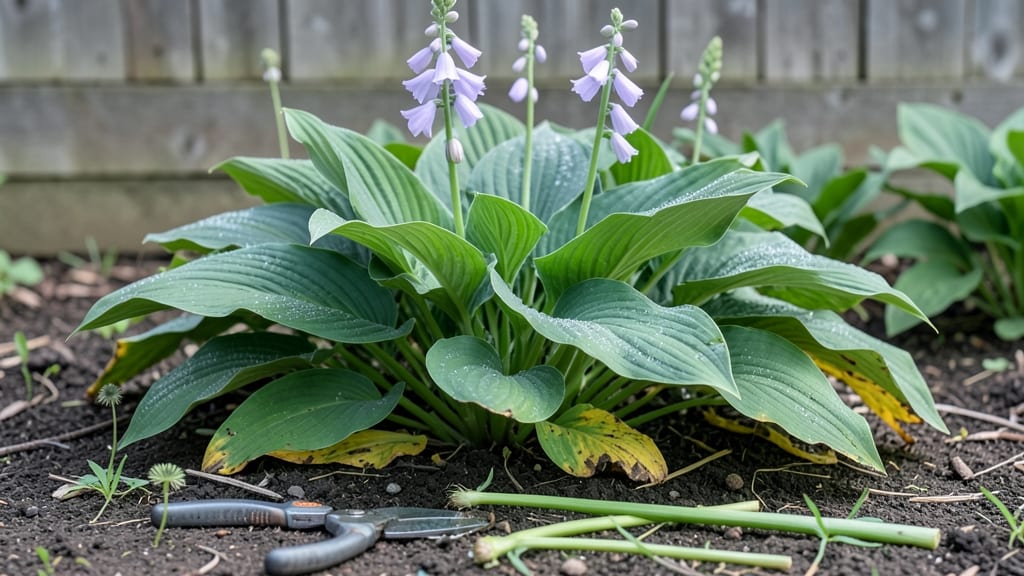
Cutting hosta flowers is all about timing—wait until they’ve fully bloomed and turned brown, usually in late summer or early fall. ✨ I used to snip them too soon, thinking it would encourage more foliage, but that just stressed the plant.
The right moment means you preserve those lush leaves while still enjoying the flowers indoors.
You’ll need sharp pruners (clean ones!) and a clear day when the plant isn’t wilted from heat or drought. Cut the flower stalks at the base with the leaves, leaving no stubs—this prevents disease and keeps the plant looking tidy.
Most hostas bounce back stronger after this, with even more vibrant foliage next season.
The flowers make stunning arrangements—delicate, fragrant, and long-lasting in water. I’ve kept cut hostas fresh for over a week in a vase, their pale blooms adding a dreamy touch to any bouquet.
Just avoid cutting too many stalks at once, or you’ll weaken the plant’s energy reserves for next year’s growth.
Here’s the kicker: cutting hosta flowers actually improves future blooms by redirecting energy to the roots and leaves. It’s a win-win—you get beauty now and a healthier plant later. Ready to try it this season?
📚 In This Guide
- What you need
- Instructions
- Tips and common mistakes
- Wrapping up and next steps
What you need
- ● Sharp pruning shears or bypass pruners – Choose sterilized, sharp tools (4–6 inch blades) to make clean cuts and prevent disease.
- ● Garden gloves – A pair of nitrile-coated gloves (size medium/large) to protect your hands from sap and thorns.
- ● Disinfectant (70% isopropyl alcohol or diluted bleach) – A small spray bottle or wipe to sanitize tools before and after pruning.
- ● Trash bag or compost bin – A heavy-duty bag (13-gallon or larger) to collect spent flowers and debris.
- ● Hand lens or magnifying glass – For spotting hidden pests or inspecting cuts up close.
- ● Pruning saw (for thick stems) – A folding pruning saw (8–10 inch blade) if your hosta has unusually thick flower stalks.
- ● Garden twine or plant ties – To secure large, floppy foliage after pruning for a neater look.
- ● Fungicide spray (copper-based) – A preventative measure if your hostas are prone to fungal issues.
Step-by-Step instructions for pruning hosta flowers
Here's how to keep your hostas looking sharp while preserving their stunning foliage.
✂️ Step 1: Time Your Cutting for Peak Foliage
Wait until after the flowers have fully bloomed but before seed pods form—usually late summer to early fall. This timing ensures you're not cutting too early (which weakens the plant) or too late (when energy shifts to seed production). Look for flowers that have faded to a soft brown and are drooping naturally.
I always prune on a dry, overcast morning to reduce stress on the plant. Wet foliage can invite fungal issues, and bright sunlight midday stresses the plant unnecessarily. If you miss the window, don't panic—you can still cut back the flower stalks later, though the foliage may not look as pristine.
✂️ Step 2: Use the Right Tools for Clean Cuts
Grab your sharp bypass pruners or clean garden shears—never use dull tools, as they crush stems and create jagged cuts that heal poorly. Disinfect your blades with rubbing alcohol first to prevent spreading disease between plants. I like to wipe them down even between hostas of the same variety, just in case.
Make your cut about 1 inch above the soil line or at the base of the plant where the flower stalk meets the foliage. This leaves a small stub that won't regrow but prevents unsightly stubble. Avoid cutting into the main foliage—your goal is to remove only the spent flower stalks.
✂️ Step 3: Remove Stalks in One Clean Motion
Grasp the flower stalk firmly at the base and snip with a single, confident cut. Pulling or tearing can damage the surrounding leaves and leave ragged edges. If the stalk is thick, hold it steady with your non-dominant hand to prevent slipping. You'll notice the stalk will often snap cleanly at the base—this is your cue to follow with the pruners.
Discard the cuttings immediately in your yard waste or compost bin (unless your hosta has slug issues—then compost them separately to avoid reintroducing pests). For large hosta clumps with multiple stalks, work your way around the plant in a circle to keep the foliage upright and accessible.
🌿 Step 4: Inspect and Maintain Foliage Health
After pruning, scan the foliage for yellowing leaves, holes, or signs of slug damage. Remove any damaged leaves at the base with the same clean cuts—this prevents disease from spreading. Healthy hosta leaves should feel firm and slightly leathery, not mushy or brittle.
Give your hosta a light drink of water if the soil feels dry to the touch. Pruning can be a minor stressor, and a quick watering helps the plant recover faster. Avoid fertilizing immediately after pruning—wait until new growth appears (usually in 2-3 weeks) before feeding with a balanced slow-release fertilizer.
⏰ Step 5: Plan for Next Season’s Blooms
If you want next year’s flowers to be even more vibrant, avoid cutting back the stalks completely until they’ve fully browned and died back naturally. This lets the plant redirect energy into next season’s blooms. However, if your hosta’s foliage is your priority, the early pruning method keeps things tidy without sacrificing too much future flowering.
Mark your calendar for late summer each year to repeat this process. Over time, you’ll notice your hostas develop denser, more robust foliage with fewer gaps between leaves. That’s your reward for keeping up with this simple maintenance!
Tips & tricks for perfect hosta pruning
These simple tricks will help you maintain your hostas' stunning foliage while keeping them healthy and vibrant for years to come.
Timing is Everything: In Step 1, those late summer to early fall windows are crucial. I've learned the hard way that cutting too early weakens the plant by removing energy it needs for foliage, while waiting too long lets the plant focus on seed production instead. Look for flowers that have faded to soft brown and are naturally drooping—this is your perfect cue. If you miss this window, don't worry! You can still cut back later, though the foliage might not look as pristine.
Tool Selection Matters: In Step 2, never underestimate the importance of sharp tools. Dull pruners crush stems and create jagged cuts that heal poorly. I always disinfect my blades with rubbing alcohol between plants to prevent disease spread. For thick stalks, hold them steady with your non-dominant hand—this prevents slipping and gives you cleaner cuts. Remember, you're aiming for that 1-inch cut above the soil line for a clean look without regrowth.
Healthy Aftercare: After pruning in Step 4, take a moment to inspect your foliage thoroughly. Remove any yellowing leaves or damaged areas immediately—they can spread disease. Healthy leaves should feel firm and slightly leathery. A light drink of water after pruning helps the plant recover faster, but avoid fertilizing until you see new growth in about 2-3 weeks. This gives your hosta time to recover from the minor stress of pruning.
Seasonal Planning: Step 5 reveals a trade-off between this year's tidiness and next year's blooms. If you want vibrant flowers next season, wait until stalks are fully browned before cutting. However, if your priority is that lush foliage, the early pruning method keeps things looking sharp without sacrificing too much future flowering. Mark your calendar for late summer each year—consistency is key to developing that dense, robust foliage you love.
Pro Tips for Cutting Hosta Flowers
- These simple tricks will help you maintain your hostas' stunning foliage while keeping them healthy and vibrant for years to come.
- Timing is Everything: In Step 1, those late summer to early fall windows are crucial.
- Tool Selection Matters: In Step 2, never underestimate the importance of sharp tools.
Frequently asked questions
Got questions about cutting hosta flowers? You’re not alone—this popular practice has plenty of nuances! Here are answers to the most common queries to help you prune with confidence.
When is the best time to cut hosta flowers?
Wait until the blooms fade naturally—usually late summer or early fall—before trimming. Cutting too early can stress the plant, while waiting too long may reduce next year’s foliage. If you love the flowers, leave them until they brown and flop over, then snip them back to the base.
Will cutting hosta flowers hurt the plant?
No, but timing matters! Hostas store energy in their leaves, so never remove more than 1/3 of the foliage at once. If you cut flowers too soon, the plant may focus energy on regrowth instead of storing it for next season. For healthy plants, occasional flower removal is fine—just do it mindfully!
Can I use hosta flowers in arrangements?
Hosta blooms are elegant and long-lasting in vases, especially when cut at dawn or dusk for freshness. Use sharp scissors to trim stems at a 45-degree angle, and place them in cool water until arranging. Just note: The foliage is the star—save the flowers for short-term decor!
What if my hosta flowers keep coming back?
Some varieties are rebloomers! If your hosta flowers persist, it may be a fast-growing species like Hosta plantaginea or Hosta sieboldiana. To manage, trim spent blooms regularly, but avoid heavy pruning—let the plant enjoy its natural cycle. For non-rebloomers, a single late-summer cut keeps things tidy.
How do I deal with hosta flowers that attract pests?
Flower heads can attract slugs, snails, or aphids—remove them promptly if you notice pests. Spray with neem oil or introduce beneficial insects like ladybugs. For prevention, mulch around the base to deter critters and keep the garden clean. Healthy foliage deters pests, so avoid over-fertilizing the flowers!
Wrapping up and next steps
Cutting hosta flowers isn’t just about tidying up—it’s a simple way to boost your plant’s health and highlight its stunning foliage. Whether you’re pruning for aesthetics, pest control, or energy conservation, timing and technique matter!
With the right tools and a little patience, you’ll transform your garden into a lush, low-maintenance masterpiece. 🌿✨
Ready to elevate your hosta game? Start by observing your plants this season—note when blooms appear and how they impact your garden’s vibe. Then, grab your shears and get pruning with confidence! Your hostas (and your neighbors) will thank you.