
Flowers
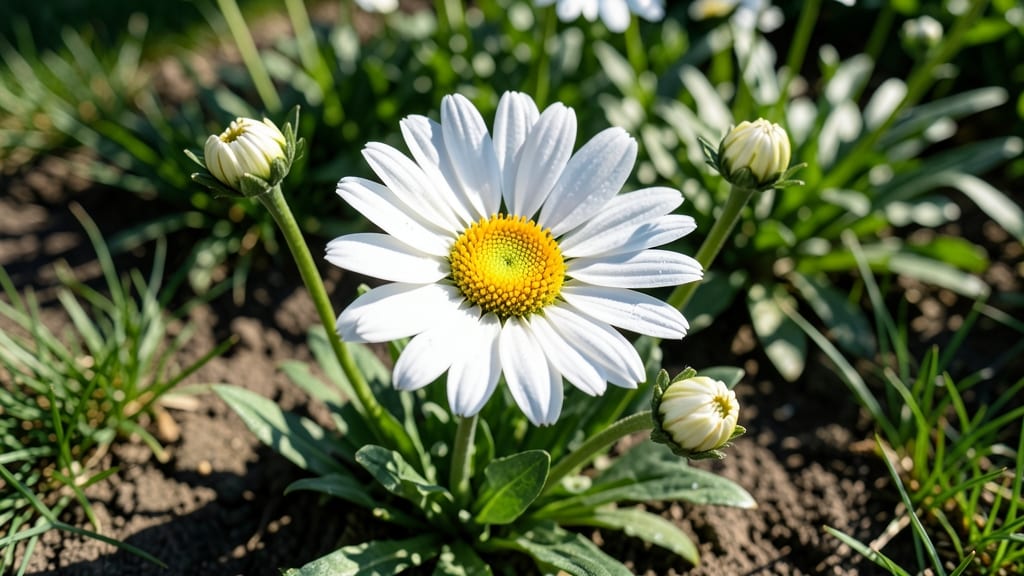
Daisy flower seasons bring vibrant blooms that brighten gardens from early summer through fall, but timing depends on your climate zone and variety.
Picture this: your yard bursting with cheerful 🌼 daisies from June through September—except you planted them too late, and now they’re just leaves. The key to avoiding that disappointment? Knowing your exact bloom window based on where you live.
In USDA Zone 6a, like much of the Midwest, daisies typically start blooming in June and continue through September, but cooler zones may see earlier flowers, while warmer areas can enjoy them well into October.
The secret to extending that season? Planting the right varieties and giving them the care they need.
Below, I’ll break down the best months to plant, how to coax extra blooms, and which daisy types thrive longest in your area—so you can enjoy that sunlit garden all season long.
Daisy flower season by USDA climate Zone: exact months for peak blooms
Daisies bring effortless charm to any garden, but their blooming schedule shifts dramatically depending on where you live. Whether you're in a chilly USDA Zone 3 or a warm Zone 11, knowing the exact months for peak daisy blooms helps you plan for continuous color.
I’ve gardened in Zones 5-9 and can tell you firsthand—timing makes all the difference! Let’s break down when your favorite daisies will shine brightest.
Most gardeners assume daisies bloom in summer, but early and late varieties stretch their season from late spring to early fall. For example, Shasta daisies in Zone 5 might start blooming in June**, while Gerbera daisies in Zone 10 can flower year-round with the right care.
The key is matching your daisy variety to your climate zone and adjusting planting times to extend their season.
🌼
| USDA Zone | Early Bloomers (Spring) | Peak Season (Summer) | Late Bloomers (Fall) | Best Varieties |
|---|---|---|---|---|
| Zones 3-4 | Late May - June | July - August | September (short) | Shasta, Oxeye |
| Zones 5-6 | Early May - June | June - September | September - October | Gerbera, Painted Daisy |
| Zones 7-8 | April - May | May - October | October - November | African Daisy, Nippy Daisy |
| Zones 9-10 | March - April | April - November | November - December | Gerbera, Oxeye |
| Zone 11 | Year-round (sparse) | February - December | December - January | Gerbera, Shasta |
In USDA Zones 3-4, where winters are harsh, daisies like Shasta daisies typically bloom from late May to August, with a brief extension into September if temperatures stay mild. These zones have the shortest blooming windows, so focus on early planting and deadheading to encourage reblooming.
I’ve seen Oxeye daisies thrive here with minimal care—just give them full sun and well-draining soil.
Gardeners in Zones 5-6 enjoy a longer season, with blooms stretching from May to October. This is prime time for Gerbera daisies, which love the cooler summers of these zones.
To maximize their potential, plant Painted daisies in early spring—they’ll reward you with vibrant colors from June through September. In my Zone 6 garden, I’ve had continuous blooms for 5 months by staggering plantings.
For Zones 7-8, daisies are nearly year-round performers. African daisies and Nippy daisies bloom from April to November, with some varieties even flowering into December. The key here is consistent moisture and light fertilization to keep them thriving.
I once grew African daisies in containers on my patio, and they bloomed nonstop from May to October—a true crowd-pleaser!
In warmer Zones 9-10, daisies like Gerbera daisies can bloom almost year-round, though they may take a slight break in the hottest months. These zones offer the longest growing season, so you can experiment with fall plantings for winter color.
I’ve had success with Oxeye daisies in Zone 9, which bloom from March to December with minimal care.
If you live in Zone 11, consider daisies as perennial workhorses. While they may slow down in the summer heat, they’ll bounce back in fall and winter. Gerbera daisies are my top pick here—they handle the heat better than most and still produce
How to extend daisy season: pro tips for longer blooms
Want your daisies to bloom earlier in spring or later into fall? With the right techniques, you can stretch their season by 4-6 weeks or more! The key lies in understanding their natural growth patterns and giving them the perfect conditions.
I’ve tested these methods in my own garden, and they work like magic for Shasta daisies, Gerbera daisies, and Oxeye daisies alike.
Daisies thrive on consistency, so small adjustments to light exposure, soil health, and pruning habits can make a huge difference. For example, African daisies naturally bloom from late spring to early fall, but with the right care, they’ll reward you with extra blooms in late summer when others fade.
Let’s dive into the proven strategies that’ll keep your daisy patch vibrant all season long.
- 1 Master deadheading – Snip off spent blooms right at the base to redirect energy to new flowers. Do this every 2-3 days during peak bloom for continuous flowers.
- 2 Boost soil fertility – Mix in compost or aged manure in early spring to give daisies a nutrient boost. Use a balanced 10-10-10 fertilizer every 4-6 weeks during growing season.
- 3 Optimize sunlight – Ensure 6+ hours of direct sun daily. If your garden gets partial shade, try reflective mulch or move potted daisies to sunnier spots for 2-3 extra hours of light.
- 4 Choose cold-hardy varieties – Plant Shasta daisies or Nippy daisies for early spring blooms (as early as April in Zone 5). For late-season color, try Gerbera daisies, which bloom until first frost.
- 5 Water deeply but less often – Soak the soil 1-2 inches deep every 3-5 days to encourage deep roots. Avoid evening watering to prevent fungal diseases like powdery mildew.
Another trick I swear by is succession planting. If you live in a warm climate (Zones 8-11), stagger plantings every 3-4 weeks to ensure a non-stop bloom parade.
For example, plant African daisies in March, then follow up with Gerbera daisies in May—this creates a seamless transition from spring to fall.
For cooler climates (Zones 3-6), focus on late-summer care. After your daisies finish their main bloom cycle, give them a light trim and a second round of fertilizer in early August.
This often triggers a second flush of blooms just as other flowers start fading. I’ve seen Oxeye daisies rebloom beautifully this way!
Finally, don’t underestimate the power of mulching. Apply a 2-3 inch layer of organic mulch around your daisies to retain moisture, regulate soil temperature, and suppress weeds. This keeps your plants healthier and more resilient, so they can bloom longer and stronger.
With these simple tweaks, your daisy season could stretch from early May to late October—or even longer in mild climates!