
Blooming
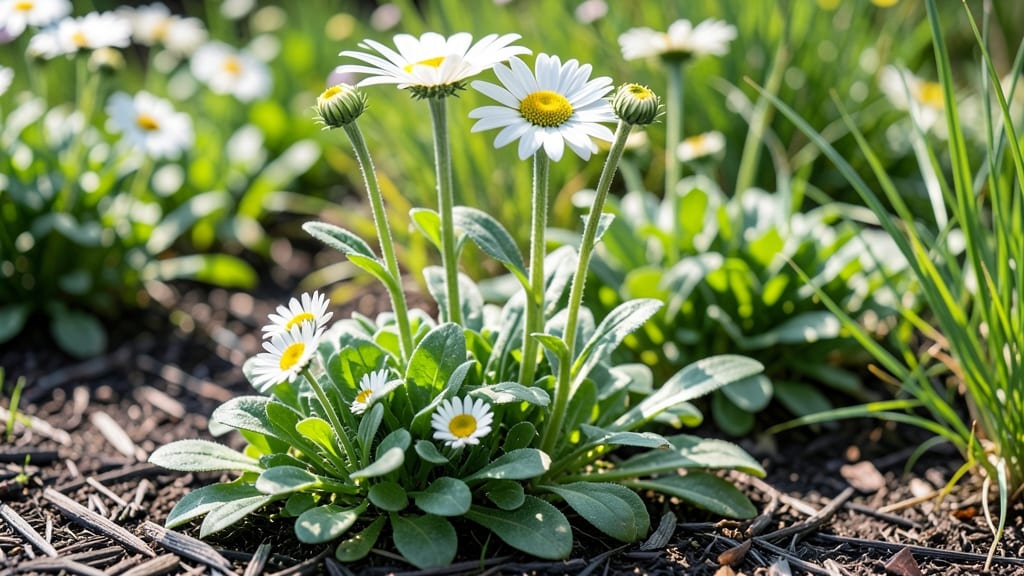
The daisy flowering time in your garden depends on the variety, your USDA zone, and a few simple care tricks that can make all the difference.
If you’ve ever wondered why your daisies bloom at different times each year—or why they seem to vanish for months—timing is everything. Understanding your zone’s flowering deadlines ensures your garden stays vibrant from spring to frost, whether you’re growing hardy gerbera daisies or delicate Shasta varieties.
In USDA Zone 6a, like many temperate regions, daisies typically burst into bloom between June and September, but early spring planting in March-April sets the stage for that showstopping display.
The key? Planting at the right time, providing full sun, and feeding them just enough to encourage those cheerful faces without overdoing it.
Below, I’ll break down the exact bloom windows for popular daisy types, how to stretch your flowering season, and the common mistakes that rob your garden of its best blooms—so you can enjoy those bright 🌼 faces all season long.
USDA zone deadlines for daisy flowering time by variety
Timing your daisy blooms isn’t just about aesthetics—it’s about matching your USDA zone to each variety’s natural rhythm. In cooler zones (3-6), hardy Shasta daisies may start blooming as early as late May, while tropical gerberas in zones 9-11 can flower year-round with proper care.
These deadlines help you plan for peak bloom periods and adjust for early frost or heatwaves.
Understanding these flowering windows lets you choose daisies that thrive in your climate. For example, oxeye daisies in zone 5 might bloom from June to September, while African daisies in zone 10 can flower continuously if given the right conditions. Let’s break down the specifics for each variety by zone.
🌱 Pro Tip: Use your last frost date as a starting point—most daisies need 60-90 frost-free days to establish roots before blooming. Adjust for wet climates (delayed planting) or dry climates (earlier watering).
| Daisy Variety | USDA Zones | Early Bloom | Peak Bloom | Late Bloom | Zone Adjustments |
|---|---|---|---|---|---|
| Shasta Daisy | 3-10 | Late May | June-August | Early September | Zones 3-5: Start seeds indoors by April; zones 6-10: direct sow after last frost. |
| Oxeye Daisy | 4-9 | June | July-September | October (frost-sensitive) | Zones 4-6: Mulch heavily for winter; zones 7-9: Deadhead to extend blooms. |
| Gerbera Daisy | 8-11 | April | May-October | November (with protection) | Zones 8-9: Grow as annuals; zones 10-11: Plant year-round with shade in summer. |
| African Daisy | 9-11 | March | April-November | December (with care) | Zones 9-11: Provide afternoon shade in summer; fertilize monthly for continuous blooms. |
In cooler zones (3-6), daisies like Shasta and oxeye rely on spring warmth to trigger blooming. Plant them 4-6 weeks before your last frost date for optimal timing. For example, in zone 5, aim for April planting to see flowers by late June.
In warmer zones (7-11), gerberas and African daisies can bloom year-round if you provide consistent moisture and partial shade during heatwaves.
For wet climates, like Pacific Northwest zones 7-9, oxeye daisies may bloom later due to cooler, damp springs. Start seeds indoors in March and transplant after May 15 to avoid soil-borne diseases.
In dry climates, such as zone 8 deserts, gerberas need daily watering to prevent bud drop. Use drip irrigation to keep soil evenly moist without wetting foliage.
🌡️ Climate Hack: In transition zones (6-7), where frost dates vary yearly, use row covers to extend the season. For Shasta daisies, this can add 2-3 weeks of blooming time in fall. Monitor your local microclimate—a south-facing garden may bloom 2 weeks earlier than a north-facing one.
If you’re in zone 10 or 11, treat gerberas and African daisies as perennials with seasonal care. In summer, reduce watering slightly to encourage dormancy during
How to extend daisy flowering time with seasonal care
Daisies reward careful gardeners with longer blooming seasons when you adjust your care to their natural rhythms. The key lies in understanding how seasonal shifts impact their growth and acting at the right moments.
Whether you're growing Shasta daisies in Zone 5 or gerbera daisies in Zone 9, these techniques will keep your garden vibrant well past the usual peak.
First, recognize that daisies follow a natural blooming cycle tied to daylight hours. In cooler zones, they often bloom earlier and may fade faster without proper support. By implementing targeted seasonal care, you can extend their flowering by 4-8 weeks.
The secret combination involves deadheading, nutrient timing, and protective measures that vary by season.
- 1 Deadhead daily during peak bloom (June-August) to prevent seed formation. Use clean pruners and remove spent blooms below the next set of buds. This redirects energy to new flower production instead of seed heads.
- 2 Fertilize strategically: Apply balanced 5-10-10 fertilizer in early spring (March-April) and mid-summer (July-August). Avoid fall fertilization as it encourages tender new growth vulnerable to frost.
- 3 Water deeply in morning hours to prevent fungal diseases. In Zones 3-7, reduce watering in September to harden plants for winter. Use drip irrigation to keep foliage dry and maintain consistent moisture.
- 4 Mulch heavily in fall (October-November) with 3-4 inches of straw or shredded leaves. This insulates roots from temperature swings and preserves moisture during winter dormancy in colder zones.
- 5 Protect from frost in Zones 3-6 by covering plants with frost cloth when nighttime temperatures drop below 28°F. Remove covers during daylight hours to prevent overheating and mold growth.
For extended-season blooming, consider dividing mature daisy clumps every 3-4 years in early spring. This rejuvenates the plant and often triggers earlier and more abundant flowering. When dividing, select healthy outer sections with multiple buds and replant them in well-amended soil with compost and bone meal for phosphorus.
In warmer climates (Zones 8-11), daisies may continue blooming through fall if given proper care. However, watch for aphid infestations that thrive in warm weather. Spray plants with neem oil weekly during September-October to prevent these pests from weakening stems and reducing bloom quality.
Remember that consistent care pays off most in late-season blooming. By following these zone-specific adjustments, your daisies will reward you with continuous color from early summer through first frost. The most important rule? Stay proactive—don't wait until blooms fade to act! 🌼