
Pruning
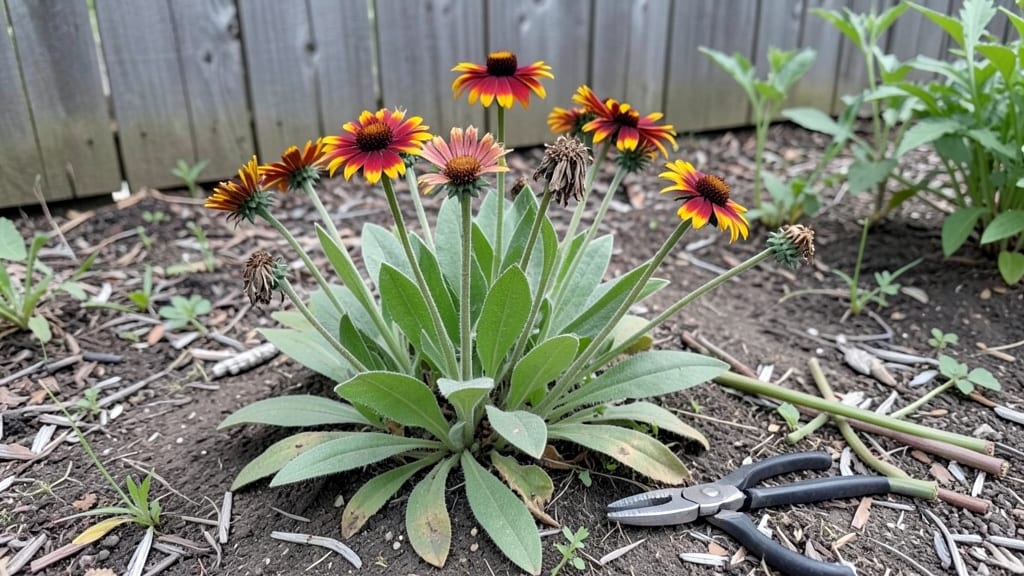
Deadheading blanket flowers keeps them blooming like they just got a second wind. 🌻 I learned the hard way that skipping this step means fewer flowers and more seed heads by midsummer—so I perfected a simple routine that extends the show for months.
The key is timing and technique, not fancy tools or complicated steps.
All you need is a sharp pair of pruners or even clean scissors, and about five minutes after each bloom fades. Cut just above the next set of leaves or where the flower stem meets the main stem—never more than a third of the plant at once.
This encourages bushier growth and prevents leggy stems that flop over.
You’ll see fresh buds opening within days, and the plants will stay vibrant until frost. Blanket flowers become a nonstop display of red, yellow, and orange blooms instead of a one-time summer show. The secret is consistency—check plants weekly during peak bloom season.
This works for both garden beds and containers, and even drought-tolerant varieties stay productive. Once you get the rhythm, it becomes second nature—and your neighbors will wonder how you keep yours looking so fresh all season.
📚 In This Guide
- What you need
- Instructions
- Tips and common mistakes
- Wrapping up and next steps
What you need
- ● Pruning shears or sharp garden scissors – Choose bypass pruners (clean cuts!) or small, handheld shears for precision.
- ○ Gloves (optional but recommended) – Lightweight gardening gloves to protect hands from thorns or rough stems.
- ○ Deadheading tool (optional) – A deadheading snip or flower-fading shears for quick, clean cuts without damaging foliage.
- ○ Water spray bottle (optional) – A light mist to refresh plants post-pruning if they look stressed.
- ● A sunny day (morning or late afternoon) – Avoid pruning in extreme heat or direct sun to prevent plant shock.
- ● Dry conditions – Wait until flowers are fully wilted but stems are still firm (not mushy or moldy).
- ● Clear workspace – Lay down a tarp or old towel to collect spent blooms and debris easily.
Step-by-Step instructions for deadheading blanket flowers
Here's the straightforward approach I use to keep my blanket flower beds bursting with color all season.
🌿 Step 1: Identify Faded Blooms at the Right Time
Start by scanning your blanket flowers for blooms that have lost their vibrant color and begun to droop. These are your targets—they won't produce new flowers unless you remove them. I like to work on overcast mornings when the flowers are still slightly dewy, making it easier to spot faded blooms against fresh ones.
Focus on removing only the individual spent flowers, not the entire stem. You'll see healthy buds forming at the base of the plant, waiting to open once the old blooms are gone. This ensures the plant directs its energy toward new growth rather than seed production.
✂️ Step 2: Use Clean, Sharp Pruners for Precision Cuts
Grab your pruning shears and make a clean cut just above the first set of healthy leaves below the faded bloom. This is where new growth will emerge. I always sterilize my pruners with rubbing alcohol before starting to prevent spreading disease between plants.
For blanket flowers, you don't need to cut back more than an inch or two at a time. The goal is to remove only the deadhead while leaving the plant's energy reserves intact. Avoid cutting into woody stems—this weakens the plant and can invite pests.
🌱 Step 3: Encourage New Growth with Proper Aftercare
After deadheading, give your blanket flowers a light watering to help them recover. Focus on the base of the plant rather than the foliage to prevent fungal issues. You'll notice new buds forming within 7-10 days, especially if you've been providing consistent moisture and sunlight.
Here's the thing—don't overdo it with fertilizer right after deadheading. The plant needs time to adjust and direct energy toward new blooms. Wait until you see fresh growth before applying a balanced, water-soluble fertilizer at half strength.
☀️ Step 4: Maintain Consistent Care for Continuous Blooms
Blanket flowers thrive with regular deadheading every 2-3 days during peak bloom season. Set a reminder or make it part of your weekly garden routine. You'll see the difference immediately—plants deadheaded consistently produce flowers for months longer than neglected ones.
Keep an eye out for leggy growth or stems stretching toward the light. This is a sign your plants need more sunlight or are getting too crowded. Thin out overgrown stems to improve air circulation and let more light reach the center of the plant.
Tips & tricks for perfect blanket flower deadheading
Here's what I've learned after years of keeping my blanket flowers blooming beautifully—simple tricks that make all the difference.
The Timing Factor: I can't stress enough how important those overcast mornings are for Step 1. The dew makes faded blooms stand out against fresh ones, so you can see exactly what needs removing. If you're working in bright sunlight, try wearing a wide-brimmed hat to reduce glare—it makes those subtle color differences much easier to spot. Trust me on this, it saves time and frustration!
Precision Cutting: In Step 2, I've found that using a pair of clean, sharp pruners makes all the difference. The cut should be clean and diagonal just above the first healthy leaves—this encourages new growth while preventing water from pooling where it could cause rot. Pro tip: If you don't have pruners, clean scissors work in a pinch, but always sterilize them first with rubbing alcohol to prevent spreading disease between plants.
Growth Observation: After deadheading in Step 3, I always mark the plants with small garden flags to track which ones I've worked on. This helps me remember which ones need special attention. You'll notice new buds forming within the 7-10 days mentioned, but keep an eye out for any stems that don't produce new growth—this might indicate underlying issues like pests or disease that need addressing.
Seasonal Adjustments: During peak bloom season when you're deadheading every 2-3 days in Step 4, I recommend setting a small timer on your phone as a reminder. The difference between consistent deadheading and sporadic maintenance is dramatic—plants kept up with this schedule can continue blooming for months longer than neglected ones. And if you notice leggy growth, it's often a sign the plants need more sunlight rather than more water.
Pro Tips for Deadhead Blanket Flowers
- Here's what I've learned after years of keeping my blanket flowers blooming beautifully—simple tricks that make all the difference.
- The Timing Factor: I can't stress enough how important those overcast mornings are for Step 1.
- Precision Cutting: In Step 2, I've found that using a pair of clean, sharp pruners makes all the difference.
Frequently asked questions
Got questions about keeping your blanket flowers blooming all season? Here are answers to the most common concerns—so you can enjoy those cheerful daisy-like flowers without the guesswork!
When should I deadhead blanket flowers?
Deadhead blanket flowers (Gaillardia) as soon as the blooms fade—usually every 1–2 weeks during peak season (late spring to early fall). This encourages new buds to form and extends your plant’s flowering period. Pro tip: Snip off spent flowers just above a set of healthy leaves for best results!
Will deadheading blanket flowers make them bloom more?
Deadheading removes spent blooms, redirecting the plant’s energy into producing new flowers instead of seeds. Without this step, blanket flowers may focus on seed production, shortening their bloom time. Think of it like pruning a rose bush—it rewards you with more gorgeous blooms!
What if I forget to deadhead my blanket flowers?
No stress! While deadheading boosts blooms, blanket flowers are forgiving. If you miss a few weeks, they’ll still produce flowers—just fewer and later in the season. Focus on deadheading regularly once you notice faded blooms, and your plant will bounce back beautifully.
Can I use deadheading techniques for other perennials?
Yes! Many perennials benefit from deadheading, including coneflowers (Echinacea), black-eyed Susans (Rudbeckia), and shasta daisies. The key is to remove spent blooms before they seed. For annuals like zinnias or marigolds, deadheading also keeps them blooming longer. Try it with your favorite flowers for a lush, continuous display!
What if my blanket flowers stop blooming despite deadheading?
If your blanket flowers refuse to bloom after deadheading, check these common issues:
- Overcrowding: Divide clumps every 2–3 years for better airflow and growth.
- Poor soil: Amend with compost and ensure well-draining soil.
- Too much nitrogen: Fertilize lightly with a balanced formula (10-10-10) to avoid leafy growth at the expense of flowers.
- Shade: Blanket flowers thrive in full sun (6+ hours daily). Move them to a sunnier spot if needed.
Wrapping up and next steps
Deadheading blanket flowers is a game-changer for keeping your garden vibrant and blooming all season long! 🌸 With just a few simple steps—clean tools, proper timing, and gentle trimming—you’ll encourage lush, continuous flowers while maintaining plant health. Don’t wait for the blooms to fade; take action now and enjoy a garden that stays fresh and full of life!
Ready to transform your garden? Grab your pruners and start deadheading today! For extra tips, check out our guide on seasonal pruning or explore other flower care techniques to keep your plants thriving.