
Pruning
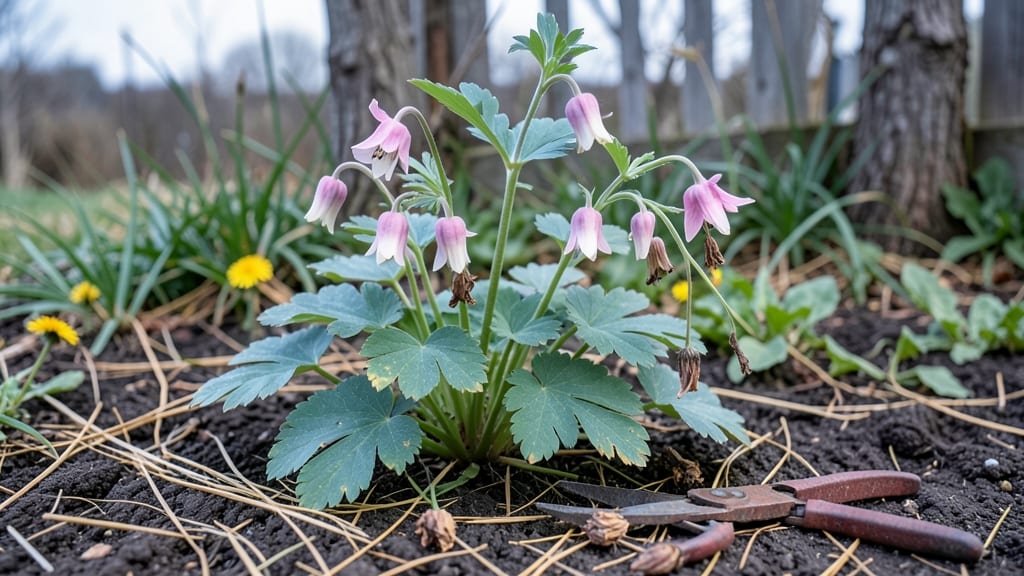
Deadheading columbine flowers keeps those nodding blue and pink blooms coming all summer long. 🌿 I learned the hard way—skipping this simple step means fewer flowers and more seed pods by mid-July. The trick is timing: snip just after the petals fade, but before the seed head swells.
You only need a pair of clean pruners and a sunny afternoon. Grab your tools after morning dew dries, and work when blooms are fully open but starting to droop.
The goal is to remove spent flowers at the base without damaging the foliage—columbines are tough, but they reward gentle handling.
What you’ll get is a bushier plant with nonstop blooms from early summer through frost. The foliage stays lush, and you’ll avoid the leggy, sparse look that comes from neglected plants. Just avoid cutting into the main stems—stick to the flower stems only.
For best results, fertilize lightly after deadheading with a balanced 10-10-10 mix. Water at the base, not the leaves, to prevent mildew. This method works for all columbine varieties, whether you’re growing the classic Aquilegia vulgaris or the bold new hybrids.
📚 In This Guide
- What you need
- Instructions
- Tips and common mistakes
- Wrapping up and next steps
What you need
- ● Pruning shears or clean, sharp scissors – Bypass pruners (4-6" blades) work best for precise cuts.
- ● Gloves – Garden gloves (cotton or leather) to protect hands from thorns.
- ○ Disinfectant (optional but recommended) – Rubbing alcohol (70% or higher) or bleach solution (1:9 bleach:water) to sterilize tools.
- ● Trash bag or compost bin – For removing spent blooms and debris.
- ● Watering can or hose – To hydrate plants post-pruning.
- ● Hand lens or magnifying glass – For spotting hidden pests or inspecting cuts.
- ● Pruning saw (for thick stems) – Only if your columbine stems are unusually woody.
- ● Fertilizer (balanced 10-10-10 or bloom booster) – To encourage new growth after trimming.
- ● Plant markers (if needed) – To label varieties if you’re experimenting with different columbine types.
How to deadhead columbine flowers for longer blooms
Here's the simple, foolproof method I use to keep my columbine blooming for months.
✂️ Step 1: Wait for the Right Moment
Don't rush—wait until 50-70% of the petals have fallen naturally from a spent bloom cluster. This signals the flower has fully completed its cycle. If you cut too early, you'll remove buds that could still open. I like to check clusters in the morning light when dew has dried; that's when faded blooms become obvious.
Look for clusters where the center turns brownish and the petals droop completely. A good bloom to deadhead will have 1-3 remaining petals still attached but the rest already fallen. This ensures you're not cutting healthy buds that could still bloom.
✂️ Step 2: Use the Proper Cutting Technique
Grab your clean, sharp pruners and make your cut just above the first set of healthy leaves below the spent bloom. Never cut into the stem's woody base—this weakens the plant. I angle my cuts slightly downward to prevent water from pooling on the stem, which could cause rot.
For columbine's unique spike-like flower stems, you might need to remove several spent blooms at once. Cut the entire stem back to 1-2 inches above the lowest healthy leaf pair if more than half the blooms are spent. This encourages stronger new growth from lower buds.
🌿 Step 3: Stimulate New Growth with Strategic Trimming
After deadheading, step back and examine the plant's overall shape. Columbine naturally grows in clusters of 3-5 flower spikes. If one spike looks particularly leggy or overgrown, you can trim it back harder (3-4 inches) to encourage bushier growth.
Here's the thing—columbine responds beautifully to this pruning. Within 2-3 weeks, you'll often see new side shoots emerging from leaf axils below your cuts. These will produce fresh blooms, sometimes even before the old season ends.
💧 Step 4: Follow Up with Proper Care
After deadheading, give your columbine a deep watering to help it recover from the slight stress of pruning. The roots need moisture to support new growth. Water at the base rather than overhead to prevent fungal issues on fresh cuts.
Watch for new buds forming within 10-14 days. They'll appear as small, tight clusters at the tips of stems or in leaf axils. This is your reward for proper deadheading! If you notice any yellowing leaves after pruning, it's just the plant adjusting—don't panic, it's normal.
Tips & tricks for perfect columbine deadheading
These simple tricks will help you keep your columbine blooming beautifully for months without the guesswork.
Timing Secret: I check my columbine blooms every morning after dew has dried—around 8-9 AM in my garden. This is when faded petals become most obvious. The 50-70% petal drop is your perfect cue, but if you're unsure, look for that telltale brownish center. I've found that waiting until this stage prevents accidentally cutting off buds that could still open.
Tool Technique: Don't use scissors—they crush stems and spread disease. Always use clean, sharp pruners. Before cutting, wipe them with rubbing alcohol to prevent transferring any potential pathogens between plants. I keep a small bottle of alcohol in my gardening caddy for quick sterilization between cuts. The downward angle I mentioned in Step 2 is crucial—it creates a natural water runoff path that prevents rot.
Growth Stimulation: After deadheading, I look for the lowest healthy leaf pair on each stem and make my cut just above it. This might seem counterintuitive, but cutting back to these leaves actually signals the plant to send out new side shoots from those leaf axils. I've seen columbine produce three successive flushes of blooms in one season using this method, with the second flush often appearing within those 2-3 weeks mentioned in the instructions.
Seasonal Strategy: For columbine that blooms early in the season, I do a final light pruning in late summer. I simply trim back any leggy stems by about 1-2 inches to encourage compact growth before winter. This helps prevent flopping stems and creates a neater plant for next year's blooms. The key is to never remove more than one-third of the plant's total foliage at any one time.
Pro Tips for Deadhead Columbine Flowers
- These simple tricks will help you keep your columbine blooming beautifully for months without the guesswork.
- Timing Secret: I check my columbine blooms every morning after dew has dried—around 8-9 AM in my garden.
- Tool Technique: Don't use scissors—they crush stems and spread disease.
Frequently asked questions
Got questions about deadheading columbine flowers? You’re not alone—this simple practice can make a big difference in your garden! Here are answers to the most common queries, straight from fellow gardeners and experts.
When is the best time to deadhead columbine flowers?
The ideal time to deadhead columbine flowers is right after they fade, usually in the early morning when the plant is hydrated. This encourages new blooms without stressing the plant. Check for wilted petals or seed pods forming—those are your cues! Avoid deadheading in extreme heat or cold, as it can shock the plant.
Will deadheading columbine flowers make it bloom more?
Deadheading removes spent blooms, redirecting the plant’s energy toward producing new flowers instead of seeds. Columbines are particularly responsive—you may see a second flush of blooms in 4–6 weeks if you keep up with the habit. Just don’t overdo it; a little trim goes a long way!
What if I miss deadheading and the columbine forms seed pods?
No worries! If seed pods form, you can still snip them off to prolong blooming. However, if you’re okay with self-seeding (columbines spread easily!), leave a few pods for next year’s garden. Just thin out excess pods to avoid overcrowding. Pro tip: Wear gloves—some seed pods can be sticky!
Can I deadhead columbine flowers with regular garden shears?
Yes! Standard garden shears work fine for deadheading columbines, as long as they’re sharp and clean. Sterilize them with rubbing alcohol between plants to prevent disease spread. For a cleaner look, trim just above a healthy leaf or bud—never leave stubs. If your shears are dull, invest in a pair of pruning snips for precision.
What if my columbine stops blooming after deadheading?
If blooming suddenly halts, check for underlying issues like over/under-watering, poor soil, or pests. Columbines also need full sun to partial shade (4–6 hours daily) and well-draining soil. If the plant looks healthy but stubborn, try fertilizing lightly with compost or a balanced fertilizer (10-10-10) in early spring. Patience pays off—new blooms should return in a few weeks!
Wrapping up and next steps
Deadheading columbine flowers is a simple yet powerful way to keep your garden vibrant and encourage a longer blooming season. By removing spent blooms, you redirect the plant’s energy toward new growth, ensuring those stunning, nodding flowers keep appearing all season long. 🌸
Now that you’re equipped with the know-how, grab those pruners and give your columbines the care they deserve! Start with just a few blooms to build confidence, and soon, your garden will be bursting with color. Happy gardening!