
Plants
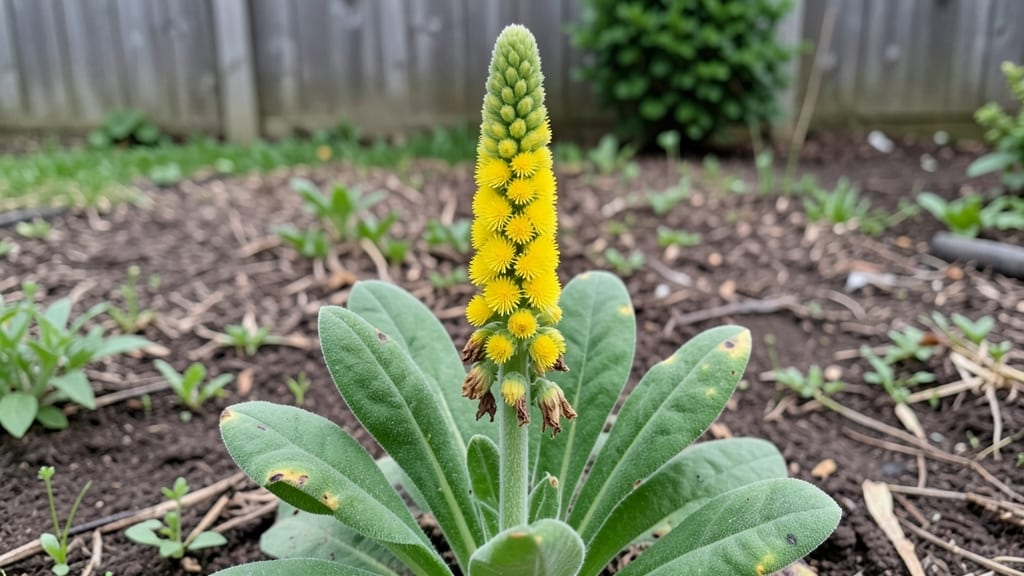
Growing dense flowered mullein 🌼 means adding a 5-foot pollinator tower to your garden with almost no effort—this hardy biennial thrives where other plants fail.
Picture this: a cottage garden border so packed with velvety yellow blooms that bees and butterflies hover like a living cloud. That’s the magic of Verbascum densiflorum, a plant that turns poor soil and full sun into a vertical spectacle without fuss.
Unlike fussy annuals, mullein seeds sown in spring (March–April in zone 6a) will reward you with two years of drama—first a rosette of fuzzy leaves, then a second-year spike of hundreds of flowers. No deadheading, no staking, just pure, low-maintenance beauty.
Below, I’ll walk you through the three secrets to coaxing those dense blooms: soil hacks, watering tricks, and the pruning no-no that’ll kill your plant faster than drought.
How to identify and select dense flowered mullein seeds for optimal growth
Dense flowered mullein (Verbascum densiflorum) stands out with its compact, velvety yellow blooms packed tightly along 5-foot-tall stems. Unlike its wild-type cousins, this cultivar produces denser flower clusters and blooms more reliably in poor, rocky soils. If you're hunting for seeds, knowing how to spot true dense flowered mullein and where to source it will save you from disappointing hybrids or mislabeled varieties.
Many gardeners confuse Verbascum densiflorum with common mullein (Verbascum thapsus), which has looser flower spikes and taller, less compact growth.
The key difference lies in the flower density—dense flowered mullein resembles a yellow candle with no gaps between blooms, while other varieties often show bare stems between clusters. This distinction matters because flower density directly impacts pollinator attraction and dried flower arrangements.
Before purchasing, verify the seed source offers organic or heirloom-certified seeds. Reputable suppliers like Baker Creek Heirloom Seeds or Seed Savers Exchange specialize in true-to-type dense flowered mullein.
Avoid bulk seed mixes labeled as "mullein" without specifying the cultivar name, as these may include wild-type or hybrid varieties with sparser blooms. When in doubt, check seed packets for photographs of mature plants—this helps confirm you're getting the compact, velvety blooms you crave.
Here’s how to compare dense flowered mullein with other varieties at a glance:
When selecting seeds, prioritize organic or heirloom-certified options to ensure genetic purity and pollinator-friendly traits. Look for suppliers that offer seed-saving guarantees, as dense flowered mullein readily self-seeds in poor, disturbed soils.
My go-to sources include Baker Creek Heirloom Seeds (for certified organic seeds) and Seed Savers Exchange (for heirloom varieties). Both provide detailed plant descriptions and growth habit photos to confirm you’re getting the true dense flowered type.
Pro tip: Store seeds in a cool, dry place (like a seed fridge) to maintain viability for 2–3 years. Dense flowered mullein seeds germinate best when sown directly in spring after the last frost date.
Avoid indoor sowing, as mullein seedlings dislike transplanting and may bolt prematurely if disturbed. For best results, scatter seeds on prepared, well-draining soil and press lightly—no need for deep burial, as light triggers germination.
If you’re sourcing seeds from wild populations, be cautious—wild mullein often cross-pollinates with cultivated varieties, diluting the dense bloom trait. To preserve genetic integrity, collect seeds from isolated plants in cottage gardens or heritage landscapes.
Always label your seeds with the year and location to track generational consistency. Over time, you may develop your own locally adapted strain with even denser blooms suited to your climate and soil.
For immediate planting success, opt for pre-packaged heirloom seeds from trusted suppliers. These often include germination tips and care instructions tailored to dense flowered mullein. Once planted, expect first-year rosettes (basal leaves) and second-year blooms
Step-by-step planting and care guide for dense flowered mullein in any climate
Dense flowered mullein (Verbascum densiflorum) thrives in even the toughest conditions, making it a low-maintenance superstar for pollinator gardens. Unlike fussy perennials, this biennial tolerates rocky soil, poor drainage, and even coastal winds—perfect for dryland landscapes or wildflower meadows. The secret? Planting at the right time and giving it space to grow.
This sun-loving giant reaches 4-5 feet tall with velvety yellow blooms that attract bees, butterflies, and hummingbirds. Whether you’re planting in sandy soil or clay-heavy ground, follow these steps to ensure robust growth and maximal flowering—even in hot, dry climates.
🌱 Planting Dense Flowered Mullein: A Step-by-Step Guide
- 1 Choose the Right Time: Sow seeds 4-6 weeks before your last frost (typically March-April in most USDA Zones 5-9). For cooler climates, plant in early spring; in hot zones, opt for fall sowing to avoid summer heat stress.
- 2 Prepare the Soil: Mullein hates soggy roots, so amend clay soil with sand or grit and sandy soil with compost. A pH of 6.0-7.5 is ideal. Avoid rich soil—poor, dry conditions encourage taller stems and denser blooms.
- 3 Plant Seeds Directly: Scatter seeds ¼ inch deep in well-draining soil, spacing them 12-18 inches apart. They germinate slowly (3-6 weeks), so keep soil lightly moist until sprouts appear. Transplanting is stressful—avoid it if possible!
- 4 Ensure Full Sun: Place plants in a south-facing spot with 6+ hours of direct sun. In hot climates, provide afternoon shade to prevent leaf scorch. Partial shade reduces flowering—this plant craves sunlight!
- 5 Water Sparingly: Water deeply but infrequently—every 7-10 days once established. Drought tolerance is high, but young seedlings need consistent moisture. Use drip irrigation to avoid wetting leaves (prevents fungal diseases).
- 6 Fertilize Lightly: Skip heavy feeding—mullein thrives in lean soil. In spring, apply a balanced 5-10-10 fertilizer (1 tbsp/plant) to boost first-year growth. Avoid fertilizing during flowering (summer) to prevent floppy stems.
- 7 Prune for Health: After first-year blooms fade, cut stems back by ½ to encourage second-year regrowth. Remove dead flowers to redirect energy to new blooms. Never prune in winter—wait until early spring.
Once established, dense flowered mullein becomes a self-sustaining pollinator powerhouse. Its tall, velvety spikes provide nectar for bees and perches for butterflies. For longer blooms, deadhead spent flowers in late summer to encourage new growth before first frost.
In winter, the plant dies back to the ground but self-seeds prolifically. If you notice overcrowding, thin seedlings in early spring to maintain 12-inch spacing