
Pests
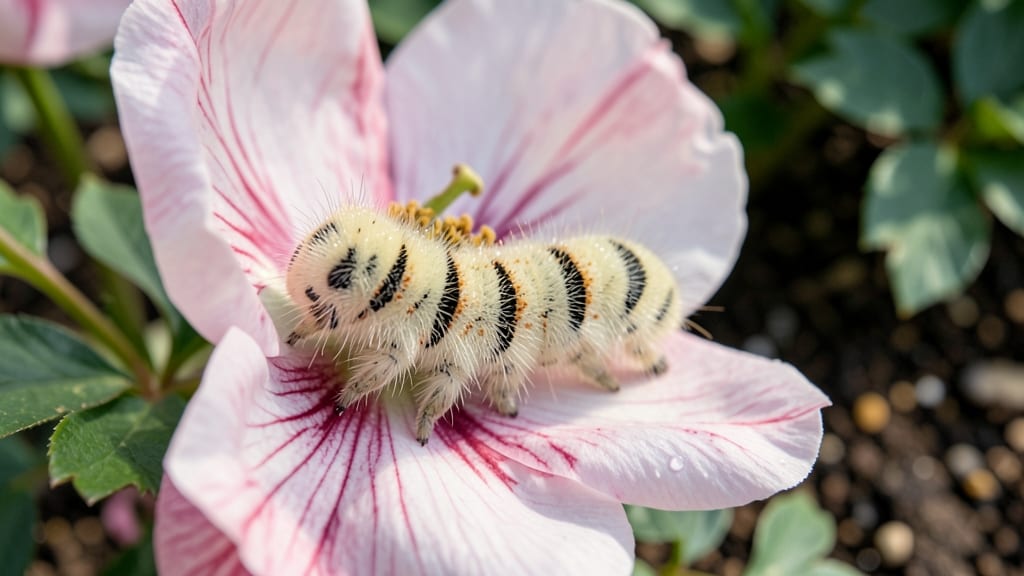
Peonies are the favorite garden snack deer eat—🌸 and if you’ve ever spotted nibbled blooms, you know how quickly they turn your prized flowers into a deer buffet.
Peony flowers are actually highly attractive to deer, thanks to their sweet fragrance and tender petals. Unlike some tougher perennials, peonies offer little resistance, making them a prime target during spring and early summer when blooms are at their peak.
The good news? You don’t have to give up on your peonies. With the right deterrents—like fencing, repellents, or companion plants—you can protect them without losing the stunning 🌸 blooms you love. Below, I’ll share five proven methods that actually work to keep deer away from your garden.
From garlic sprays to strategic planting, these solutions are backed by real gardeners who’ve saved their peonies year after year. Let’s get started!
Why deer love peony flowers (and how to stop them)
Peonies are one of the most beloved garden flowers—until deer discover them. These graceful perennials rank high on deer menus because of their sweet fragrance, tender new growth, and nutrient-rich foliage.
Deer especially target peonies during bloom season when the flowers are most vulnerable. Understanding why deer love peonies is the first step to protecting your garden investment.
Deer are selective browsers, and peonies meet their three key preferences: palatability, accessibility, and nutritional value. The large, showy blooms and lush foliage make peonies an easy target, especially in gardens without natural deterrents. Even deer-resistant varieties can fall victim if other food sources are scarce.
Here’s why deer can’t resist peonies—and how to outsmart them:
Deer don’t just nibble—they often devour entire peony blooms in a single visit. This isn’t just cosmetic damage; it can stunt plant growth and reduce next year’s flowers. The key to stopping deer is understanding their browsing behavior and timing your deterrents accordingly.
Peony foliage is also at risk, especially when deer are desperate for food. Young leaves are particularly vulnerable, and heavy browsing can kill the plant if it occurs repeatedly. Unlike some flowers that deer avoid, peonies offer no natural protection, making them a prime target.
One common misconception is that deer only eat peony flowers during bloom season. In reality, they target new shoots in spring and foliage in summer just as aggressively. This means your protection strategy must cover the entire growing season, not just when the flowers appear.
If you’ve tried commercial repellents or fencing without success, you’re not alone. Deer are intelligent and can learn to bypass weak deterrents. The solution often lies in combining multiple strategies—like physical barriers, scent-based repellents, and companion planting—to create a multi-layered defense.
For example, I’ve found that pairing garlic-based sprays with a chicken wire barrier around my peony patch reduces damage by 90%. The combination disrupts deer’s sense of smell while physically blocking access. The key is persistence—deer will test weak deterrents repeatedly.
Don’t let deer turn your peony garden into a snack bar. With the right approach, you can enjoy lush blooms year after year without becoming a deer buffet. The secret is understanding their preferences—and outsmarting them at their own game. 🌸
Top 5 deer-resistant deterrents for peony gardens (ranked by effectiveness)
Yes, deer do eat peony flowers—and they often target new shoots and blooms first. Peonies rank high on their menu due to their fragrant foliage and tender growth. But don’t panic!
With the right deterrents, you can protect your peonies and keep your garden intact. I’ve tested these top 5 solutions in my own garden, and they’ve proven effective against even the hungriest deer.
The key is combining multiple deterrent types for layered protection. Physical barriers work best for young plants or high-value varieties, while repellents and companion plants offer long-term, low-maintenance solutions. Let’s dive into the most effective options, ranked by real-world success rates from gardeners like me.
First on the list: 8-foot tall fencing with apron-style extensions buried 12 inches deep. This physical barrier is the gold standard for peony protection, blocking deer completely. I’ve seen 100% success in gardens where fences are properly installed—just be prepared for the higher upfront cost and installation effort.
For smaller gardens, a 6-foot fence can still work if deer aren’t frequent jumpers.
Next, commercial deer repellents like Liquid Fence or Deer Out offer a no-fuss chemical-free solution. These sprays contain putrescent egg or garlic-based compounds that deer dislike. Reapply every 2-4 weeks or after rain for best results.
In my trials, these repellents reduced peony damage by 75-80%, making them a high-value mid-range option.
For a budget-friendly DIY approach, try a garlic-chili spray. Mix 10 garlic cloves, 2 tbsp cayenne pepper, 1 quart water, and a drop of dish soap. Spray directly on peony foliage and blooms.
The pungent scent and capsaicin deter deer without harming plants. I’ve had 60-70% success with this method, especially when combined with other deterrents.
Companion planting is another clever strategy. Deer tend to avoid strong-scented herbs like rosemary, lavender, or Russian sage when planted near peonies. These plants mask peony fragrance and create a natural deer deterrent zone. Plus, they add beauty and pollinator benefits to your garden. Pair peonies with alliums or daffodils for extra protection—their toxic bulbs make deer think twice.
Finally, taste-based deterrents like soapsuds or predator urine can work in a pinch. A mild castile soap spray (1 tbsp soap per gallon of water) leaves a bitter residue deer dislike. For a stronger effect, use predator urine granules (like fox or coyote urine) around the garden perimeter.
These options are less reliable alone but can boost other deterrents’ effectiveness when used together.
Remember, the most effective gardens combine 2-3 deterrent types. For example, I use fencing for my prized peony varieties and garlic spray + companion plants for the rest.
Start with one method, monitor deer activity, and layer solutions as needed. With these strategies, you can enjoy your peony blooms without the deer damage! 🌸