
Watering
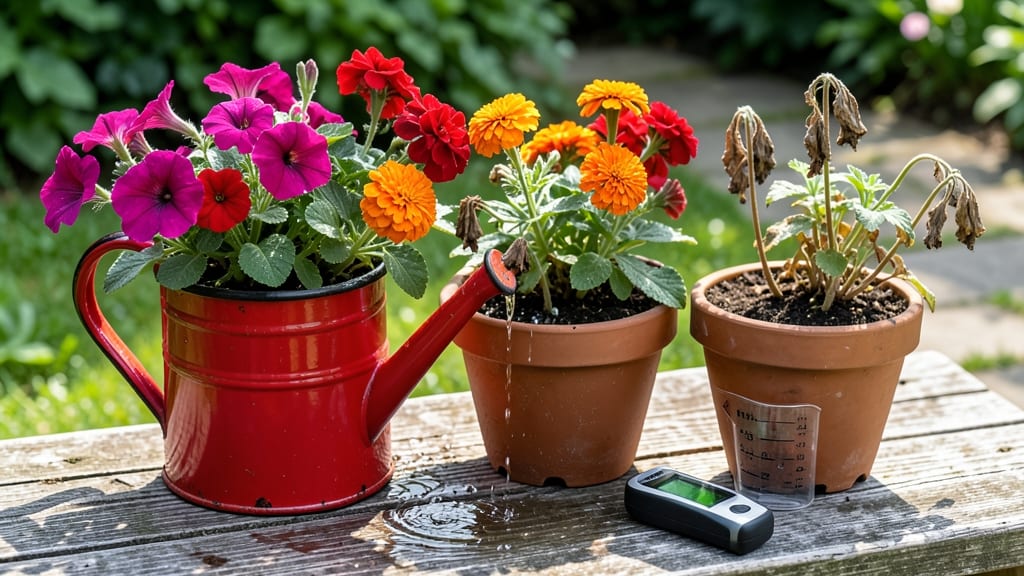
Do you have to water flowers every day? The answer is no—many thrive with less frequent hydration, especially once their roots establish deep in the soil.
Overwatering kills more plants than underwatering—and yet, many gardeners assume flowers need daily hydration. The truth is far more nuanced: your roses, succulents, and petunias may have wildly different thirst levels.
If you’ve ever walked outside to find limp petals or brown patches, you’re not alone. The key is understanding your Flower’s 🌸 specific needs, from drought-tolerant lavender to moisture-loving hydrangeas, and adjusting for your climate and soil.
Below, I break down plant-specific schedules, signs of over- or under-watering, and smart hacks like mulching and deep watering to keep your garden lush without wasting a drop.
How often flowers need water: plant type breakdown by thirst level
You don’t have to water flowers every day—in fact, most overwatering kills more plants than underwatering. The key is understanding your flower types and their natural thirst levels.
Some, like succulents, store water in their leaves, while others, such as petunias, thrive in consistently moist soil. Let’s break it down by category so you can water like a pro.
First, consider your climate zone and soil type. Sandy soil drains quickly, requiring more frequent watering, while clay holds moisture longer. Even in hot summers, drought-tolerant flowers like lavender or yarrow can survive on weekly watering, whereas moisture-loving hydrangeas or impatiens may need daily checks during heatwaves.
Here’s the science-backed breakdown of flower thirst levels, including seasonal adjustments and soil considerations to keep your garden thriving without waste.
For drought-tolerant flowers, like lavender or sedum, the rule is simple: water deeply but infrequently. These plants store water in their leaves and roots, so overwatering can lead to root rot. Stick to a weekly schedule in summer and cut back to bi-weekly in cooler months.
A 3-inch soil test (stick your finger in the soil) will tell you if it’s dry enough—if it’s bone-dry at that depth, it’s time to water.
On the other hand, moisture-loving flowers, such as hydrangeas or begonias, need consistent hydration. These plants have shallow roots and wilting can happen within hours of drying out. In hot climates, you may need to water daily, especially in containers where soil dries out faster.
A mulch layer (2-3 inches of straw or wood chips) helps retain moisture and reduces evaporation.
Seasonal shifts matter too. In spring, when flowers are establishing roots, they’ll need regular but not excessive watering.
By summer, most plants will demand more, especially in full sun conditions. Fall is a transition period—reduce watering as days grow shorter, and winter is often a dormant phase where most flowers need minimal hydration, except for evergreens or winter-blooming varieties.
Your soil type plays a critical role too. Sandy soil drains quickly, so you’ll need to water more frequently, while clay soil holds moisture longer, requiring less frequent watering. If you’re unsure about your soil, do a simple test: Grab a handful and squeeze it.
If it crumbles easily, it’s sandy; if it stays in a tight ball, it’s clay. Adjust your watering schedule accordingly to avoid waterlogged roots or parched soil.
Pro tip: Morning watering is always best. It allows foliage to dry out during the day, reducing the risk of fungal diseases like powdery mildew. Avoid watering in the evening, as damp leaves overnight can invite pests and diseases. Use a soaker hose or d
5 Signs you're overwatering (and how to fix it without killing your flowers)
Even well-meaning gardeners can drown their flowers—overwatering is the #1 silent killer of blooms. You might think your petunias or geraniums are thirsty, but soggy roots and yellow leaves often mean you're giving them too much love.
The key is understanding your plants' unique hydration needs before adjusting your watering schedule.
Most flowers signal distress through visible symptoms like wilting or moldy stems. These signs appear when roots suffocate from excess moisture, starving your plants of oxygen. The good news? Fixing overwatering is simple once you know what to watch for.
Just because you think flowers need daily water doesn't mean they do! Succulents and lavender can die in 48 hours of overwatering, while impatiens and marigolds need consistent moisture. Test soil moisture by sticking your finger 1-2 inches deep—if it's damp, wait. Mulch helps retain moisture without drowning roots.
First, check for yellowing leaves starting from the bottom. This classic nutrient leaching sign means roots can't absorb water properly due to root rot. Stop watering immediately and let the top 2-3 inches of soil dry out completely before resuming.
For container plants, ensure pots have drainage holes—no exceptions!
Another red flag is mushy stems or blackened roots when you gently tug on the plant. These are fungal infections thriving in wet conditions. Snip affected stems with sterilized scissors and repot in fresh, well-draining soil. Add 1 part perlite to every 3 parts potting mix to improve aeration.
If your flowers look wilting despite damp soil, they're suffocating. Overwatered plants can't uptake moisture because their roots lack oxygen. Fix it fast: Move potted plants to a shady spot for 24 hours, then water only when the top inch of soil feels dry.
For garden beds, aerate the soil with a fork to break up compacted, waterlogged areas.
Don't ignore white, crusty deposits on soil or pests like fungus gnats. These are clear signs of overwatering-induced stress. Dump excess soil from pots and rinse roots under lukewarm water to remove residue.
Replace soil with a fungus-free mix and reduce watering to every 3-5 days until symptoms disappear.
Pro tip: Use a moisture meter or the finger test to avoid guesswork. Most flowers thrive when watered deeply but infrequently—aim for 1 inch of water per week in most climates.
Adjust for rainy seasons or hot summers by checking soil moisture daily. Your flowers will thank you with vibrant blooms all season! 🌸