
Watering
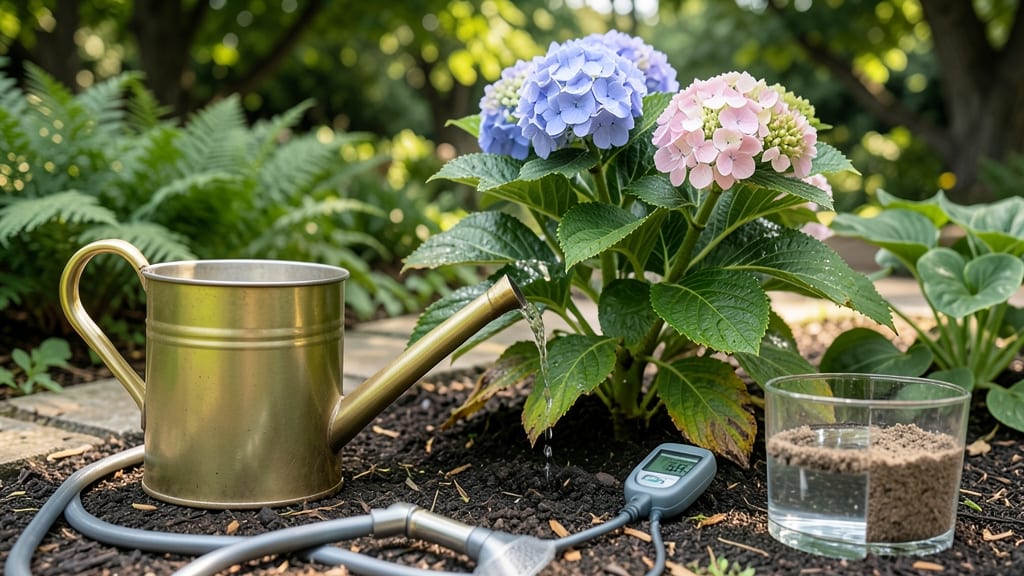
Should you water flowers every day? You might think your 🌸 blooms are begging for daily hydration, but most flowers thrive on deep, infrequent watering that encourages strong roots—and overdoing it can actually kill them faster than underwatering. The key? Checking soil moisture instead of following a rigid schedule.
In Zone 6a, spring and summer heat can dry soil in as little as 2-3 days, while fall and winter often require watering just once a week. The right approach depends on your plant type, pot size, and even the time of day you water.
Below, I’ll break down the science of smart watering—how to tell when your flowers truly need a drink, how to adjust for seasonal shifts, and the 3 signs you’re overwatering without realizing it.
Daily watering risks: when overwatering flowers becomes a silent killer
I’ve watched hundreds of blooms wither away not from thirst, but from too much love in the form of water.
Daily watering feels like a safe bet—after all, who wants their flowers to dry out?—but the truth is far more subtle. Overwatering creates a suffocating environment where roots can’t breathe, inviting root rot and fungal diseases that silently strangle your plants before you even notice.
Take succulents like echeveria or sedum: they store water in their leaves and can go weeks without a drink. Yet, I’ve seen gardeners drown them daily, thinking they’re helping.
The result? Mushy stems and yellowing leaves—clear signs of overwatering stress. Even hydrangeas, which love moisture, can’t handle soggy soil for days on end.
Here’s the kicker: soil type and climate dictate how often your flowers truly need water. Sandy soil drains quickly, while clay holds moisture like a sponge. In humid climates, plants absorb water through the air, reducing their need for irrigation.
But in arid regions, even drought-tolerant flowers may need more frequent watering—just not daily.
The real danger lies in the silent signs of overwatering. Yellow leaves, wilting despite damp soil, and a foul odor around the base are red flags. I’ve lost roses and petunias this way because I assumed wilting meant thirst when it was actually root suffocation.
🌱
⚠️ Overwatering Warning Signs You’re Drowning Your Flowers
- Mushy stems or blackened roots: Classic root rot from prolonged soggy soil.
- Yellowing leaves (not brown edges): Often a sign of overwatering, not nutrient deficiency.
- Foul-smelling soil: Bacterial or fungal growth thrives in waterlogged conditions.
- Wilting despite damp soil: Roots can’t absorb oxygen, causing stress signals.
💡 Fix it: Let soil dry 2-3 inches deep between waterings. For potted flowers, ensure pots have drainage holes and use well-draining soil mixes.
Let’s break down how different flower types react to daily watering. Tropical flowers like hibiscus or canna lilies thrive in consistently moist soil but still need aeration.
Their roots rot if submerged for days. On the other hand, drought-resistant flowers like lavender or yarrow can survive on weekly waterings in hot climates.
I once had a hydrangea bush that thrived on every-other-day watering in summer, but when I moved it to a shadier spot with heavy clay soil, it begged for water daily.
The lesson? Adjust your watering schedule based on location, not just plant type. A morning watering is always better than evening—it reduces fungal spores that thrive in damp, cool nights.
Another hidden risk is nutrient leaching. When you water daily, you’re flushing away essential minerals like nitrogen and potassium that your flowers need to bloom. Over time, this leads to weak stems, pale leaves, and fewer flowers.
I’ve seen tomatoes (technically fruits, but often grown for their flowers) produce small, bland blooms because of overwatering-induced nutrient loss.
Soil moisture tests are your best friend. Stick your finger 2 inches deep into the soil. If it’s damp, wait. If it’s dry, water deeply until it runs out the drainage holes.
I use a wooden skewer for potted plants—when it comes out clean, it’s time to water. For in-ground flowers, a simple soil probe (or even a butter knife) works wonders.
🌿
Remember, flowers don’t need daily watering unless you’re in a desert climate or dealing with extreme heatwaves. Even then, deep, infrequent watering is better than shallow, frequent sips.
The goal is to mimic natural rainfall patterns: slow, deep soaks that encourage strong root growth rather than shallow roots that beg for more water.
Next time you’re tempted to grab the hose, ask yourself: Is my soil dry 2 inches down? If not, your flowers might be drowning in kindness. Trust the soil, not the calendar.
☀️
Smart watering schedules: how often to water flowers by type (with soil tests)
Not all flowers crave daily hydration—some thrive on weekly deep watering, while others wilt if you don't water them every 2 days. The key is understanding your plant's root depth and climate zone.
Tropical hibiscus and impatiens love moisture, while lavender and succulents despise soggy soil. Let’s break down the science so you can water like a pro.
Before grabbing your hose, test your soil’s moisture level. Stick your finger 2-3 inches deep—if it feels dry, it’s time to water. For potted flowers, check the soil daily since containers dry out faster.
Adjust your schedule based on seasonal heatwaves or prolonged rain, as these drastically change your plant’s needs.
For container-grown flowers, like geraniums or begonias, watering every 2-3 days is typical, but always check the soil. Containers heat up faster, causing moisture to evaporate quicker.
If your mulch layer is thin, water evaporates faster—add a 2-inch mulch of straw or bark to retain moisture and regulate soil temperature.
Seasonal shifts demand flexibility. In summer heatwaves, tropical flowers may need daily watering, while perennials can handle every 5-7 days if mulched. Conversely, in fall or winter, reduce watering by 50% unless your region experiences freezing temps, which can stress roots.
Always water in the early morning to prevent fungal diseases like powdery mildew.
Pro tip: Group flowers by water needs in your garden. Place drought-tolerant plants like salvia near the edge of beds and thirsty annuals near your irrigation source.
This zonal watering saves time and ensures no plant gets neglected. Observe your flowers—wilting leaves or yellowing foliage often signal over- or underwatering.
Remember, consistency is key. Flowers establish deep roots when watered deeply but infrequently. Avoid shallow, frequent watering, which encourages weak, shallow roots. With this plant-specific schedule, your garden will bloom healthier and longer—without the guesswork. 🌸