
Diseases
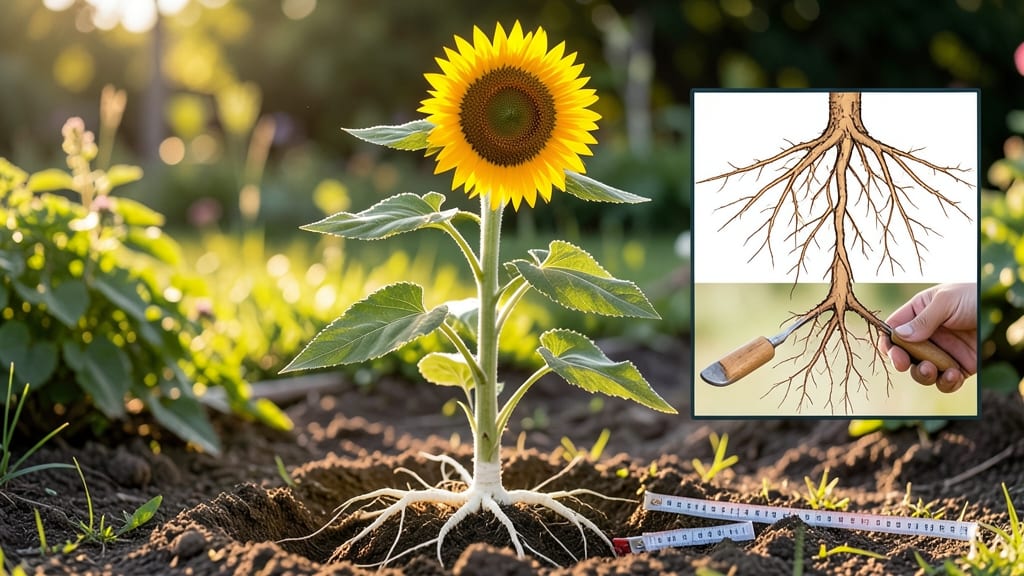
Sunflower roots dive deep into the soil—often plunging 3 to 10 feet—to access water and nutrients, making root depth the hidden secret behind their towering height.
Did you know these golden giants 🌻 can grow roots deeper than a child’s reach—sometimes plunging over 10 feet into the soil? Understanding sunflower root depth isn’t just fascinating; it’s critical for maximizing growth, soil health, and even drought resistance in your garden.
Too shallow, and your sunflowers struggle to stand tall or survive dry spells. Too deep, and you risk compacted soil or overcrowded roots. The key lies in preparing the soil right—loosening it deeply, spacing plants properly, and avoiding common mistakes that stunt their growth.
In this guide, I’ll break down exactly how deep sunflower roots grow, why it matters for your garden, and the simple steps you can take to help them thrive from seed to harvest.
How deep do sunflower roots grow? A breakdown by variety and conditions
Sunflowers (Helianthus annuus) are known for their towering stems and vibrant blooms, but their root systems are just as impressive. While most gardeners focus on the above-ground growth, understanding sunflower root depth is key to supporting healthy plants.
The taproot system of sunflowers can extend 3 to 10+ feet deep, depending on the variety and growing conditions. This deep reach helps them access water and nutrients, especially in drought-prone areas.
Wild sunflower species, like Helianthus debilis, often develop shallower roots—around 1 to 3 feet—while cultivated varieties, such as Mammoth or Russian Giant sunflowers, can plunge 8 to 12 feet into the soil.
The depth of their roots directly impacts their stability, nutrient uptake, and even their drought tolerance. For example, a 10-foot taproot can access moisture far below the surface, making sunflowers surprisingly resilient in dry climates.
Soil type plays a massive role in root development. Loose, well-draining soil allows roots to penetrate deeply, while compacted or clay-heavy soil can restrict growth to just 2 to 4 feet. Sandy soils, on the other hand, may encourage deeper rooting because water drains quickly, prompting roots to seek moisture below the surface. Organic matter, like compost, also improves root expansion by creating air pockets and reducing soil resistance.
Here’s a quick breakdown of how sunflower root depth varies by type and condition:
The taproot system of sunflowers is their primary anchor, but they also develop lateral roots that spread outward to stabilize the plant. These lateral roots can extend 2 to 4 feet horizontally, creating a wide network that supports the plant’s height.
In poor soil conditions, like clay or rock-heavy ground, roots may struggle to penetrate deeply, leading to stunted growth or even toppling in high winds.
Water availability is another critical factor. Sunflowers in dry climates develop deeper roots to access groundwater, while those in well-watered gardens may focus more on lateral spread. For example, in arid regions, sunflower roots can reach 10+ feet to survive, whereas in irrigated fields, they might only grow 4 to 6 feet deep. This adaptability is one reason sunflowers thrive in diverse environments, from desert gardens to temperate farmlands.
If you’re planting sunflowers in containers, root depth becomes a major limitation. Most standard pots only allow roots to grow 12 to 18 inches deep, which can stunt the plant’s growth.
To compensate, choose dwarf varieties or use deep containers (2+ feet) for larger types. Adding organic compost to the soil can also encourage deeper rooting by improving aeration and nutrient availability.
Understanding sunflower root depth isn’t just academic—it directly impacts your gardening success. Deep roots mean better drought resistance, stronger plants, and even higher seed yields. For instance, a 10-foot taproot can access nutrients and water that shallow-rooted plants miss, leading to healthier, more productive sunflowers.
Whether you’re growing them for cut flowers, birdseed, or just their beauty, giving their roots the space they need is a game-changer.
Next time you plant sunflowers, take a moment to consider their hidden underground world. A little extra care—like loosening soil or mulching deeply—can make all the difference in how well your sunflowers grow.
And who knows? You might just grow a sunflower with roots deeper than you ever imagined!
Why root depth matters: soil health, water access, and plant stability
Sunflower roots aren’t just long—they’re lifelines for your plants. A deep root system stabilizes towering sunflower stalks during storms, while also accessing water and nutrients from deeper soil layers.
Without proper root development, your sunflowers may wilt in heatwaves or topple over before reaching their full 10-foot potential. This isn’t just about aesthetics; it’s about survival.
Deep roots also improve soil structure by breaking up compacted layers, allowing air and water to penetrate more easily. This creates a healthier ecosystem for beneficial microbes and worms, which in turn boosts nutrient availability for your sunflowers. When roots thrive, your entire garden benefits—not just the sunflowers.
⚠️ WARNING: Common Mistakes That Stunt Sunflower Roots ⚠️
Compacted soil from foot traffic or heavy equipment smothers roots, restricting their ability to spread. Test your soil—if it feels hard when dry or stays muddy when wet, it’s time to amend with compost.
Shallow watering encourages roots to stay near the surface, making plants vulnerable to drought. Always water deeply (1–2 gallons per plant) to encourage downward growth.
Sunflowers with shallow roots struggle to access deep moisture reserves, leaving them dependent on frequent surface watering. This creates a vicious cycle: shallow roots mean less drought resistance, which means more watering, which can lead to fungal diseases if soil stays too wet.
Deep roots, however, act like natural water storage tanks, keeping plants hydrated even during dry spells.
Another critical benefit of deep roots is plant stability. Sunflowers can grow taller than a basketball hoop, but without a strong root system, they’ll flop over in the first strong wind.
Imagine a 12-foot sunflower toppling onto your veggie patch—disaster! Proper root depth ensures your sunflowers stay upright, maximizing their sun exposure and seed production.
To encourage deeper roots, try these practical fixes:
- Mulch heavily (3–4 inches) with straw or wood chips to protect soil from compaction and retain moisture.
- Use deep-watering techniques, like soaker hoses, to simulate natural rainfall and encourage roots to grow downward.
- Avoid over-fertilizing with nitrogen, which promotes leafy growth at the expense of roots.
Remember, healthy roots mean healthier plants—and that’s a win for your entire garden ecosystem. With the right care, your sunflowers won’t just survive; they’ll thrive and tower like nature intended. 🌻