
How To
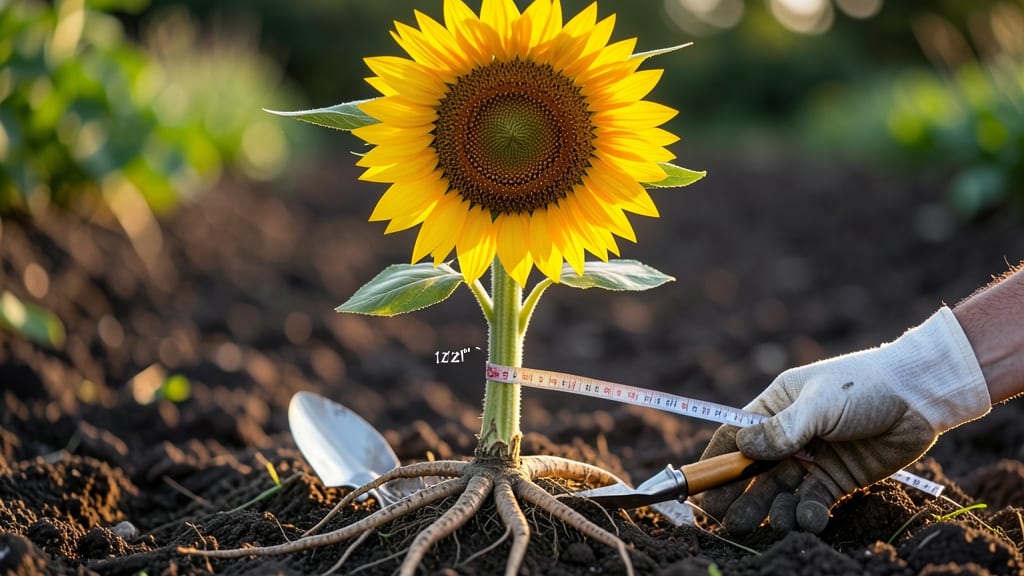
How deep sunflower roots go can surprise you—often reaching 3 to 5 feet or more, depending on the variety and soil conditions.
Picture this: a towering 🌻 sunflower standing strong in a breeze, its roots anchoring deep below the surface. But what if your soil is shallow or compacted? That’s where the real challenge begins, because those roots need space to grow—or your plants might lean, wilt, or even topple over.
Understanding how deep sunflower roots go isn’t just about curiosity—it’s about giving your plants the best chance to thrive. Too shallow, and you risk weak stems. Too deep, and you might be wasting effort.
The key? Balancing soil depth, variety, and proper care to keep those roots happy and your sunflowers reaching for the sky.
In this guide, I’ll break down the science behind sunflower root depth, share tips for preparing your soil, and show you how to avoid common mistakes that could stunt your plants’ growth. Let’s dig in!
Sunflower root depth explained: how far down do they grow?
Sunflowers develop a primary taproot that anchors them deep into the soil, reaching depths most gardeners underestimate. On average, mature sunflower roots can extend 3 to 6 feet below the surface, with some varieties like Mammoth sunflowers surpassing 6 feet when conditions are ideal.
This deep root system isn’t just for show—it’s what gives those towering stems the stability they need to support 100-pound flower heads.
The depth of sunflower roots varies dramatically between varieties, with dwarf varieties like 'Teddy Bear' reaching only 1 to 2 feet, while giant varieties like 'Russian Giant' can plunge roots 7+ feet deep. This variation is critical for gardeners choosing varieties based on their soil type and space constraints.
Beyond the primary taproot, sunflowers develop a network of secondary lateral roots that spread horizontally, absorbing water and nutrients from the top 12 to 24 inches of soil. These lateral roots are especially active during the plant’s vegetative growth phase (first 6-8 weeks), when rapid stem elongation occurs.
Without adequate lateral root development, even deep taproots can’t compensate for poor nutrient uptake.
| Variety | Primary Taproot Depth | Lateral Root Spread | Stem Stability |
|---|---|---|---|
| Dwarf ('Teddy Bear') | 1-2 feet | 6-12 inches | Moderate (wind-prone) |
| Semi-Dwarf ('Moulin Rouge') | 2-4 feet | 12-18 inches | Good (sturdy stems) |
| Standard ('Autumn Beauty') | 4-6 feet | 18-24 inches | Excellent (deep anchor) |
| Giant ('Russian Giant') | 6-8+ feet | 24-36 inches | Superior (wind-resistant) |
The relationship between root depth and stem stability is direct: deeper roots mean stronger anchorage. Studies show that sunflowers with taproots exceeding 4 feet experience 70% less toppling in windy conditions compared to those with shallow roots.
This is why giant varieties often require staking even when planted in loose, deep soil—because their roots can’t always keep up with their massive above-ground growth.
Root growth rates in sunflowers are rapid during early development. Within the first 30 days, a sunflower seedling’s taproot can grow 1 inch per day under ideal conditions (warm soil, consistent moisture). By 60 days, the root system typically reaches 50% of its maximum depth.
This early growth phase is when proper soil preparation matters most—compacted or rocky soil can stunt root penetration, leading to weaker stems.
Soil type plays a crucial role in determining how deep sunflower roots will grow. In loamy soil, roots can penetrate easily, reaching their full potential depth. However, in clay-heavy or compacted soil, roots may only reach 25-50% of their potential depth.
Sandy soil, while well-draining, can limit lateral root spread due to poor nutrient retention. Amending your soil with compost or organic matter before planting can improve root penetration by 30-50%.
One common misconception is that sunflowers don’t need deep soil. However, planting them in containers or shallow beds (12 inches deep) will severely limit their root growth, resulting in stunted plants that struggle to support their own weight.
For in-ground planting, aim for a soil depth of at least 24 inches to accommodate mature root systems. In raised beds, ensure the bed is 18 inches deep minimum.
To encourage deep root growth, focus on deep watering techniques. Instead of frequent shallow watering, soak the soil to a depth of 12-18 inches every 3-5 days during the growing season. This mimics natural rainfall and encourages roots to grow deeper in search of moisture.
Mulching around the base of the plant with straw or wood chips helps maintain soil moisture and temperature, further supporting root development.
If you’re growing sunflowers in urban gardens with limited soil depth, consider dwarf or semi-dwarf varieties that thrive in shallower conditions. For giant varieties, you might need to amend the soil with sand or perlite to improve drainage and root penetration.
Always test your soil’s depth before planting—simply dig a hole and measure how far your shovel goes before hitting resistance.
Optimal soil depth for sunflowers: what you need to plant successfully
When planting sunflowers, most gardeners focus on the towering stems and vibrant blooms—but the real foundation lies underground. Sunflower seeds need 1-inch deep planting for proper germination, but their mature roots can extend 3-5 feet deep into the soil.
This deep root system anchors the plant and accesses nutrients, but only if you prepare the soil correctly.
Many beginners make the mistake of planting seeds too shallow, which leads to weak roots and top-heavy stems that snap in wind or rain. Others compact the soil around young plants, restricting root growth. The key is creating a loose, well-draining environment that encourages roots to explore downward naturally.
For optimal growth, start by loosening the soil to a depth of at least 12 inches before planting. Mix in 2-3 inches of compost to improve drainage and provide nutrients.
Sunflowers thrive in loose, crumbly soil that allows roots to penetrate easily. Avoid heavy clay soils unless amended—roots struggle to break through dense layers, leading to stunted growth.
After planting, maintain soil moisture without overwatering. Deep watering 2-3 times per week encourages roots to grow downward, while shallow watering promotes surface roots. Mulch around the base with 2-3 inches of straw to retain moisture and prevent soil compaction from heavy rain.
If you notice your sunflowers leaning or wilting despite regular watering, check the soil depth. Gently dig around the base to see if roots are spreading horizontally.
If so, loosen the soil further and water deeply to encourage downward growth. Remember, the deeper the roots, the more stable—and impressive—your sunflowers will be.
For container-grown sunflowers, choose pots with at least 12-inch depth and drainage holes. Dwarf varieties like 'Teddy Bear' tolerate shallower containers, but standard varieties need room to develop their full root systems. Always plant seeds 1 inch deep and keep soil consistently moist until germination.
With the right soil preparation, your sunflowers will develop strong roots that support their towering height. Pay attention to depth, drainage, and soil structure—your plants will thank you with vibrant blooms and sturdy stems that reach for the sky. 🌻