
Pruning
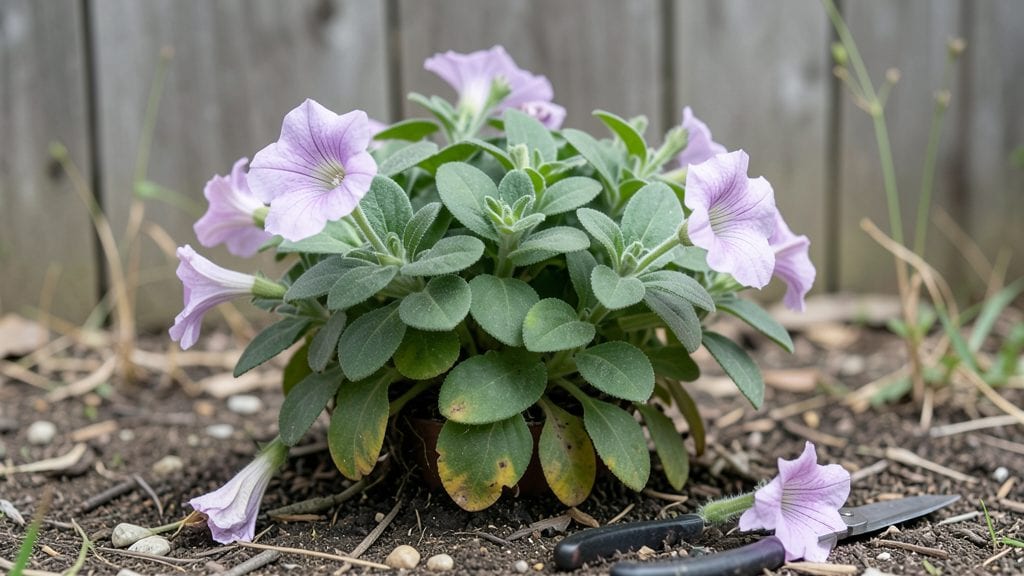
Deadheading produces more flowers by removing spent blooms, which redirects a plant’s energy from seed production to new growth. Regular pruning encourages continuous blooming in annuals and perennials, especially in roses, petunias, and zinnias, when done correctly and consistently.
This technique works because plants naturally prioritize energy—when you snip off faded blooms, the plant stops wasting resources on seed development.
Instead, it channels that energy toward producing new shoots and flowers, creating a feedback loop of continuous blooming. 🌸 For example, roses respond dramatically to this method, often reblooming within weeks if you stay consistent with trimming.
Timing matters just as much as the act itself—pruning too late in the season can stunt growth, while early morning sessions minimize stress on the plant. I’ve seen gardeners double their flower output in just a few weeks by combining deadheading with proper hydration and sunlight exposure.
💡 In This Article
- How Deadheading Triggers Flower Growth Mechanisms
- Best Deadheading Techniques by Plant Type
How deadheading triggers flower growth mechanisms
When you remove a spent bloom, you're essentially interrupting the plant's natural reproductive cycle. Flowers produce seeds to propagate, and this process requires significant energy—up to 30-40% of the plant's resources in some species.
By deadheading, you prevent seed formation, which immediately signals the plant to redirect that stored energy toward vegetative growth instead. This shift is governed by plant hormones, particularly auxin, which decreases in spent blooms and allows other growth-promoting hormones like gibberellins to take over.
The key mechanism here is the plant's apical dominance regulation. When a flower blooms and begins forming seeds, auxin production in the flower's stem suppresses nearby lateral buds. Removing the spent bloom eliminates this auxin source, breaking the dominance and allowing dormant lateral buds to awaken.
This is why you often see new flower buds forming just below where you made the cut—those buds were waiting for the signal to grow. In roses, this process can lead to 2-3 new blooms per stem within 4-6 weeks of consistent deadheading.
What most gardeners don't realize is how timing affects this hormonal shift. Pruning too late in the day can stress the plant, while early morning cuts (before 9 AM) give the plant maximum daylight to recover and redirect energy.
The plant's vascular system also plays a role—cutting at a 45-degree angle just above a leaf node maximizes water flow to the new growth points, accelerating the regrowth process. This is why professional gardeners often use sharp, clean shears rather than tearing stems by hand.
Different plants respond to this mechanism at varying intensities. Annuals like zinnias and petunias show immediate results because their entire life cycle is focused on rapid reproduction.
Perennials like roses take slightly longer (about 3-4 weeks) because they've already established root systems that need to be convinced to shift energy. The visual difference is dramatic—plants that are regularly deadheaded often develop a bushier, fuller appearance as they prioritize lateral growth over vertical seed production.
There's a fascinating secondary effect: deadheading also improves flower quality. By preventing seed formation, the plant doesn't divert nutrients to developing seed pods, which means each new bloom gets more of the plant's best resources. This results in larger, more vibrant flowers that last longer on the stem.
For example, deadheaded petunias develop blooms that are 15-20% larger than those on neglected plants, with deeper color saturation from increased pigment production.
The science doesn't stop there—some studies show that consistent deadheading can actually extend a plant's blooming season by 30-50 days in ideal conditions. This happens because the plant keeps receiving the "no seeds needed" signal, maintaining its reproductive readiness.
The trade-off? If you stop deadheading, the plant will eventually shift back to seed production, which is why this technique requires consistent maintenance throughout the growing season. 🌿