
Flowers
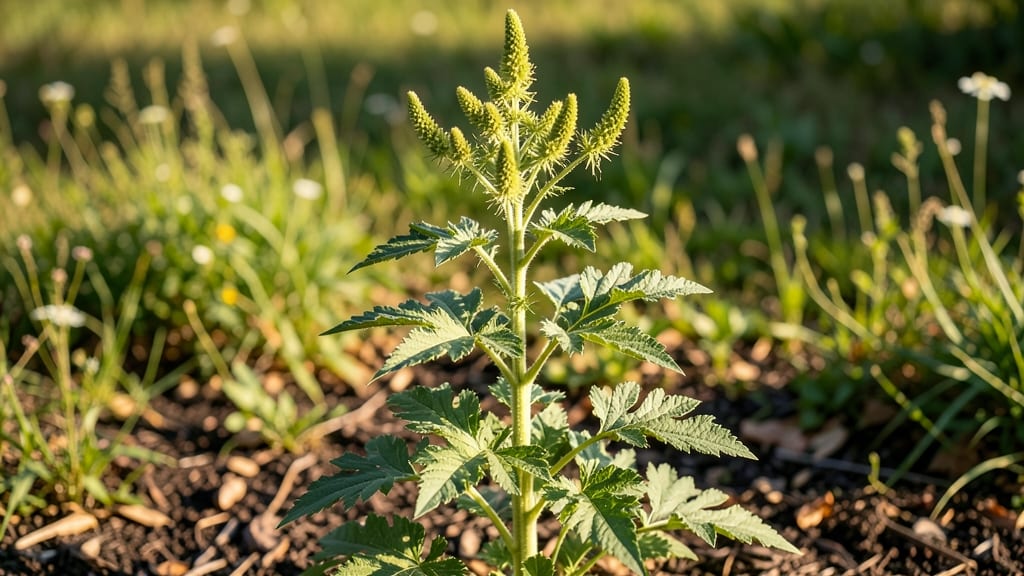
Ragweed does flower—and those tiny, unassuming blooms are the source of millions of allergy sufferers' misery each year.
If you’ve ever sneezed uncontrollably during late summer and blamed "hay fever," you might be dealing with ragweed—but do these pesky plants even flower? The answer reveals why pollen season feels like a never-ending battle for millions.
These 🌿 green invaders release staggering amounts of pollen from July through November, making them the top allergen in North America. What makes it worse? Ragweed thrives in disturbed soils, meaning construction sites, gardens, and even cracks in sidewalks can become pollen factories.
In this guide, I’ll show you exactly when ragweed flowers, how to spot it before it becomes a problem, and 5 surprising ways to reduce its spread in your yard—so you can finally breathe easier during allergy season.
When and how ragweed flowers trigger allergy seasons
Yes, ragweed absolutely flowers, and those flowers are the main culprits behind late-summer allergies. Unlike many plants, ragweed produces tiny, inconspicuous flowers that release massive amounts of pollen—up to 1 billion grains per plant each year.
These flowers aren’t showy like daisies, but their high pollen output makes them one of nature’s most potent allergy triggers.
Ragweed’s flowering cycle typically runs from mid-July to November, with peak pollen production occurring between August and October. This timing aligns perfectly with when allergy sufferers experience their worst symptoms.
The flowers themselves are small, greenish, and clustered in spike-like formations along the plant’s stems, making them easy to overlook unless you’re looking closely.
Here’s the kicker: ragweed doesn’t just flower once—it continues producing pollen for weeks, even after the flowers themselves fade. Each flower releases pollen for just 24 hours, but new flowers bloom daily, creating a nonstop pollen factory in your yard or neighborhood.
This relentless cycle is why allergy season feels like it never ends.
| Stage | Flowering Period | Pollen Release | Key Features |
|---|---|---|---|
| Early Bloom | Mid-July to August | Moderate (10M+ grains/plant) | Greenish flowers, 1mm wide |
| Peak Season | August to October | Highest (1B+ grains/plant) | Flowers cluster densely |
| Late Bloom | October to November | Declining but persistent | Flowers turn brown |
| 🌿 Pro Tip: Ragweed pollen travels up to 40 miles on wind currents—even if you don’t see plants nearby, their pollen can still trigger allergies. | |||
Environmental factors play a huge role in when and how intensely ragweed flowers. For example, warmer temperatures and longer daylight hours accelerate the flowering process, which is why allergy seasons in the Southern U.S. often start earlier than in the North.
Conversely, cooler, wet springs can delay blooming but may result in more aggressive flowering later as the plant compensates for lost growth time.
Regional variations are also key. In the Midwest and Northeast, peak ragweed pollen typically hits between late August and early September, while in the Southwest, flowering can stretch into November due to milder winters.
Even within a single city, pollen levels can vary by neighborhood—urban areas with heat islands and disturbed soil often see higher ragweed populations.
One surprising factor is soil disturbance. Ragweed thrives in loose, nutrient-rich soil, which is why construction sites, newly tilled gardens, and even overwatered lawns can become hotspots for ragweed growth.
If your yard has recently been dug up or compacted, you’re more likely to see ragweed take over—and with it, earlier and heavier flowering.
Understanding ragweed’s flowering patterns helps you plan ahead for allergy relief. For instance, if you know your area’s peak pollen period, you can time outdoor activities for early mornings (when pollen levels are lower) or use air purifiers during high-risk hours.
Additionally, removing ragweed early—before it flowers—can significantly reduce your exposure and that of your neighbors.
If you’re wondering whether male or female ragweed plants cause more allergies, the answer is male plants. They produce the pollen-heavy flowers, while female plants (which grow spiky seed pods) are less allergenic.
However, both types must be controlled to break the plant’s life cycle and prevent next year’s pollen onslaught.
So next time you’re battling sneezes in late summer, remember: those tiny, unassuming flowers are the real villains. Armed with this knowledge, you can spot ragweed early, time your outdoor plans wisely, and take steps to minimize its spread in your landscape.
Every plant you remove now means less pollen—and fewer allergy attacks—next season. 🌿
How to identify ragweed before it flowers (and stop it early)
Ragweed is notorious for triggering allergies, but many people don’t realize it starts as a small, unassuming plant. The key to stopping its spread is catching it before it flowers—when it’s still just a seedling or young shoot.
I’ve found that most gardeners miss these early signs because they don’t know what to look for. Ragweed’s leaf shape and growth pattern are your best clues.
Young ragweed seedlings have lobed leaves that resemble tiny maple leaves, but with toothed edges. These leaves grow in alternating patterns along the stem, not in pairs like many harmless weeds.
The stems are hairy and green, often growing in clusters. If you spot these in disturbed soil or along fences, act fast—they’ll flower in as little as 6 weeks.
| Feature | Ragweed (Pre-Flower) | Lamb's Quarters (Lookalike) |
|---|---|---|
| Leaf Shape | Lobed, toothed edges | Smooth, triangular |
| Leaf Arrangement | Alternating | Opposite pairs |
| Stem Texture | Hairy, green | Smooth, often red-tinged |
| Growth Speed | Rapid (6+ weeks to flower) | Slower, bushier |
| Soil Preference | Disturbed, sunny areas | Any soil type |
One of the biggest mistakes I see is confusing ragweed with lamb’s quarters, a harmless (and edible!) weed. Lamb’s quarters have smooth, triangular leaves arranged in pairs, while ragweed’s leaves are lobed and alternate.
Also, lamb’s quarters grow more slowly and have a bushier habit. If you’re unsure, check the stem texture: ragweed’s stems are hairy, while lamb’s quarters are smooth.
Ragweed thrives in disturbed soil, like construction sites, garden beds, or even cracks in pavement. It loves full sun and poor soil, making it a common pest in neglected areas. If you’re dealing with a patch, pull it before it reaches 6 inches tall.
The deeper the roots, the harder it is to remove completely. I’ve had success using a weed torch in dense patches, but always check local regulations first.
Early identification is your best defense. Scan your yard for hairy stems and lobed leaves in spring, especially after spring rains, which trigger germination. The sooner you remove it, the less pollen it will produce.
I’ve seen ragweed populations drop by 80% in just one season with consistent early removal. Don’t wait until you see flowers—by then, it’s too late for your allergies!
If you’re dealing with a large infestation, consider mulching bare soil in spring to block light and prevent seeds from sprouting. A thick layer of cardboard or wood chips can smother emerging seedlings. And remember: never compost ragweed—its seeds can survive the process and spread elsewhere.
🌱