
Light Requirements
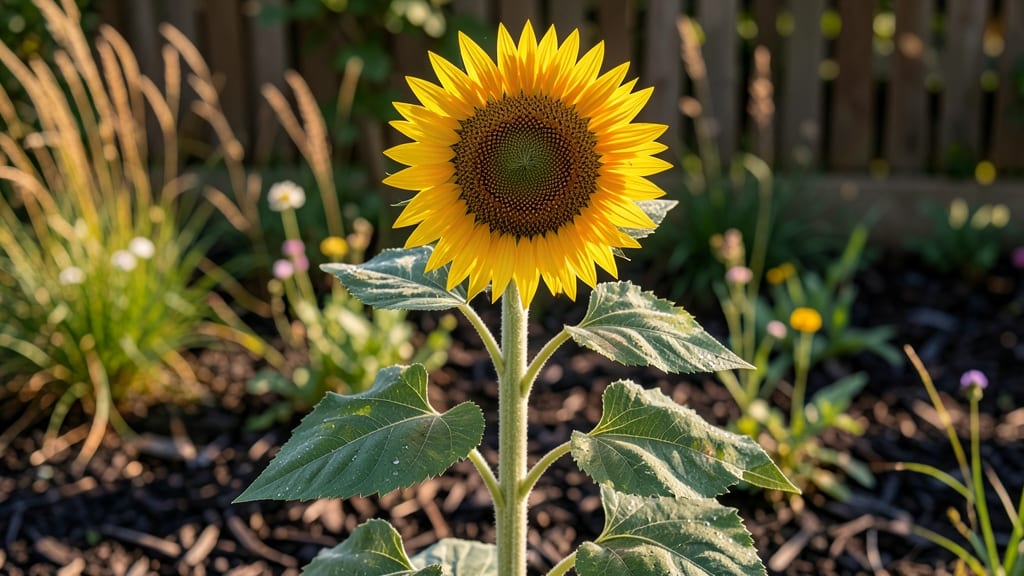
Sunflowers need sunlight to thrive, with 6-8 hours of direct light daily being the golden rule for those towering 🌻 giants in your garden.
Picture this: your sunflowers planted in a shady corner, stretching their stems toward the sky like they’re reaching for a long-lost friend. Without enough light, they’ll grow leggy, weak, and produce tiny blooms—or worse, no flowers at all.
This isn’t just about aesthetics. Sunlight is the fuel that powers photosynthesis, helping sunflowers grow tall, strong, and full of vibrant blooms. Without it, their potential stays buried beneath the soil.
In this guide, I’ll break down exactly how much sunlight sunflowers need, what happens when they don’t get enough, and how to position them for maximum growth—even if your garden isn’t the sunniest spot on the block.
 Best Window Placement
How much sunlight sunflowers need for optimal growth
Sunflowers aren’t just pretty faces—they’re sunlight powerhouses that thrive when basking in bright rays. As a sunflower enthusiast, I’ve learned that these towering beauties demand full sun exposure to reach their full potential.
Without enough light, you’ll miss out on those iconic giant blooms and robust stems that can grow taller than your fence!
Scientifically speaking, sunflowers rely on photosynthesis to convert sunlight into energy. Their large, broad leaves are perfectly designed to capture maximum solar energy, fueling rapid growth and vibrant flower production. When sunlight is limited, this process slows down, leading to weaker plants and smaller yields.
Here’s the golden rule: Sunflowers need at least 6-8 hours of direct sunlight daily. This minimum ensures healthy development, but more is always better if your garden can provide it. In ideal conditions, sunflowers can soak up 10+ hours of sunlight without complaint, especially during their peak growing months.
Let’s break down exactly how sunlight affects different aspects of sunflower growth—from stem strength to flower size and even seed production. Understanding these connections will help you position your sunflowers for success in your garden.
| Growth Factor | Minimum Sunlight | Ideal Sunlight | Result of Insufficient Light |
|---|---|---|---|
| Stem Height | 6 hours | 8+ hours | Stunted, weak stems (3-6 ft max) |
| Flower Size | 6 hours | 8-10 hours | Small blooms (6-12 inches) |
| Seed Production | 6 hours | 10+ hours | Fewer, smaller seeds |
| Photosynthesis Rate | 6 hours | Full day | Slower energy production |
| Disease Resistance | 6 hours | Full sun | Increased fungal risks |
Sunlight doesn’t just affect how tall your sunflowers grow—it directly impacts their flower diameter. With 8+ hours of sun, you’ll see those classic 12-inch-wide blooms that sunflowers are famous for.
Cut that sunlight short, and you’ll end up with tiny, underwhelming flowers that barely measure 6 inches across. Trust me, the difference is night and day!
For seed production, the stakes are even higher. Sunflowers need plenty of sunlight to develop plump, high-quality seeds. In low-light conditions, the seeds become smaller and less viable, which is a bummer if you’re growing sunflowers for bird feed or cooking oil.
The more sunlight your plants receive, the more seeds they’ll produce—and the bigger those seeds will be.
If you’re growing sunflowers in containers or urban gardens, maximizing sunlight becomes even more critical. Position your pots in the sunniest spot possible, like a south-facing patio or balcony.
If your space is shady, consider using reflective surfaces like white walls or mirrors to bounce extra light onto your plants.
One common misconception is that sunflowers can thrive in partial shade. While they might survive with less light, they’ll never reach their full potential. If you’re in a shady climate, choose dwarf varieties like ‘Teddy Bear’ or ‘Moulin Rouge,’ which tolerate partial shade better than their towering cousins.
Pro tip: Pay attention to the direction of sunlight in your garden. Morning sun is gentle and helps prevent leaf scorch, while afternoon sun provides the intense rays sunflowers crave. A mix of both is ideal for keeping your plants happy and healthy throughout the day.
Remember, sunflowers are heliotropic, meaning their flower heads follow the sun as it moves across the sky. This behavior isn’t just charming—it’s a sign of a plant that’s thriving in optimal light conditions.
If your sunflowers aren’t tracking the sun, it might be a sign they’re not getting enough light.
So, if you’re serious about growing show-stopping sunflowers, prioritize sunlight. Plant them in the sunniest corner of your garden, and watch as they reward you with tall stems, giant blooms, and bountiful seeds. Your sunflowers—and your neighbors—will thank you!
What happens when sunflowers don’t get enough sunlight
Sunflowers thrive under bright sunlight, but when they don’t get enough, their growth suffers dramatically. Without adequate sunlight exposure, these cheerful plants can become leggy, weak, and produce tiny blooms instead of their signature large, vibrant flowers.
The lack of sun directly impacts their ability to perform photosynthesis, which is essential for energy production and growth.
Even partial shade can lead to noticeable problems, like stunted stems and fewer flower buds. If you’ve noticed your sunflowers looking sad or underwhelming, it might be time to check their lighting conditions. Understanding the signs of sunlight deficiency can help you take corrective action before it’s too late.
⚠️ Warning: Sunlight Deficiency in Sunflowers
Sunflowers require 6-8+ hours of direct sunlight daily. Without it, they’ll show these red flags:
- Leggy stems reaching toward light
- Pale, weak leaves with yellowing
- Small, sparse blooms (or no flowers at all)
- Slow growth or stunted height
One of the first signs of sunlight deficiency in sunflowers is leggy growth. When deprived of light, they stretch their stems unnaturally to reach any available sunlight, making them weak and prone to falling over.
This is a clear signal that your sunflowers need more direct light to grow strong and sturdy.
Another common issue is smaller, fewer blooms. Sunflowers rely on sunlight to produce energy for flowering. Without enough light, they may produce only a few tiny blooms—or none at all. If you’re dreaming of a towering sunflower display, ensuring they get plenty of sun is a must.
To help sunflowers in shady spots, consider relocating them to a sunnier area of your garden. If moving isn’t an option, try using reflective surfaces like white walls or mirrors to bounce extra light onto the plants.
Even a few extra hours of sunlight can make a big difference in their growth and flower production.
If your sunflowers are already struggling, don’t worry—it’s never too late to adjust their environment. With the right amount of sunlight, they’ll bounce back and reward you with those iconic, cheerful blooms you love. Keep an eye on their progress and make adjustments as needed! 🌻