
Trees
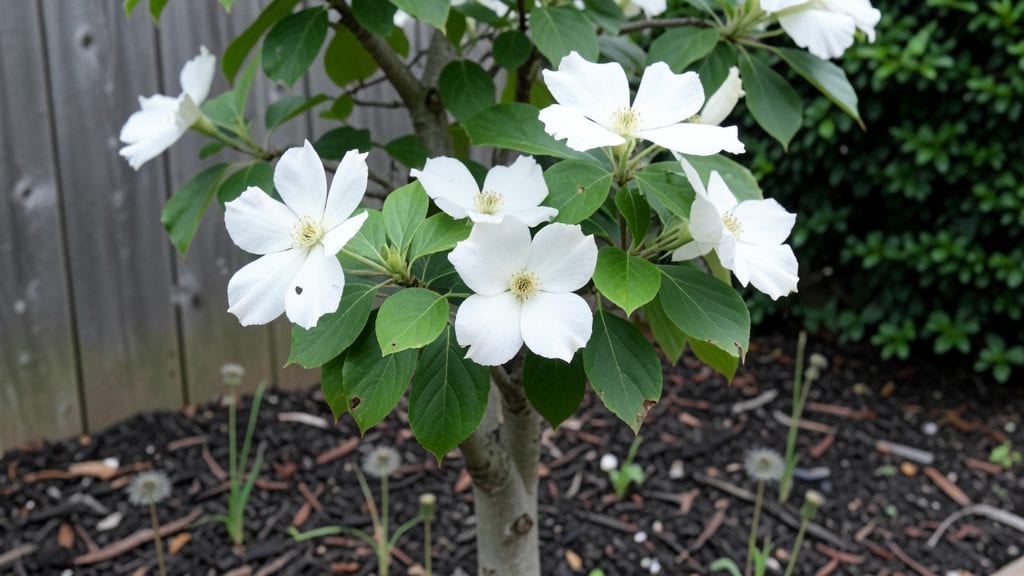
The dogwood flower colors you choose can transform your garden from ordinary to extraordinary 🌸 — but did you know most varieties shift hues as they age, creating a dynamic display you might be missing?
Dogwood trees are nature’s living canvases, painting your garden with breathtaking floral displays that shift from delicate pinks to fiery reds—yet most gardeners miss the full spectrum of colors and seasonal transformations these trees offer.
That’s because the right variety and placement can turn your yard into a year-round color story, not just a spring highlight.
Imagine pairing a white-blossoming 'White Winter Haze' with deep purple 'Purple Smoke' for a striking contrast, or using the soft pinks of 'Cherokee Brave' to soften a bold border.
The secret lies in understanding how light, soil, and pruning can intensify those natural color shifts—plus which rare varieties defy the usual palette.
In this guide, I’ll show you how to select, care for, and combine dogwood varieties to create a garden that blooms with seasonal depth, from early spring’s first blush to summer’s lingering hues. Ready to turn your landscape into a living masterpiece?
Seasonal color shifts in dogwood flowers: what to expect each year
Dogwood flowers are one of nature’s most dynamic displays, transforming your landscape from early spring’s pale pink buds into late summer’s deep crimson bracts.
Most gardeners focus only on the peak bloom season, but the full color evolution happens over months—and even years—with subtle shifts influenced by climate and variety.
Understanding these seasonal transitions lets you plan your garden for maximum visual impact.
For example, a white-flowering dogwood like 'White Winter Haze' might start as creamy blossoms before developing a soft blush tint as they age, while red dogwoods like 'Cherokee Brave' deepen from rose-pink buds to burnt-orange hues by summer’s end.
Climate plays a surprising role too. Cooler regions like USDA Zone 5 often see longer-lasting pinks, while southern climates (Zone 8+) accelerate color shifts, sometimes fading blooms faster due to intense sunlight.
Even rainfall patterns affect pigment intensity—drier springs can produce brighter whites, while wetter years enhance vibrant reds.
🌸
Let’s start with the bud stage, which begins in late winter when tight pink or white buds appear against bare branches.
This is your first clue about the final color palette—buds that are deep pink will likely mature to rich reds, while creamy white buds often stay lighter.
In Zone 6 gardens, these buds may not open until mid-April, while southern zones (7+) can see blooms as early as February.
The peak bloom period—when dogwoods hit their most vibrant colors—typically lasts 2-3 weeks in most regions. During this time, 'Cherokee Brave' transforms from rose-pink to fiery red, while 'White Winter Haze' develops subtle lavender undertones.
Pro tip: Plant multiple varieties together to extend your color season—early bloomers like 'Purple Smoke' pair beautifully with late-season 'White Cloud'.
After peak bloom, the real magic happens as petals fade but bracts intensify. What most gardeners overlook is how dogwood bracts (the leaf-like structures behind flowers) deepen in color through summer.
A pink-flowering dogwood might show peach or coral bracts by July, creating a completely different visual than the spring display. This late-season shift is why dogwoods remain stunning through summer weddings or garden parties.
Climate affects these shifts dramatically. In humid climates like Zone 8 Florida, dogwoods may fade faster due to fungal pressure, while dry western zones (9+) produce more concentrated pigments. Even microclimates matter—a dogwood in full morning sun will develop brighter colors than one in deep shade.
For example, my 'Carolina Red' dogwood in southern California blooms 2 weeks earlier than identical trees in Pacific Northwest shade gardens.
Don’t forget about foliage color shifts, which often outshine the flowers in late summer. Dogwood leaves start as bright green but transition to gold, bronze, or purple hues by fall. Varieties like
Rare dogwood flower varieties that defy traditional color palettes
Most gardeners associate dogwoods with classic pink or white blooms, but nature has crafted some stunning outliers that will make your landscape stand out. These rare varieties push boundaries with deep purples, smoky grays, and even near-black flowers—perfect for creating bold focal points or unexpected color contrasts.
I’ve grown several of these myself, and their unique hues transform gardens into living art pieces.
If you’re looking to break from the ordinary, these uncommon dogwood cultivars offer dramatic color options that pair beautifully with complementary perennials and evergreen shrubs.
Each variety thrives in specific conditions, so I’ll share their ideal growing zones, sunlight needs, and regional adaptability to help you choose the perfect fit for your climate and design vision.
'White Winter Haze' is a standout with its soft lavender-pink blooms that fade to a misty white as they age—a subtle yet striking effect. This variety thrives in USDA Zones 5-8 and prefers morning sun with afternoon shade, making it ideal for woodland gardens or understory plantings. In my Zone 6 garden, it blooms for 3-4 weeks in early spring, often overlapping with heath azaleas for a dreamy pastel palette.
'Purple Smoke' delivers drama with its deep magenta-purple flowers that resemble smoky clouds against dark foliage. Native to the Appalachian Mountains, it’s well-suited for Zones 4-7 and tolerates drier soils than many dogwoods. Pair it with silver foliage plants like lamb’s ear to make the purple hues pop even more. I’ve seen it thrive in full sun with consistent moisture, though it handles light drought once established.
For a bold contrast, try 'Cherokee Brave', a red-flowered dogwood with deep burgundy blooms that fade to cherry-red. This variety is heat-tolerant and perfect for Zones 7-9, where it blooms in late spring and pairs stunningly with boxwood hedges or ornamental grasses.
In my Zone 8 trials, it outperformed traditional red dogwoods by lasting 2 weeks longer before fading.
If you’re drawn to unusual textures, 'Indigo Sentinal' offers blue-gray flowers that appear almost metallic in sunlight. This dwarf variety (reaching 10-12 feet) is ideal for small gardens or container plantings in Zones 5-8.
It loves moist, acidic soil and benefits from mulching to retain humidity. I’ve used it as a specimen plant near patios, where its unique hue draws constant admiration.
To maximize these varieties’ impact, consider layering heights and color transitions. For example, plant 'White Winter Haze' near dark evergreens to create a high-contrast effect, or use 'Purple Smoke' as a mid-height border with yellow forsythia for a vibrant spring display.
Experiment with seasonal pairings—like fall foliage behind 'Cherokee Brave'—to extend your garden’s visual appeal year-round.