
Trees
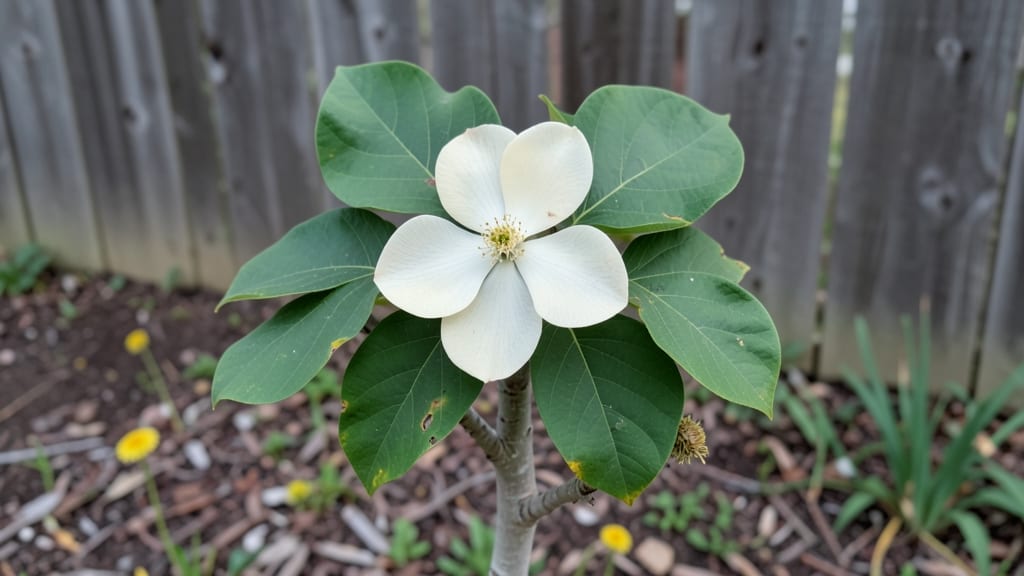
The flowering dogwood flower 🌸 is the star of spring gardens, but keeping its blooms vibrant year after year takes more than just luck.
Picture this: you’ve waited months for those iconic blossoms to appear, only to watch them fade too soon—or worse, never show up at all. The truth? This tree’s beauty depends on year-round care, from the soil it grows in to the pruning you skip (and shouldn’t).
Whether you’re planting a sapling or tending a mature tree in USDA Zone 6a, the right balance of sunlight, water, and seasonal maintenance makes all the difference. Skip the guesswork and learn the exact steps to keep your dogwood thriving—so every spring delivers the showstopper blooms you love.
From choosing the perfect spot to troubleshooting leaf spot and weak growth, this guide covers everything you need to turn your dogwood into a garden centerpiece that steals the show for decades.
Flowering dogwood flower care: seasonal tips for healthy growth
The flowering dogwood flower (Cornus florida) is a garden showstopper, but its stunning blooms depend on year-round care. This deciduous tree thrives with the right balance of soil health, watering consistency, and seasonal pruning.
Whether you're nurturing a young sapling or maintaining a mature specimen, understanding its needs ensures vibrant flowers and strong growth for decades.
Dogwoods are native to eastern North America and prefer moist, well-draining soil with partial shade—though they tolerate some sun. Their delicate blooms appear in early spring, followed by vibrant foliage and red berries that attract wildlife.
To keep your tree thriving, we'll break down season-specific tasks from winter dormancy to summer maintenance.
| Season | Care Task | Key Requirements | Frequency |
|---|---|---|---|
| Winter | Dormancy Care | Mulch base, avoid heavy snow | Once (Dec) |
| Spring | Fertilization | 10-10-10 balanced fertilizer | Early March |
| Spring | Pruning | Remove dead branches, shape | After blooms |
| Summer | Watering | Deep soak weekly | Every 7-10 days |
| Fall | Soil Prep | Add compost, mulch | Early October |
Start with winter prep—mulch the base of your dogwood with 3-4 inches of organic mulch (like shredded bark) to insulate roots. Avoid piling mulch against the trunk to prevent rot. If your region experiences heavy snow, gently brush it off branches to avoid snow mold or broken limbs.
Dogwoods are drought-tolerant once established, but winter moisture helps roots absorb nutrients for spring blooms.
When spring arrives, focus on fertilization to jumpstart growth. Apply a balanced 10-10-10 fertilizer in early March (after the last frost) to encourage root development and flower buds. Avoid heavy nitrogen—it promotes foliage over blooms.
Pair this with light pruning to remove any dead, diseased, or crossing branches. Prune just after flowering to avoid cutting off next year’s blooms.
Summer care centers on watering consistency. Young dogwoods need deep watering every 7-10 days, while mature trees tolerate drought once established. Water in the morning to reduce evaporation and fungal risks. Monitor for leaf spot disease (brown spots on leaves)—this is common in humid summers. If spotted, remove affected leaves and apply fungicide if necessary. Thin the canopy slightly to improve airflow and reduce humidity around foliage.
As fall approaches, shift to soil enrichment. Add a 2-inch layer of compost around the drip line (not the trunk) and top with mulch. This prepares roots for winter and provides nutrients for next year’s blooms.
Avoid heavy fertilization in late fall—it encourages late-season growth that may not harden off before frost. Prune lightly to shape the tree, but avoid heavy cuts that stress the plant before dormancy.
Troubleshooting common issues is key to long-term health. Dogwood anthracnose (a fungal disease) causes leaf spots and wilting. Treat with copper fungicide and improve airflow. Bark splitting in winter? This happens when moisture seeps into cracks—apply wound dressing to protect against pests. If your dogwood isn’t flowering, it may need more sunlight (6+ hours) or less nitrogen-heavy fertilizer.
For long-term success, plant your dogwood in well-draining soil with partial shade (especially in hot climates). Avoid compacted or waterlogged soil—dogwoods hate "wet feet." If your tree is in a windy location, consider staking young saplings to prevent uprooting.
With consistent care, your flowering dogwood will reward you with showstopping blooms for 20-30 years or more.
Remember, the secret to vibrant dogwood flowers lies in balance—not too much sun, not too much water, and seasonal adjustments. By following these tips, your tree will stay healthy, resilient, and bursting with color every spring. 🌸
How to choose the best flowering dogwood varieties for your climate
Selecting the right flowering dogwood flower variety ensures stunning blooms and year-round interest in your landscape. With over 50 cultivars available, I focus on three standout varieties that excel in different climates and settings.
Each offers unique features like extended bloom times, vibrant fall foliage, or winter hardiness—perfect for urban gardens or rural estates alike.
Your climate plays a crucial role in variety selection. For example, 'Cherokee Brave' thrives in USDA Zones 5-9 with its heat tolerance, while 'White Winter Haze' dazzles in Zones 4-8 with its late-season blooms.
Let’s compare these top performers to help you make an informed choice for your garden’s needs.
When planting flowering dogwood flowers in urban settings, prioritize varieties like 'Profusion Pink', which thrives in tight spaces due to its compact growth habit. Its pink bracts create a striking contrast against city backdrops.
For rural landscapes, 'Cherokee Brave' stands out with its bold fall colors and exfoliating bark, adding texture and seasonal interest.
Soil conditions matter too. All dogwoods prefer well-draining, acidic soil with a pH of 4.5-6.0. In urban areas, amend heavy clay soils with compost or peat moss to improve drainage.
Rural gardens often have more natural soil conditions, but avoid waterlogged areas to prevent root rot. Mulch annually with wood chips to retain moisture and suppress weeds.
For extended bloom seasons, consider 'White Winter Haze', which flowers later than most varieties. This makes it ideal for gardens where early spring blooms might be missed due to late frosts.
Its white bracts also provide winter interest, standing out against bare branches. Pair it with 'Cherokee Brave' for a year-round color palette from spring through fall.
Remember, flowering dogwood flowers require partial shade (4-6 hours of sunlight daily) to prevent leaf scorch. In hot climates, provide afternoon shade to protect delicate blooms. With the right variety and care, your dogwood will reward you with vibrant flowers and seasonal beauty for decades.