
Blooming
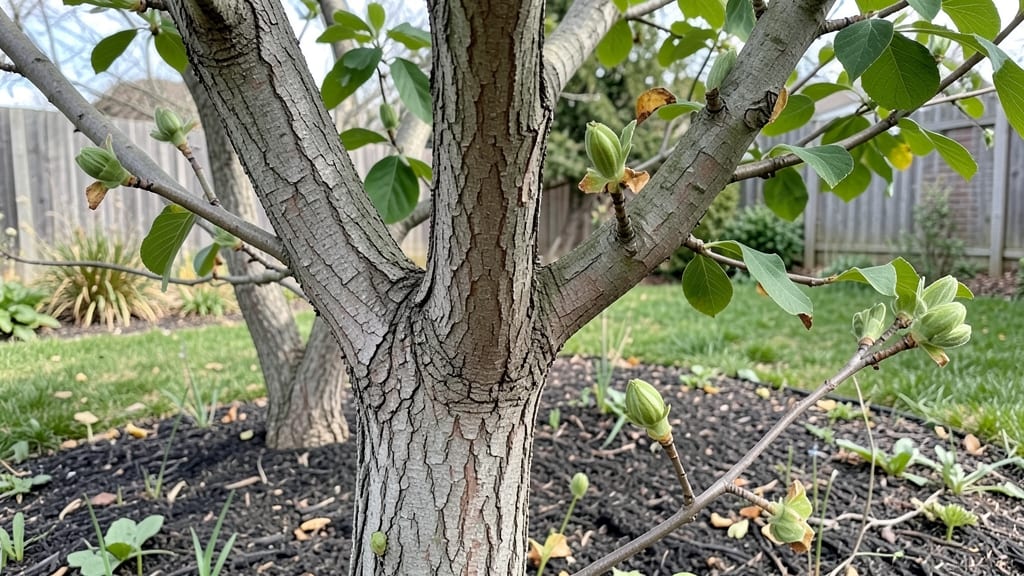
Dogwood trees not flowering after years of reliable blooms? I’ve seen this heartbreaking shift happen when the tree’s basic needs—sunlight, food, and pruning—get out of balance. The good news is that most cases aren’t permanent; it’s usually a fixable imbalance, not a death sentence.
My own dogwood went from blank branches to a spectacular spring display in just two seasons after addressing these core issues.
The biggest culprits are often overlooked: too much shade from new growth, over-fertilizing with nitrogen (which fuels leaves, not flowers), or pruning at the wrong time. Even a single year of neglect can trick the tree into thinking it’s not ready to bloom.
The science is clear—dogwoods need a minimum of 6 hours of direct sun daily and a balanced fertilizer (too much nitrogen is the #1 blooming killer).
You’ll see the first signs of revival within 4-6 weeks of adjustments—new flower buds forming along last year’s wood, followed by vibrant blooms the following spring. The key is patience: dogwoods store energy for blooms, so it might take a full season to rebound.
But once you get it right, these trees reward you with 3-4 weeks of showstopping flowers that outshine any other spring bloomer.
Works for both native dogwoods (Cornus florida) and ornamental varieties like Cornus kousa—just adjust fertilizer ratios based on your soil test. Let’s get those branches blooming again.
Root Causes Behind Missing Blooms
If your dogwood tree is skipping its usual floral display, the issue likely stems from one (or more) of these science-backed factors. Understanding the why is the first step to restoring those iconic spring blooms. Let’s break down the most common culprits—and how they disrupt your tree’s flowering cycle.
🌱 Insufficient Light or Poor Placement
Dogwoods (Cornus florida) are light-demanding trees, thriving in full sun to partial shade (6–8 hours of direct sunlight daily). When placed in deep shade—like under tall evergreens or dense tree canopies—their energy focus shifts from blooming to survival. Here’s how it plays out:
- Photosynthesis slowdown: Limited light reduces glucose production, starving the tree of the energy needed to form flower buds the previous summer.
- Weakened root growth: Shady spots often mean cooler soil temperatures, slowing root expansion and nutrient uptake—critical for bud development.
- Competition from neighbors: Nearby trees or structures can block sunlight, creating a "shadow effect" that suppresses flowering.
Pro Tip: 💡 If your dogwood is in shade, consider selective pruning of overhanging branches or transplanting it to a sunnier location (best done in early spring or fall).
💧 Water Stress or Irregular Moisture
Dogwoods have moderate water needs, but extremes—whether drought or soggy soil—can halt flower production. Here’s how moisture mismanagement derails blooms:
- Drought stress: During bud formation (late summer to early fall), insufficient water causes buds to abort or dry out. This is especially critical in container-grown dogwoods, which dry out faster.
- Overwatering or poor drainage: Waterlogged roots suffocate the tree, limiting nutrient absorption. Root rot (often from compacted or clay-heavy soil) diverts energy away from flowering.
- Seasonal fluctuations: Sudden dry spells after a wet spring can shock the tree, causing it to pause bloom development.
Actionable Fix: 🌡️ Aim for 1–1.5 inches of water weekly (deep watering, not frequent light sprinkles). Improve drainage with organic mulch (3–4 inches around the base) and avoid planting in low-lying areas.
🌿 Nutrient Deficiencies or Imbalances
Dogwoods are light feeders, but specific nutrient gaps can silence their blooms. The most critical deficiencies include:
| Nutrient | Symptoms | Impact on Flowers |
|---|---|---|
| 📊 Nitrogen (N) | Yellowing lower leaves (older foliage first), stunted growth | Reduces overall vigor, leading to smaller or fewer flower buds. |
| 🌱 Phosphorus (P) | Purple or dark green leaves, weak stems | Directly fuels flower and fruit development—low P = aborted blooms. |
| 💪 Potassium (K) | Brown leaf edges, weak resistance to stress | Regulates carbohydrate transport to buds; deficiency = poor bloom quality. |
| 🌡️ Micronutrients (Zinc, Boron, Magnesium) | Yellowing between leaf veins, distorted new growth | Essential for enzyme activity in bud formation. |
Solution: ✨ Conduct a soil test (via local extension services) and amend with a balanced fertilizer (10-10-10 or 5-10-10) in early spring. Avoid high-nitrogen lawn fertilizers, which promote foliage over flowers.
❄️ Environmental Stressors: Cold or Heat Extremes
Dogwoods are hardy (Zones 5–9), but temperature swings during critical growth stages can disrupt flowering. Key triggers:
- Late spring frosts: If buds form in late winter/early spring and freeze, they won’t reopen. Dogwoods are not frost-resistant once buds swell.
- Summer heatwaves: Temperatures above 90°F (32°C) for prolonged periods can cause bud drop or prevent new buds from forming.
- Winter desiccation: Young dogwoods (or those in windy, exposed sites) may suffer winter burn, weakening their ability to flower the next season.
Protection Tips: 🌡️
- Cover young trees with burlap during late frosts (once buds appear).
- Provide afternoon shade in hot climates (e.g., Zone 9+) with lightweight shade cloth.
- Mulch heavily in winter to insulate roots and retain moisture.
🐛 Pests or Diseases Sabotaging Buds
Hidden invaders can consume or weaken your dogwood’s flower buds before they even open. Watch for:
- Dogwood Borers: Larvae tunnel into branches, girdling them and preventing nutrient flow to buds. Look for D-shaped exit holes.
- Scale Insects: Sap-sucking pests leave sticky residue (honeydew) and weaken the tree, reducing bloom energy.
- Powdery Mildew: Fungal infections (common in humid summers) cover leaves/buds with white powder, blocking photosynthesis.
- Anthracnose: A fungal disease causing leaf spots and bud blight, often fatal to young trees.
Treatment: 🔥 Prune and destroy infected branches in dormant season. Apply neem oil (for pests) or copper fungicide (for mildew) before bud break.
Each of these factors—light, water, nutrients, climate, and pests—plays a role in whether your dogwood will burst into color next spring. The good news? Most issues are reversible with targeted care.
Start by identifying which culprit fits your tree’s symptoms, then take action now to set the stage for next year’s showstopping blooms.
How to solve it
If your dogwood tree is skipping its floral show, don’t despair—most issues are fixable with the right care. Below, we’ve mapped out practical solutions tailored to the most common causes, along with prevention tips to keep your tree thriving for years.
Think of this as your step-by-step guide to bringing back those stunning spring blooms! 🌸✨
###
🌱 Insufficient Sunlight → Move or Prune Strategically
Dogwoods crave dappled sunlight (4–6 hours of morning sun, partial shade in the afternoon). If they’re tucked under dense trees or in a shady corner, their energy goes into survival instead of blooming.
- 🔥 Relocate (if possible): Transplant young dogwoods to a sunnier spot with afternoon shade. Dig a hole twice as wide as the root ball and amend the soil with compost.
- 🍳 Prune nearby trees: Thin out branches of taller trees (like oaks or pines) to let light filter through. Avoid heavy pruning—just open up the canopy.
- 🌡️ Supplement with grow lights (temporary fix): For container-grown dogwoods, use a full-spectrum LED grow light for 12–14 hours daily during winter if natural light is lacking.
💡 Prevention tip: Plant dogwoods where they’ll get morning sun from the start. Avoid planting under evergreens or in deep shade.
###
💧 Overwatering or Poor Drainage
Dogwoods hate "wet feet." Too much moisture (or soggy soil) stresses roots, diverting energy away from flowers. Yellowing leaves or mushrooms at the base? That’s your clue.
- 👨🍳 Improve drainage:
- Amend heavy clay soil with organic matter: Mix in 3–4 inches of compost or peat moss into the top 12 inches of soil.
- Raise the planting mound: If your yard floods, plant the dogwood on a slightly elevated bed (6–12 inches high) with sand or gravel beneath the root ball.
- ⏰ Water wisely: Water deeply once a week (1–1.5 inches) during dry spells. Use a soil moisture meter to check—water when the top 2 inches are dry.
- 🔪 Fix compacted soil: Aerate the soil around the tree with a garden fork (insert and twist to break up compacted layers).
💡 Prevention tip: Mulch correctly: Apply 2–3 inches of wood chips or pine straw around the base (keep mulch 6 inches away from the trunk). This retains moisture without suffocating roots.
###
🍄 Nutrient Deficiencies
Dogwoods need a balance of nutrients to bloom. Yellow leaves? Brown edges? These could signal a hunger for nitrogen, phosphorus, or micronutrients.
- 📊 Soil test first: Send a soil sample to your local cooperative extension service ($15–$25). They’ll tell you exactly what’s missing.
- 🥗 Fertilize smartly:
- For phosphorus (P) (key for blooms): Use a balanced fertilizer (10-10-10 or 5-10-10) in early spring before new growth starts.
- For iron or magnesium (yellow leaves): Apply chelated iron or Epsom salt (1 tbsp per gallon of water, sprayed on leaves).
- 🍎 Organic boost: Top-dress with compost or well-rotted manure in spring and fall. Avoid synthetic fertilizers high in nitrogen—they promote leafy growth at the expense of flowers.
💡 Prevention tip: Feed dogwoods annually with a slow-release fertilizer in early spring (before buds swell) and late summer (to build next year’s blooms).
###
✂️ Over-Pruning or Stress
Dogwoods bloom on old wood. Heavy pruning in late winter or spring removes next year’s flower buds. Even minor stress (like transplant shock) can delay blooms.
- 🔪 Prune correctly:
- Prune after flowering (late spring to early summer). Remove only dead, diseased, or crossing branches.
- Avoid "rejuvenation pruning" (cutting back hard)—this can take 3–5 years to recover.
- 🌿 Reduce transplant shock: If you recently moved the tree, avoid fertilizing for 6–8 weeks and water deeply 2–3 times per week until established.
- 🎯 Support weak branches: If limbs are breaking under flower weight, stake them lightly with soft ties and bamboo stakes.
💡 Prevention tip: Prune only when necessary. Dogwoods are low-maintenance—focus on removing deadwood, not shaping.
###
🐞 Pests or Disease
Cankers, borers, or fungal diseases (like powdery mildew) sap energy. Look for holes in bark, sawdust-like frass, or blackened stems.
- 🔥 Treat borers:
- Apply systemic insecticide (like Bayer Advanced Tree & Shrub Insect Killer) in early spring before new growth.
- Manually remove borers: Drill into holes, kill larvae with soapy water, then seal with pruning putty.
- 🌡️ Fight fungal issues:
- Spray with neem oil or copper fungicide (follow label rates) if you see powdery mildew or leaf spot.
- Improve air circulation by thinning dense foliage.
- 🔪 Remove damaged wood: Cut out cankers or infected branches with sterilized pruners, then disinfect cuts with 1:10 bleach-water solution.
💡 Prevention tip:
Frequently asked questions
Why does my dogwood tree suddenly stop flowering after years of blooms?
This is often due to disrupted bud formation from environmental stress. Dogwoods develop next year’s blooms in late summer/fall, so drought, extreme heat, or poor soil conditions during that time can abort flower buds. Even over-fertilizing with nitrogen (which promotes leaves) can starve the tree of energy for flowers. Start by checking your watering routine and soil health—these are the top culprits for sudden bloom failures.
Can I revive my dogwood's blooms if it's been non-flowering for multiple years?
Many dogwoods rebound within 1-2 seasons when you address the root causes. Focus on 6+ hours of morning sun, balanced fertilization (avoid high-nitrogen), and consistent moisture. For established trees, deep watering 1-2 times per week during dry periods and a soil test to identify deficiencies are your best first steps. Patience is key—dogwoods store energy for blooms!
How do I know if my dogwood's lack of flowers is due to pests rather than environmental factors?
Look for these telltale signs: D-shaped holes in bark (dogwood borers), sticky residue (scale insects), or white powdery coating (powdery mildew). Unlike environmental issues, pests visibly damage the tree structure. Treat borers with systemic insecticide in early spring and spray neem oil for fungal issues before bud break. Always prune infected branches during dormancy.
Is it safe to prune my dogwood right now if it hasn't flowered yet?
Timing is everything! Never prune dogwoods in late winter/early spring—they bloom on old wood, so cutting now removes next year’s buds. Wait until after flowering (late spring/early summer) to remove only dead/diseased branches. Avoid heavy pruning—focus on light thinning to improve air circulation. This protects your tree’s future bloom potential.
What's the fastest way to encourage new flower buds to form?
The quickest fix is phosphorus-rich fertilization (like bone meal) applied in late summer, when dogwoods prepare for next year’s blooms. Combine this with deep watering during dry periods and mulching to retain moisture. You’ll typically see new buds forming along last year’s branches within 4-6 weeks. For container-grown trees, ensure they get morning sun and avoid overwatering.