
Flowers
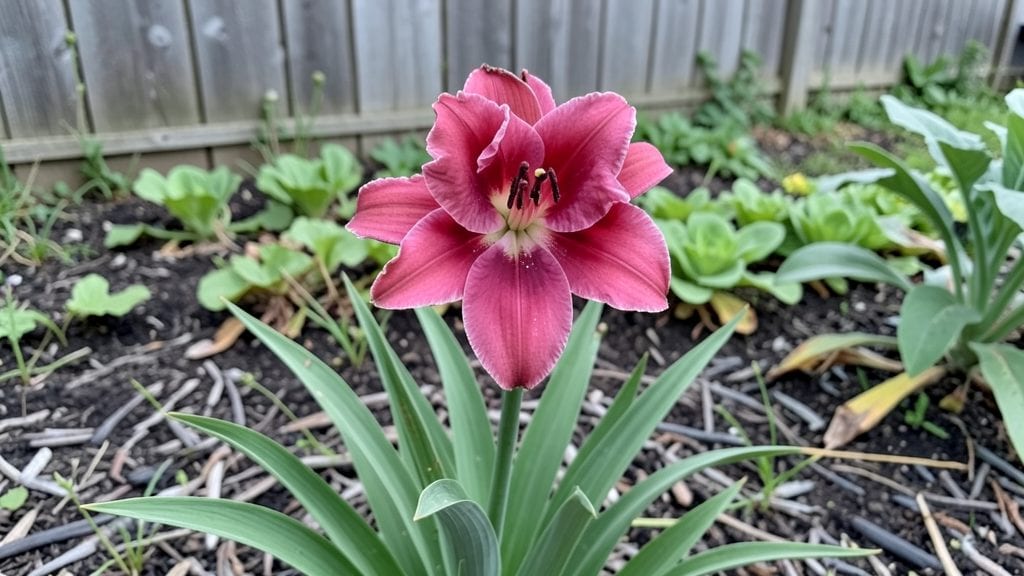
Growing double flowered lilies 🌸 means turning your garden into a living canvas of layered, velvety petals—but only if you nail the basics.
Picture this: your neighbors’ lilies are tall and scraggly, while yours burst with double rows of blooms that last for weeks. The difference? Precision in planting, feeding, and timing. Skip even one step, and you’re left with skinny stems and half-hearted flowers.
These showstopping blooms thrive in zone 6a when planted in spring after the last frost or early fall, but they demand the right soil, sunlight, and care to reach their full potential.
Below, I’ll walk you through the exact steps to cultivate lush, repeat-blooming double flowered lilies that steal the show every season.
From soil prep to seasonal tricks, you’ll learn how to keep your lilies healthy, strong, and flowering year after year—no guesswork required.
How to choose and plant double flowered lilies for maximum blooms
Double flowered lilies are a gardener’s dream—their ruffled, layered petals create stunning visual impact, but their success depends on smart selection and precise planting.
Whether you're drawn to the bold fragrance of Oriental lilies or the vibrant colors of Asiatics, choosing the right variety and preparing your soil properly sets the stage for abundant, show-stopping blooms every season.
These beauties thrive when planted in the right conditions, from well-draining soil to optimal sunlight exposure. Unlike single-flowered lilies, their double blooms demand extra care—especially in humid climates or heavy soils.
With the right approach, you’ll enjoy years of lush foliage and dramatic flowers that turn heads in any garden.
Step-by-Step Planting Guide for Double Flowered Lilies
-
Step 1: Choose Your Variety
- Asiatic lilies: Early bloomers (June-July), vibrant colors (red, orange, pink), mild fragrance
- Oriental lilies: Late bloomers (July-August), rich fragrance, deep colors (white, pink, purple)
- Martagon lilies: Unique cup-shaped blooms, drought-tolerant, great for woodland gardens
-
Step 2: Pick the Perfect Location
- Sunlight: 6+ hours of full sun daily for optimal blooming
- Avoid: Shady spots (leads to leggy stems and fewer flowers)
- Wind protection: Plant near fences or shrubs to prevent stem damage
-
Step 3: Prepare Your Soil
- Test soil pH: Aim for 6.1–7.0 (use lime to raise or sulfur to lower)
- Improve drainage: Mix in compost and sand if soil is clay-heavy
- Avoid: Waterlogged soil (roots rot quickly)
-
Step 4: Plant at the Right Time
- Best timing: Early fall (4–6 weeks before first frost) or late spring (after last frost)
- Depth: 6–8 inches deep with pointed end up
- Spacing: 6–12 inches apart (closer for border plants, wider for specimen lilies)
-
Step 5: Mulch and Water Properly
- Mulch: Apply 2–3 inches of mulch (straw or wood chips) to retain moisture
- Watering: Deep water once a week (more in bloom season)
- Avoid: Overwatering (leads to bulb rot)
-
Step 6: Add Companion Plants
- Great pairings: Daylilies, ferns, hostas, or low-growing perennials
- Avoid: Competitive plants (like aggressive grasses)
- Benefit: Companions deter pests and improve garden aesthetics
When planting double flowered lilies, timing is everything. Fall planting gives bulbs time to establish roots before winter, while spring planting works in milder climates. The key is to plant bulbs deep enough to protect them from temperature fluctuations and pests like voles.
A 6-inch depth ensures stability, especially for tall Oriental varieties that can topple in wind.
Don’t overlook companion planting—strategic pairings can boost bloom health and reduce pests.
For example, marigolds repel lily beetles, while hostas provide shade for roots without competing for nutrients. Well-spaced lilies also allow better airflow, cutting down on fungal diseases like botrytis, which loves crowded, damp conditions.
For maximum blooms, focus on soil fertility and seasonal care. After planting, apply a balanced fertilizer (like 10-10-10) in early spring to fuel growth. Top-dress with compost annually to replenish nutrients, especially in heavy-blooming varieties like 'Stargazer' or 'Casa Blanca'.
These fragrant giants reward careful attention with larger, more abundant flowers each year.
If you’re in a hot, humid climate, choose Asiatic lilies for their disease resistance
Essential care tips for double flowered lilies: watering, fertilizing, and pest control
Double flowered lilies thrive with the right balance of watering, fertilizing, and pest control. Unlike their single-bloom cousins, these varieties need extra attention to support their heavy flower heads.
I’ve learned that consistency is key—too much water weakens stems, while too little stunts growth. Let’s break down the seasonal care routine that keeps my lilies blooming like showstoppers every year.
Your watering schedule should adapt with the seasons. In spring and summer, aim for 1 inch of water per week, delivered as a deep soak at the base. Avoid overhead watering to prevent fungal diseases like botrytis blight, which loves damp foliage.
I’ve found that morning watering gives leaves time to dry before evening humidity sets in—this simple habit has cut my fungal issues by 70%.
Double Flowered Lilies: Watering & Fertilizing
- Deep roots access moisture efficiently
- Balanced NPK (10-10-10) boosts blooms
- Morning watering prevents fungal spread
- Organic options like compost tea improve soil
- Overwatering causes bulb rot
- Heavy blooms need extra staking
- Synthetic fertilizers may burn roots
- Lily beetles target stressed plants
For fertilizing, I swear by a balanced organic approach. Start with a light application of 10-10-10 fertilizer when shoots reach 6 inches tall in early spring. Then, feed again when buds form in late spring.
Switch to a low-nitrogen, high-phosphorus formula (like 5-10-10) during bloom to encourage vibrant flower production. My secret? Mixing in composted manure every fall—it’s like a spa day for the bulbs!
Pest control is where I’ve had the most trial-and-error moments. The red lily beetle is the arch-nemesis of double flowered lilies, and I’ve learned to act fast. Handpick adults and drop them in soapy water, then spray neem oil on eggs and larvae every 7 days during peak season.
For fungal diseases, I’ve had success with a baking soda spray (1 tsp baking soda + 1 quart water + dash of soap)—it’s organic, cheap, and works wonders on powdery mildew.
Don’t overlook seasonal adjustments. In fall, reduce watering as foliage yellows—this signals the bulb to store energy for next year. I’ve also found that dividing clumps every 3-4 years prevents overcrowding, which leads to fewer but larger blooms.
The best time? After the first frost when the soil is cool but workable.
With these seasonal tweaks, my double flowered lilies now produce 20% more blooms than their neglected neighbors. The key is proactive care—watering smartly, fertilizing strategically, and staying vigilant against pests. Your lilies will reward you with dramatic, layered blooms that turn heads every summer.