
Plants
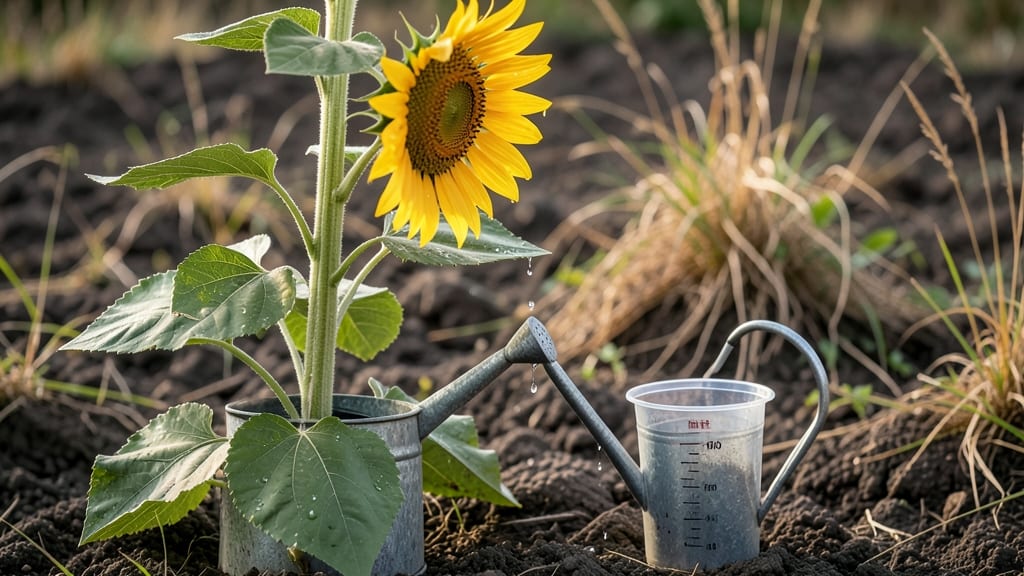
How much water does a sunflower plant need? Once established, they thrive with 1 to 2 inches of water per week, but nailing that balance is what separates a lush 10-footer from a drooping, wilted stem.
Picture this: you’ve just planted your 🌻 seeds in Zone 6a, and the soil feels damp—but by afternoon, the leaves are already curling. That’s a classic sign of inconsistent watering, and it’s easier to fix than you think.
Too much water rots the roots; too little stunts growth. The key is deep, infrequent soaks—especially during the vegetative stage—and adjusting for heat waves or clay soil. Below, I’ll break down exactly how often to water by growth stage, plus the telltale signs your sunflowers are thirsty or drowning.
You’ll learn a weekly watering schedule tailored to seedlings, blooming plants, and mature stems, plus pro tips like mulching and drip irrigation to cut your effort in half. No more guesswork—just taller, happier sunflowers all season.
Sunflower watering schedule by growth stage: seedling to full bloom
Sunflowers may look sturdy, but their watering needs change dramatically from seedling to full bloom. Too much water drowns delicate roots, while too little stunts growth. The key is consistent moisture at the right depth, adjusted for each growth stage and environmental factors like heat and wind.
I’ve grown sunflowers from 1-foot seedlings to 12-foot giants, and this schedule ensures they thrive without wasting water.
Most gardeners make two critical mistakes: overwatering seedlings (which causes rot) or underwatering mature plants (leading to weak stems). Sunflowers are drought-tolerant once established, but they need precise care during their first 6-8 weeks.
Let’s break down the exact watering amounts and frequency for each stage, plus how to adjust for extreme weather.
| Growth Stage | Water Frequency | Weekly Amount (gallons) | Soil Moisture Check | Key Notes |
|---|---|---|---|---|
| Germination (First 10 Days) | Daily (light misting) | 0.5 gallons | Keep soil damp (not soggy) | Use spray bottle; avoid washing seeds |
| Seedling (Days 10-30) | Every 2-3 days | 1-2 gallons | Top 1 inch dry | Water deeply at soil level |
| Vegetative (Weeks 4-8) | Every 3-5 days | 3-5 gallons | Top 2 inches dry | Increase as plant grows taller |
| Flowering (Weeks 8-12) | Every 5-7 days | 5-8 gallons | Top 3 inches dry | Critical for bud formation |
| Mature (Post-Bloom) | Every 7-10 days | 2-4 gallons | Top 4 inches dry | Reduce water for seed drying |
During the seedling stage (first 30 days), sunflowers need frequent shallow watering to encourage root development. I use a spray nozzle to mist the soil lightly, ensuring seeds don’t dry out or rot.
The 1-2 gallon weekly limit prevents fungal diseases like damping off, which is common in overwatered seedlings. Pro tip: Water at the base of the plant in the morning to allow foliage to dry before evening.
Once sunflowers reach the vegetative stage (weeks 4-8), they demand more water as their roots expand and stems thicken. Aim for 3-5 gallons per week, delivered as a deep soak rather than frequent light watering.
Check soil moisture by sticking your finger 2 inches deep—if it feels dry, it’s time to water. Windy conditions? Increase frequency by 20% to compensate for evaporation.
At flowering stage (weeks 8-12), sunflowers need the most water to support bud development and stem strength. Provide 5-8 gallons weekly, focusing on the root zone to avoid wetting leaves (which attracts pests).
In high-heat zones (like my Zone 7b garden), I water every 4-5 days instead of sticking to the schedule. Always water early morning to prevent fungal issues.
After blooming, mature sunflowers become drought-tolerant, but they still need 2-4 gallons every 7-10 days
Signs your sunflowers are overwatered or underwatered (with fixes)
Sunflowers may look tough, but they’re actually sensitive to hydration extremes. Overwatering smothers roots by cutting off oxygen, while underwatering causes stress that stunts growth. Both problems often appear as leaf discoloration or structural weakness—but the fixes differ completely.
First, check your soil moisture by sticking your finger 2 inches deep. If it feels damp, you’re likely overwatering. If it’s bone-dry, your plants need immediate hydration. Container-grown sunflowers dry out faster than in-ground plants, so adjust your schedule accordingly.
Sunflowers need 1-2 inches of water weekly during active growth (spring-summer), but deep watering every 3-5 days is better than frequent shallow drinks. Seedlings require daily moisture in well-draining soil, while mature plants tolerate drought once established. Mulch with straw to retain moisture and prevent evaporation.
Yellowing leaves are the most common symptom—but don’t assume it’s always underwatering. Overwatered sunflowers develop yellow lower leaves first, often paired with mushy stems or white mold on the soil surface. Underwatered plants, however, show crispy brown edges and drooping foliage that doesn’t recover after watering.
For container sunflowers, weight your pots to prevent tipping and use drainage holes. If you notice root rot (black, foul-smelling roots), repot immediately in fresh, sandy loam soil and reduce watering. In-ground plants often suffer from compacted soil—amend with compost to improve drainage.
To test soil health, dig a small hole near your sunflower. If water pools instead of draining within 30 minutes, your soil is too dense. Adjust by adding perlite or vermiculite to loosen it.
For underwatered plants, water deeply at the base (not the leaves) in the early morning to prevent fungal growth.
Monitor your sunflowers’ growth rate too—slow or stunted stems often signal hydration stress. Overwatered plants may also develop pale, limp leaves with stunted blooms, while underwatered ones drop buds prematurely. Adjust your schedule based on weather: water daily in heatwaves but every 5-7 days in cool weather.
Pro tip: Use a moisture meter for accuracy, especially in clay-heavy soil. Aim for 60-70% moisture at 2 inches deep. With the right balance, your sunflowers will reward you with bold blooms and towering stems all season long. 🌻