
Light Requirements
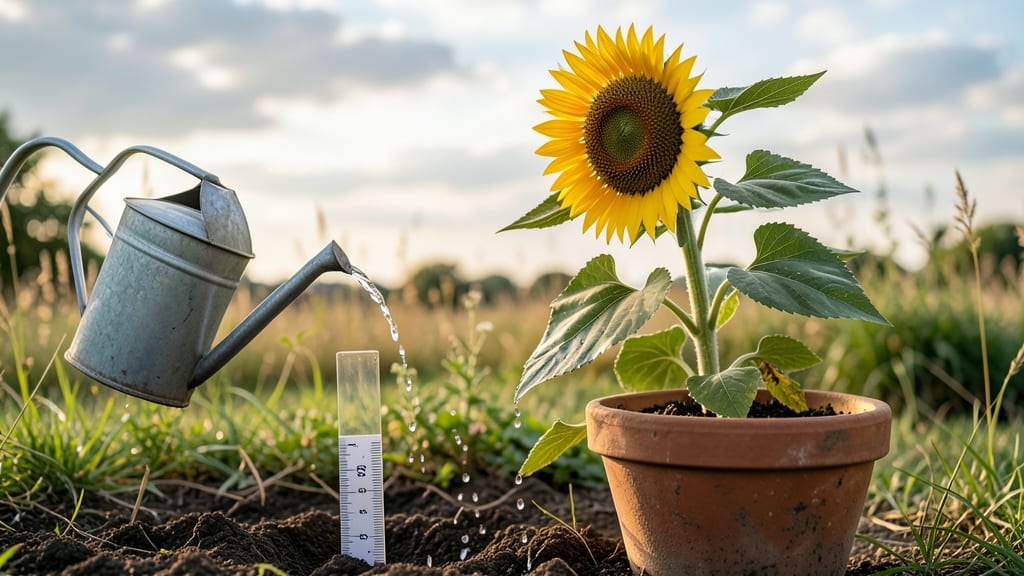
To water sunflowers properly, aim for a deep soak every 3-5 days—enough to moisten the soil 6-8 inches down, but never let them sit in soggy ground.
Picture this: your 🌻 sunflowers wilt midday, not from thirst, but from a shallow sprinkle that never reached their roots. That’s the difference between a 6-foot giant and a sad, stunted plant.
Young seedlings need gentle moisture to avoid rot, while mature plants crave 1-2 gallons per watering—especially in Zone 6a’s hot summer months. Too much? Yellow leaves. Too little? Drooping stems.
Below, I break down the exact schedule by growth stage, plus 5 pro tips to keep your sunflowers thriving without wasting a drop.
Sunflower watering schedule by growth stage: deep soak guidelines
Sunflowers are thirsty giants that need consistent moisture to grow tall and strong. Unlike many plants, they hate soggy roots but also struggle in dry soil. The key is deep, infrequent watering that encourages roots to grow downward.
I’ve broken down their watering needs by growth stage so you can adjust your schedule as your sunflowers mature from tiny sprouts to towering beauties.
Understanding each stage helps prevent common pitfalls like stem rot or wilting. Seedlings need gentle care, while mature plants can handle more water—but only if the soil drains well. Let’s dive into the stage-specific deep-soak guidelines that will keep your sunflowers thriving all season.
During the seedling stage, your sunflowers are most vulnerable to damping off—a fungal disease caused by overwatering. Use a fine mist or drip irrigation to keep the soil evenly moist without saturating it.
I recommend checking soil moisture with your finger: if the top inch feels dry, it’s time to water.
As sunflowers enter the vegetative stage (4-8 weeks), they’ll start growing rapidly. This is when deep soaking becomes critical. Aim to water once every 3-5 days, delivering 1-2 gallons per plant to encourage deep root growth.
Avoid shallow watering, which can lead to weak stems and top-heavy plants that flop over in wind.
The flowering stage (9-12 weeks) is when your sunflowers need the most water—up to 3 gallons per plant during hot, dry spells. Focus on keeping the soil consistently moist but never waterlogged.
I’ve found that morning watering reduces evaporation and fungal risks, giving your plants a strong start to the day.
Once your sunflowers reach the seed production stage, you can reduce watering frequency slightly. The goal shifts from supporting rapid growth to helping seeds mature.
Water deeply every 7-10 days, ensuring the soil stays moist but not soggy. Overwatering now can cause premature seed rot or attract pests like slugs.
Adjust your watering schedule based on weather and soil type. In sandy soil, sunflowers may need water more frequently, while clay soil holds moisture longer. Always check the soil 2-3 inches down before watering—if it’s dry, it’s time to hydrate.
Mulching with straw or wood chips can help retain moisture and reduce evaporation.
Watch for signs of stress like yellowing leaves (overwatering) or drooping stems (underwatering). If leaves feel crispy, increase watering; if they’re mushy, cut back. I’ve learned that consistency is key—sunflowers prefer steady moisture over sporadic deep soaks, especially during their critical growth phases.
For container-grown sunflowers, increase watering frequency to every 2-3 days since pots dry out faster. Always water until it runs out the drainage holes, then let excess water drain away. This prevents root suffocation and ensures your sunflowers get the hydration they need without drowning.
By following this stage-specific deep-soak schedule, you’ll grow sunflowers that stand tall, bloom vibrantly, and produce plump, healthy seeds. Remember, the goal is balanced hydration—not too much, not too little.
With the right approach, your sunflowers will reward you with sunshine-filled stems that brighten up your garden all season.
How to tell if your sunflowers are overwatered or underwatered
Sunflowers send clear signals when their hydration needs aren't met. Yellowing leaves or drooping stems often indicate stress, but the causes differ dramatically. Overwatering creates soggy soil and stunted growth, while underwatering leads to crispy edges and stunted blooms.
Learning to read these signs helps you adjust before damage becomes permanent.
Start by examining the soil texture—stick your finger 2 inches deep. If it feels damp but not saturated, your sunflower likely needs water. If it's bone-dry, you've been underwatering. For overwatered plants, the soil may stay clumpy and waterlogged even 24 hours after watering, signaling poor drainage.
⚠️ WARNING: Overwatering vs. Underwatering ⚠️
Underwatered sunflowers have crispy leaf edges and wilted petals that don't recover at night. The soil pulls away from the pot or cracks. Fix it with a deep soak (1-2 gallons) at the base, avoiding wetting leaves to prevent fungal growth.
Check the roots for rot—gently dig around the base. Healthy roots are white or tan, while overwatered roots turn black and slimy. If you spot rot, trim affected areas with sterilized scissors and repot in fresh, well-draining soil.
For underwatered plants, focus on consistent moisture rather than sporadic heavy watering.
Leaves also tell the story: Upper leaves yellowing often means overwatering, while lower leaves browning signals underwatering. Pay attention to the growth rate too—sunflowers should grow 2-3 inches per day. Slower growth or sudden wilting means your watering routine needs adjustment.
Adjust your approach based on the season. In summer heat, sunflowers need daily watering, while spring and fall allow for every 3-5 days. Always water at the base in the morning to prevent fungal diseases like powdery mildew, which thrives in damp foliage.
Use a moisture meter for accuracy, especially in containers where soil dries faster. For in-ground plants, group sunflowers together to create a microclimate that retains moisture longer. With these visual cues and tactile checks, you'll keep your sunflowers hydrated without drowning their roots.