
Shrubs
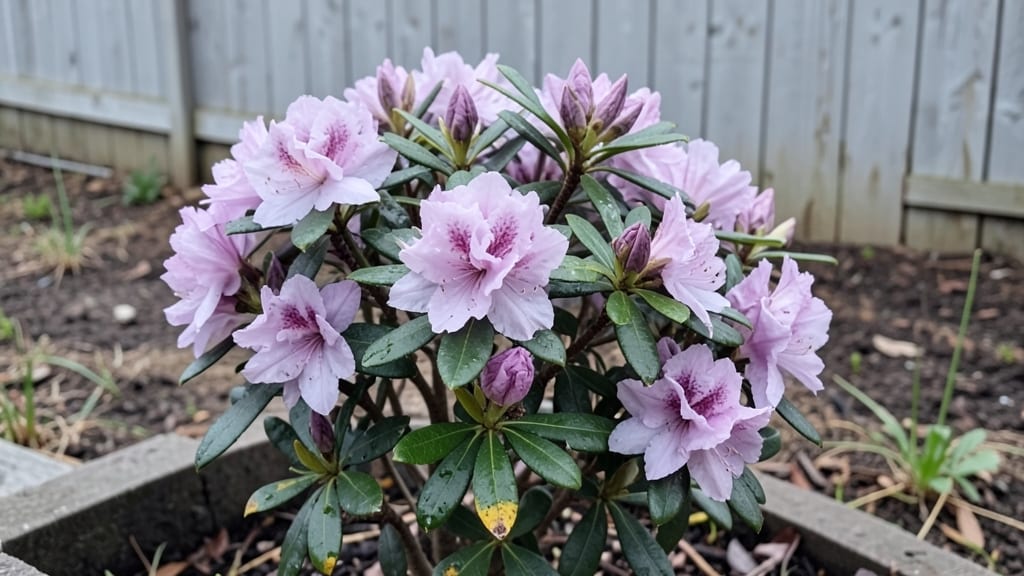
Double flowering azaleas 🌸 deliver twice the blooms of regular varieties, but their lush, repeat-flowering magic depends on one skill: pruning.
Picture this: you’ve waited all winter for those vibrant spring blooms—only to see them fade too soon, or worse, your azalea growing leggy and sparse. That’s what happens when pruning gets overlooked, yet 90% of gardeners admit they skip it entirely.
The secret isn’t just when you prune, but how—and the right moves can turn a single burst of color into a year-round display.
This guide cuts through the guesswork, showing you the exact steps to shape your azalea for bigger, longer-lasting blooms—plus the tools and timing that make all the difference. Whether you’re dealing with overgrown branches or stubborn bud drop, we’ve got the fixes.
Ready to unlock your azalea’s full potential? Let’s dive into the pruning secrets that’ll keep your garden bursting with color, season after season.
When and how to prune double flowering azaleas for maximum blooms
Double flowering azaleas thrive when you prune them at the right time, but the wrong timing can mean fewer blooms next year. Unlike single-flowering varieties, these beauties produce flowers on old wood—meaning last year’s growth holds next season’s buds.
If you prune too late or too aggressively, you risk removing next year’s blooms before they even form. The key? A gentle, strategic approach timed to post-bloom and early spring.
Most gardeners make the mistake of pruning azaleas in fall or winter, which is too late—this cuts off the flower buds that form on old wood. Instead, focus on late spring or early summer after blooms fade but before new growth hardens.
This timing ensures you shape the shrub without sacrificing next year’s double blooms. Let’s dive into the exact steps and tools to keep your azaleas thriving.
Step-by-Step Pruning Guide for Double Flowering Azaleas
-
Step 1: Wait Until After Blooming
Prune 4–6 weeks after flowers fade (typically June–July in most climates). This ensures flower buds for next year remain intact.
-
Step 2: Gather the Right Tools
Use bypass pruners for clean cuts and sterilized shears to prevent disease. A hand saw may be needed for thicker branches.
-
Step 3: Remove Dead or Diseased Wood
Cut out dead branches or those with signs of fungus or pests first. Make cuts at a 45-degree angle just above a healthy bud or leaf node.
-
Step 4: Thin Out Crowded Branches
Selectively remove 10–20% of oldest (thickest) branches to improve airflow. Focus on overlapping or inward-growing stems first.
-
Step 5: Shape Lightly for Balance
Trim new growth sparingly to maintain the shrub’s natural shape. Avoid heavy pruning—double bloomers reward gentle shaping, not drastic cuts.
-
Step 6: Clean Up and Sterilize
Rake up clippings to prevent disease, and wipe tools with rubbing alcohol or a 10% bleach solution before storing.
Timing is everything with double flowering azaleas. If you prune in fall or winter, you’ll sacrifice next year’s blooms because the flower buds form on last year’s wood.
Instead, aim for late spring or early summer, after the current season’s blooms have faded but before new growth becomes woody. This 6-week window (typically June–July) gives you the perfect opportunity to shape your shrub without harming future flowers.
When pruning, always prioritize health over aesthetics. Start by removing dead, diseased, or crossing branches—these compete with healthy growth for nutrients. Use clean cuts at a 45-degree angle just above a leaf node or bud.
This encourages new growth in the right direction and reduces the risk of fungal infections. Avoid cutting into old wood (thicker, darker branches) unless absolutely necessary, as these hold next year’s double blooms.
For young azaleas (under 3 years old), minimal pruning is best—just remove dead wood and lightly shape to encourage a fuller form. Mature shrubs (over 5 years old) can handle slightly more pruning, but never cut back more than 25% of the plant in one season.
Over-pruning stresses the shrub and can lead to fewer blooms or even dieback.
After pruning, your double flowering azalea will need extra care to recover. Water deeply to 1–1.5 gallons per plant to help roots establish, and apply a balanced fertilizer (like 10-10-10) in early spring to support new growth.
Mulch around the base with 2–3 inches of pine bark to retain moisture and keep roots cool. This seasonal maintenance ensures your azalea stays healthy and blooms abundantly year after year.
One common mistake is pruning too late in summer, which can stimulate new growth that won’t harden off before winter. If you must prune later, limit cuts to light shaping only and avoid heavy pruning.
Another pitfall is using dull or dirty tools, which can tear branches and spread disease. Always sterilize your pruners between cuts with rubbing alcohol or a bleach solution to keep your azalea thriving.
For potted double flowering azaleas, pruning principles are the same, but you’ll need to adjust for container constraints. Prune more frequently (every 1–2 years) to prevent root-bound stress, and repot every 2–3 years to refresh the soil.
Use a well-draining, acidic mix (pH 4.5–6.0) and water more frequently since pots dry out faster. With the right care, your potted azalea can bloom just as beautifully as its in-ground counterparts.
Remember, the goal is to encourage lush, continuous blooms while keeping your azalea healthy. By pruning at the right time and using the
Common pruning mistakes that kill double flowering azalea blooms
Double flowering azaleas are stunning, but their vibrant blooms vanish when pruning goes wrong. Many gardeners accidentally stress the plant by cutting at the wrong time or too aggressively.
These common mistakes can turn your azalea into a bare-branched shadow of its former self. Let’s explore what’s harming your plant—and how to fix it.
Your azalea’s flower buds form on old wood (last year’s growth), not new shoots. Cutting back too hard or at the wrong seasonal window sends the plant into survival mode, sacrificing blooms for foliage. Even well-meaning pruning can backfire if you’re not aware of these silent killers of double blooms.
⚠️ 5 Deadly Pruning Mistakes
1. Over-pruning: Trimming more than 1/3 of the plant at once shocks the azalea, forcing it to redirect energy to new growth instead of next year’s buds. This mistake is especially costly for double bloomers, which rely on stored energy for their showy flowers.
2. Wrong season: Pruning in late summer or fall removes current year’s buds, leaving your azalea with no flowers next spring. The ideal time is right after blooming (May–June) or in early spring before buds swell.
3. Cutting old wood: Snipping into last year’s branches where buds form eliminates future blooms. Always prune just above a leaf node on new growth to preserve the plant’s flowering potential.
4. Using dull tools: Jagged cuts damage bark and invite disease. Sharp pruners make clean cuts that heal faster, keeping your azalea healthy and blooming.
5. Ignoring shape: Letting the plant grow too leggy or uneven reduces airflow, leading to fungal issues and fewer blooms. Light, structured pruning keeps the shape open and airy.
If you’ve already made one of these mistakes, don’t panic! Your azalea can recover with patience. Start by avoiding pruning for at least one full season to let the plant regenerate buds. Focus on watering deeply and fertilizing lightly with an acid-loving formula to support recovery.
For next spring, time your pruning to right after blooming. Use clean, sharp shears to trim only dead or crossing branches, never more than 25% of the plant. This gentle approach ensures your double flowering azalea stays lush and bursting with color for years.
Remember, azaleas thrive on consistency. A little careful pruning now means showstopping blooms later—no more bald branches or disappointing seasons! 🌸