
Trees
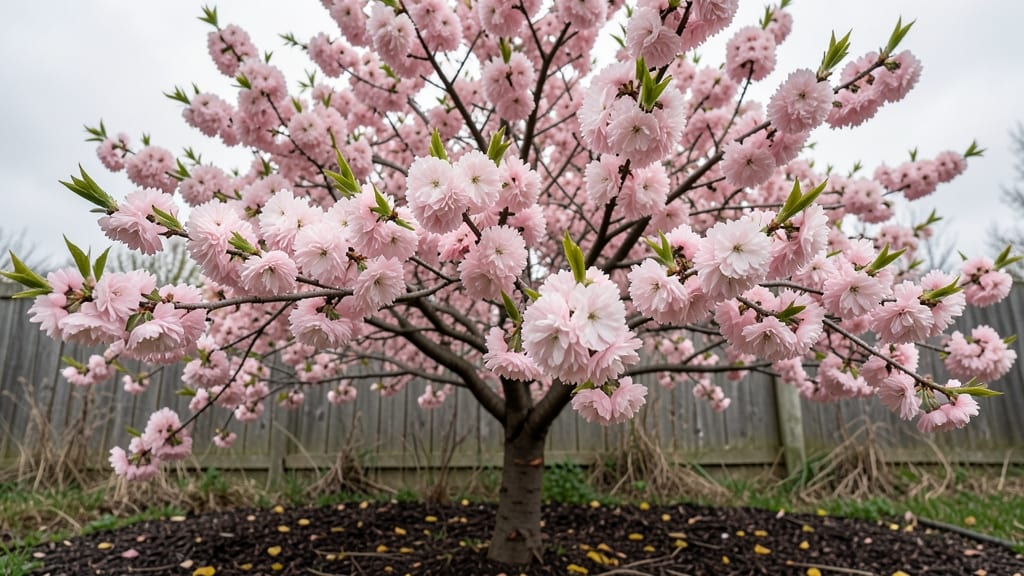
A double flowering peach tree 🍑 combines showstopping blooms with sweet fruit—two reasons gardeners in USDA Zone 6a can’t resist planting one.
Imagine a peach tree that bursts with stunning double blooms and produces juicy fruit—sounds like a gardener’s dream, right? These trees are rare gems, but they demand the right care to thrive.
Whether you're a seasoned grower or a curious beginner, this guide will help you unlock the secrets to cultivating a tree that delivers both beauty and bounty.
From planting in April-May to pruning for maximum blooms, we’ll cover every step to keep your tree healthy and productive. Learn how to avoid common mistakes that can stifle growth and discover the best practices for year-round care.
By the end, you’ll know exactly how to nurture your double flowering peach tree so it becomes the star of your garden—with abundant flowers and delicious fruit to enjoy in July-August.
What makes double flowering peach trees unique and how to identify them
Double flowering peach trees stand out from standard varieties because of their genetic mutation that produces double-layered blossoms instead of single flowers. These trees belong to the Prunus persica family but carry a recessive gene that creates extra petals—often 5-7 layers instead of the usual 1-2 layers.
This trait not only makes them visually stunning but also affects their fruit production patterns and seasonal behavior.
The most striking feature is their prolific, repeat blooming habit. While standard peach trees bloom once in early spring, double flowering varieties may produce secondary blooms in late summer.
This means you’ll see two distinct flowering seasons per year, creating a garden spectacle that lasts months. Their flowers also tend to be larger and more fragrant than single-blooming types.
Identifying a true double flowering peach tree requires checking three key traits: flower structure, bloom timing, and fruit development. Many gardeners confuse them with ornamental peach trees or hybrid varieties, which may have double blooms but lack fruit production.
The key is to verify all three characteristics simultaneously.
| Feature | Double Flowering Peach | Standard Peach Tree |
|---|---|---|
| Flower Layers | 5-7 petal layers | 1-2 petal layers |
| Bloom Seasons | Spring + Late Summer | Spring Only |
| Fruit Production | Moderate (smaller fruit) | High (larger fruit) |
| Flower Size | 2-3 inches wide | 1-2 inches wide |
| Genetic Source | Recessive gene mutation | Standard breeding |
| Identification Tip | Count petal layers and check for two bloom seasons to confirm authenticity. | |
The genetic mutation responsible for double blooms is recessive, meaning it requires both parents to carry the gene for the trait to appear. This makes grafted double flowering peach trees the most reliable option for gardeners.
If you're growing from seed, the chances of producing a true double flowering tree are less than 5%, so grafting is the preferred method for consistency.
One common misidentification occurs when gardeners confuse double flowering peach trees with ornamental peach varieties, which focus solely on showy blooms and produce little to no fruit. To verify authenticity, examine the fruit size and quality.
Double flowering peaches typically yield smaller fruit (about 2-3 inches in diameter) but maintain the classic peach flavor. If the tree produces no fruit at all, it’s likely an ornamental variety.
Seasonal blooming patterns are another key identifier. While standard peach trees bloom once in early spring (March-April), double flowering varieties often produce secondary blooms in August-September. This extended flowering period makes them ideal for landscape gardens where prolonged color is desired.
The late-summer blooms may also produce a second, smaller fruit crop, though these are rarely as large or sweet as the spring harvest.
When purchasing a double flowering peach tree, always ask the nursery for grafting details. Reputable sellers will provide documentation confirming the tree was grafted onto a double flowering scion. Avoid trees labeled as "peach blossom" or "ornamental" if you want both beautiful flowers and edible fruit.
Some hybrid varieties may have double blooms but lack the genetic consistency needed for reliable fruit production.
For gardeners who want to verify seedling authenticity, focus on three visual cues: petal count, bloom timing, and fruit development. If you spot a seedling with 5+ petal layers and observe two distinct bloom periods, it’s a strong candidate for double flowering.
However, always cross-pollinate with a standard peach tree to ensure fruit set, as double flowering varieties may have reduced fertility.
Double flowering peach trees also exhibit unique leaf characteristics compared to standard varieties. Their leaves tend to be slightly darker green and more elongated, though this trait is subtle and not foolproof for identification.
The most reliable method remains examining the flower structure under good lighting conditions, preferably with a hand lens for close inspection.
If you're growing from a grafted double flowering peach tree, expect the first blooms to appear in years 3-5 as the tree matures. Patience is key—young trees focus energy on root and trunk development before producing flowers.
During this time, prioritize proper pruning and balanced fertilization to encourage strong structural growth that will support future blooms.
Step-by-step guide to planting and pruning for maximum blooms and fruit
A double flowering peach tree needs precise care to deliver both its stunning double blooms and delicious fruit. The key lies in soil preparation, strategic planting locations, and seasonal pruning.
Unlike standard peach trees, these varieties rely on careful balance—too much focus on blooms can reduce fruit yield, while aggressive pruning may stunt their ornamental appeal. Let’s break down the exact steps to cultivate a thriving tree that excels in both beauty and productivity.
Start with well-draining soil enriched with compost and a slightly acidic pH (6.0-6.5). Double flowering peach trees thrive in full sun (6+ hours daily), so choose a location with minimal shade competition.
If planting in USDA Zone 6a or warmer, aim for early spring after the last frost—typically April-May. Container growing is possible, but ensure the pot is at least 24 inches deep with drainage holes to prevent root rot.
Planting Your Double Flowering Peach Tree
- 1 Dig a hole twice as wide and 2-3 inches deeper than the root ball. Loosen the sides to encourage root spread.
- 2 Place the tree so the root flare sits 1-2 inches above soil level. Backfill with native soil mixed with compost to improve drainage.
- 3 Water deeply to settle the soil and remove air pockets. Apply 10-20 liters of water, focusing on the root zone.
- 4 Mulch with 2-3 inches of organic mulch (e.g., wood chips) to retain moisture and suppress weeds. Keep mulch 6 inches away from the trunk.
Pruning is where most gardeners trip up with double flowering peach trees.
Unlike fruit-focused varieties, these trees bloom on both old and new wood, so timing and technique matter. Late winter (dormant season) is ideal for structural pruning, while light summer pruning encourages air circulation and reduces disease risk. Always use sterilized pruners to prevent bacterial spread.
To maximize blooms, prioritize open-center shaping—this allows sunlight to reach inner branches where flowers form. Remove dead, crossing, or inward-growing branches first, then thin out 20-30% of the canopy to improve airflow.
Avoid heavy pruning in spring, as this can delay flowering and reduce fruit set. For pollination, plant a second tree 20-30 feet away if your variety isn’t self-pollinating.
Feed your tree with a balanced fertilizer (10-10-10) in early spring and again after harvest. Double flowering peach trees respond well to organic matter, so top-dress with compost annually.
Water deeply once weekly during dry spells, but avoid wetting the foliage to prevent fungal diseases like peach leaf curl. A drip irrigation system is ideal for consistent moisture without overhead spray.
Monitor for pests like aphids or diseases such as brown rot, which can devastate blooms and fruit. Apply neem oil or copper fungicide preventatively in early spring. With the right care, your double flowering peach tree will reward you with showstopping blooms and a bountiful harvest year after year.