
Shrubs
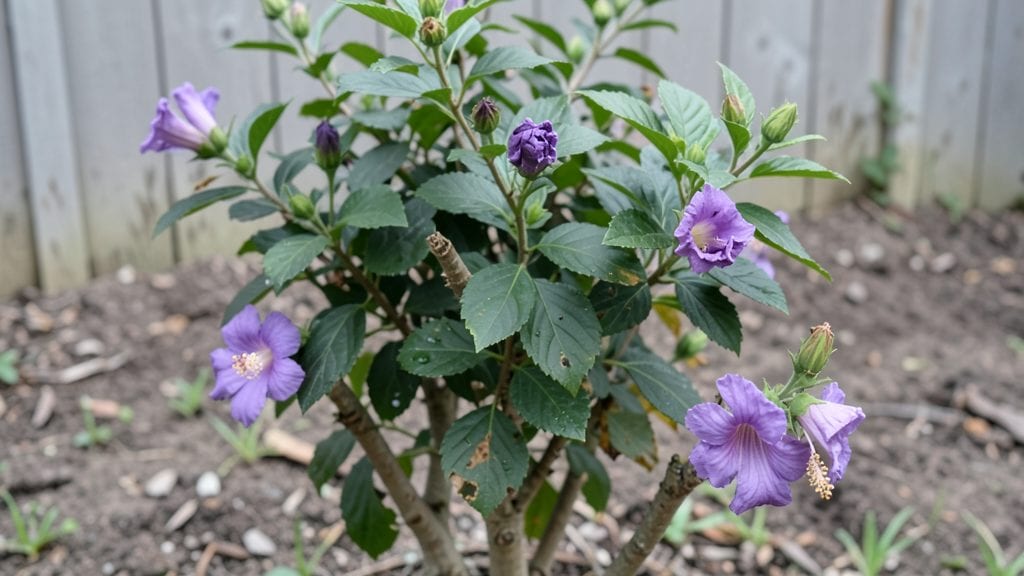
Growing a hibiscus flowering tree 🌺 means turning your garden into a tropical paradise with bold, vibrant blooms that never quit—if you know the secrets.
Imagine a hibiscus flowering tree bursting with vibrant blooms year-round—no winter dormancy, no seasonal gaps. Achieving this lush, continuous display isn’t just possible; it’s a gardener’s dream with the right care techniques.
For USDA Zone 6a growers, timing is everything—planting in April to May sets the stage for a showstopper by summer. But even the best planting window won’t guarantee nonstop blooms without the right soil, sunlight, and feeding schedule.
In this guide, I’ll walk you through every step—from selecting the perfect variety to troubleshooting common issues—so your hibiscus thrives and blooms like clockwork, no matter the season.
How to choose the right hibiscus varieties for continuous blooms
Not all hibiscus flowering trees bloom year-round—it depends on the variety and climate you choose. Tropical hibiscus like Hibiscus rosa-sinensis thrive in warm zones, while hardy hibiscus such as Hibiscus syriacus tolerate cooler temperatures. Selecting the right type ensures nonstop blooms with minimal seasonal breaks.
Your first decision: tropical or hardy? Tropical hibiscus need winter protection (or indoor care), while hardy types handle USDA zones 5-9 without fuss. For continuous blooms, focus on varieties bred for extended flowering cycles, like 'Dwarf Red' or 'Lime Green' tropical types.
🌺
For true year-round blooms, tropical hibiscus like Hibiscus rosa-sinensis are your best bet—but only if you live in USDA zones 9-11 or can overwinter them indoors. These varieties bloom continuously when given consistent warmth and bright light year-round.
If you’re in cooler zones (5-8), opt for Hibiscus syriacus or Hibiscus moscheutos, which enter dormancy but reward you with prolonged summer-fall blooms. The key is pruning strategies—cutting back in late winter encourages new growth and extended flowering.
Sunlight is non-negotiable: all hibiscus varieties demand 6+ hours of full sun daily. Without it, you’ll see fewer blooms and leggy growth. In shadier climates, choose Hibiscus moscheutos, which tolerates part shade better than other types.
Pro tip: Dwarf varieties like 'Lime Green' or 'Dwarf Red' are perfect for containers or small gardens. They bloom abundantly and stay compact, making them ideal for balconies or patios where space is limited.
For color variety, mix Hibiscus rosa-sinensis (red, pink, yellow) with Hibiscus syriacus (white, purple). The contrast creates a stunning visual impact while extending your bloom season from spring through fall.
🌿
Year-round pruning and fertilizing secrets for nonstop hibiscus flowers
Your hibiscus flowering tree can keep blooming like a tropical paradise all year with the right pruning schedule and nutrient strategy. The secret lies in understanding when to cut back for fresh growth and how to feed your plant without overloading it.
I’ve learned that seasonal adjustments make all the difference between sporadic blooms and a nonstop floral display.
Start by mastering the pruning calendar. Unlike many plants, hibiscus responds best to light pruning year-round, with heavier cuts timed to stimulate new growth. Pair this with organic fertilizers like fish emulsion and compost tea to avoid nutrient imbalances that cause leaf drop.
I’ll walk you through the exact steps to keep your hibiscus thriving, even in cooler months.
⚠️ Common Mistake Alert: Over-Pruning Kills Blooms
Cutting back too aggressively—especially in late summer or fall—stops your hibiscus from setting next year’s buds. Never remove more than 1/3 of the plant in a single session, and avoid heavy pruning after mid-summer. This plant relies on current season’s growth for flowers, so prune strategically to maintain the balance between structure and blooms.
Let’s begin with spring pruning, the foundation for summer blooms. After the last frost, trim back any dead or weak branches to about 6 inches above a leaf node. This encourages new growth that will produce flowers in 3-4 months.
Use clean, sharp pruners to avoid damaging the stems, which can invite disease. I always make my cuts at a 45-degree angle just above a leaf node to promote faster healing.
For organic fertilization, I swear by a fish emulsion applied every 4-6 weeks during the growing season. Mix 1 tablespoon per gallon of water and apply directly to the soil. Hibiscus also loves compost tea, which provides a gentle boost of micronutrients like magnesium and iron.
These elements prevent yellowing leaves and keep the foliage vibrant. I’ve seen dramatic improvements in bloom quantity after switching to organic fertilizers.
Don’t forget about micronutrient boosts—especially if your hibiscus develops yellow leaves between veins, a classic sign of magnesium deficiency. A foliar spray of Epsom salt solution (1 tablespoon per gallon) every 2 weeks in summer works wonders.
For iron deficiency (yellowing new growth), use a chelated iron supplement applied to the soil. These small adjustments can turn a struggling hibiscus into a blooming powerhouse.
In fall and winter, shift to a lighter feeding schedule. Reduce fertilizers to every 8-12 weeks and focus on root health with compost mulch. Avoid heavy pruning during this time unless removing dead or diseased branches.
Even in cooler months, a light trim to shape the plant can encourage early spring blooms.
Remember, consistency is key. Stick to your pruning calendar, monitor leaf color for nutrient deficiencies, and adjust your fertilizer routine based on seasonal needs. With these year-round secrets, your hibiscus flowering tree will reward you with vibrant blooms that seem to last forever. Happy gardening!